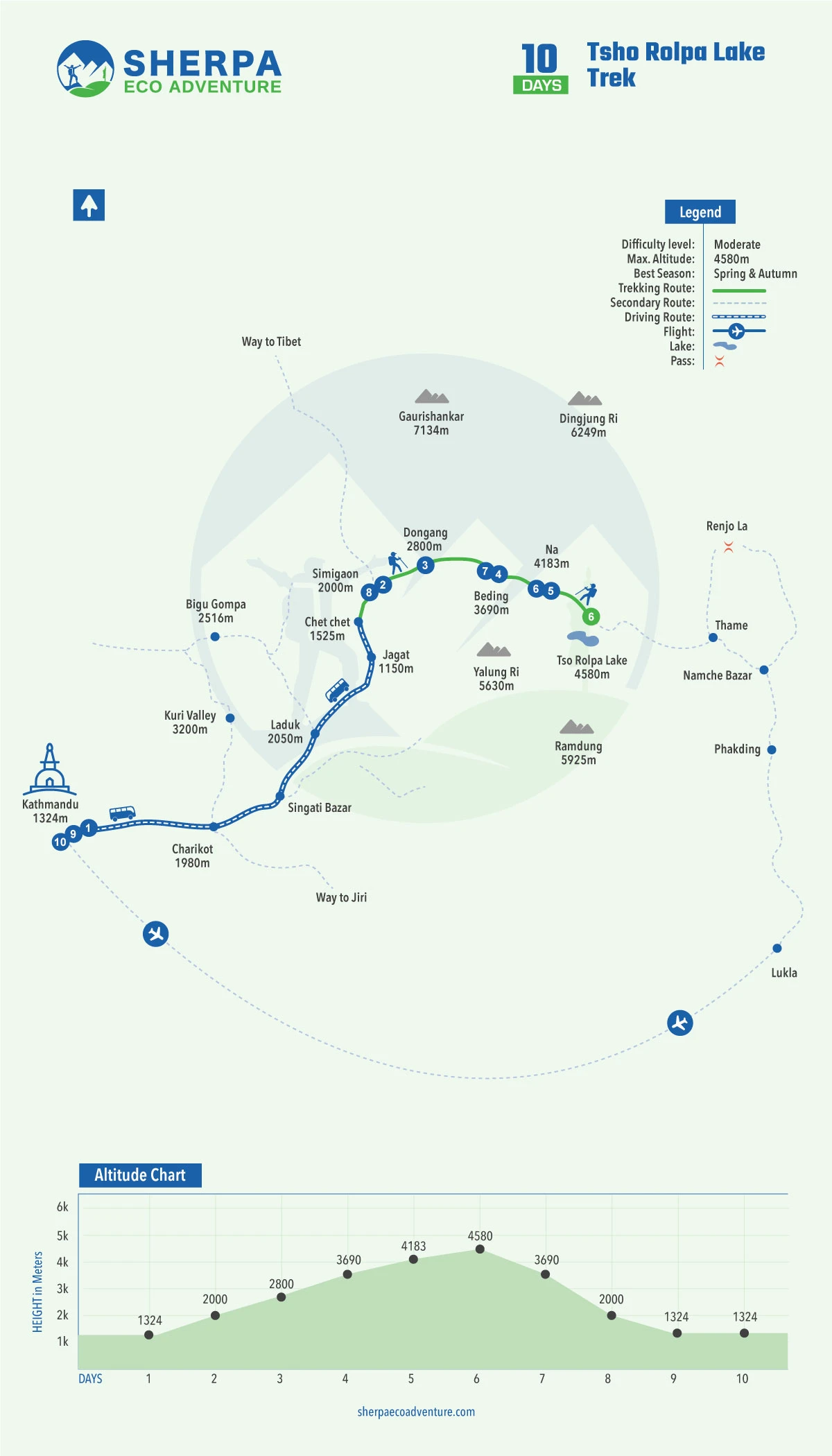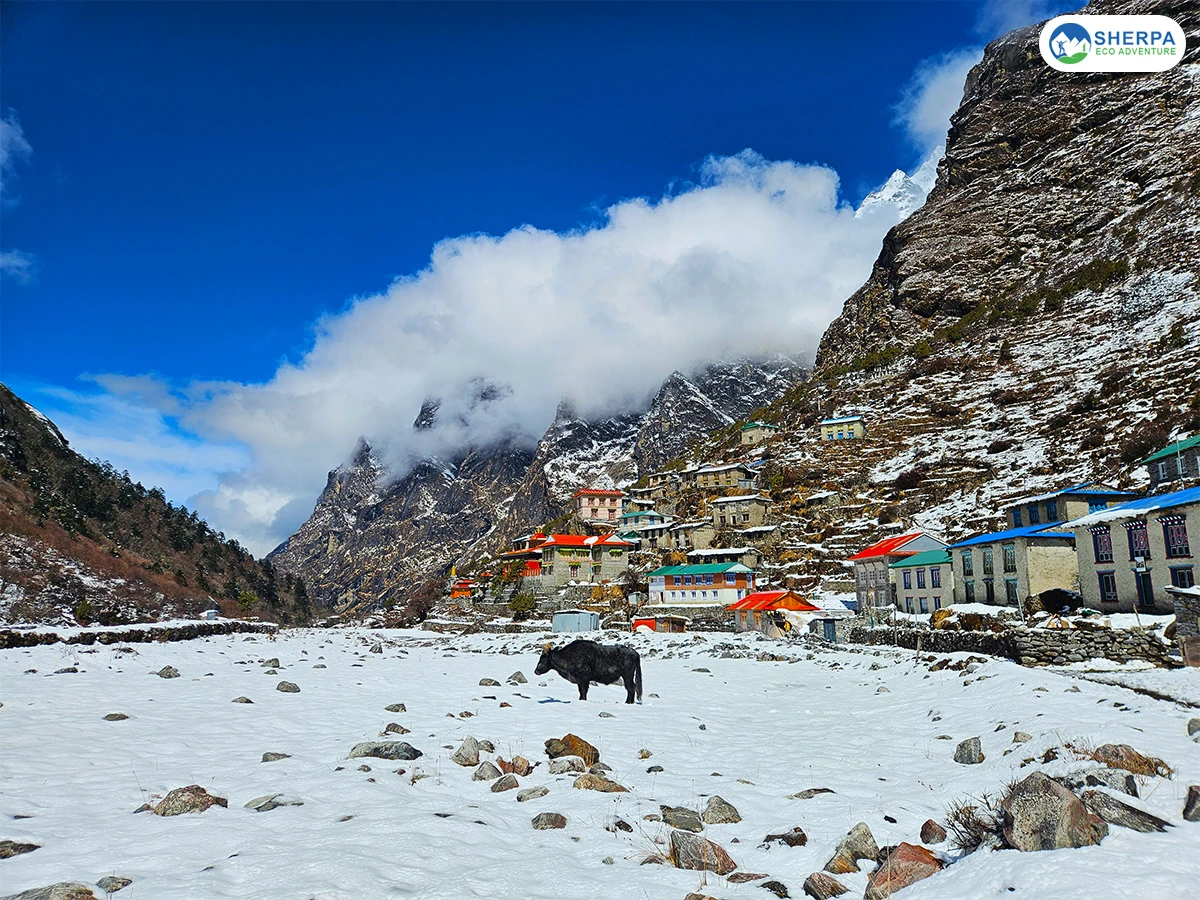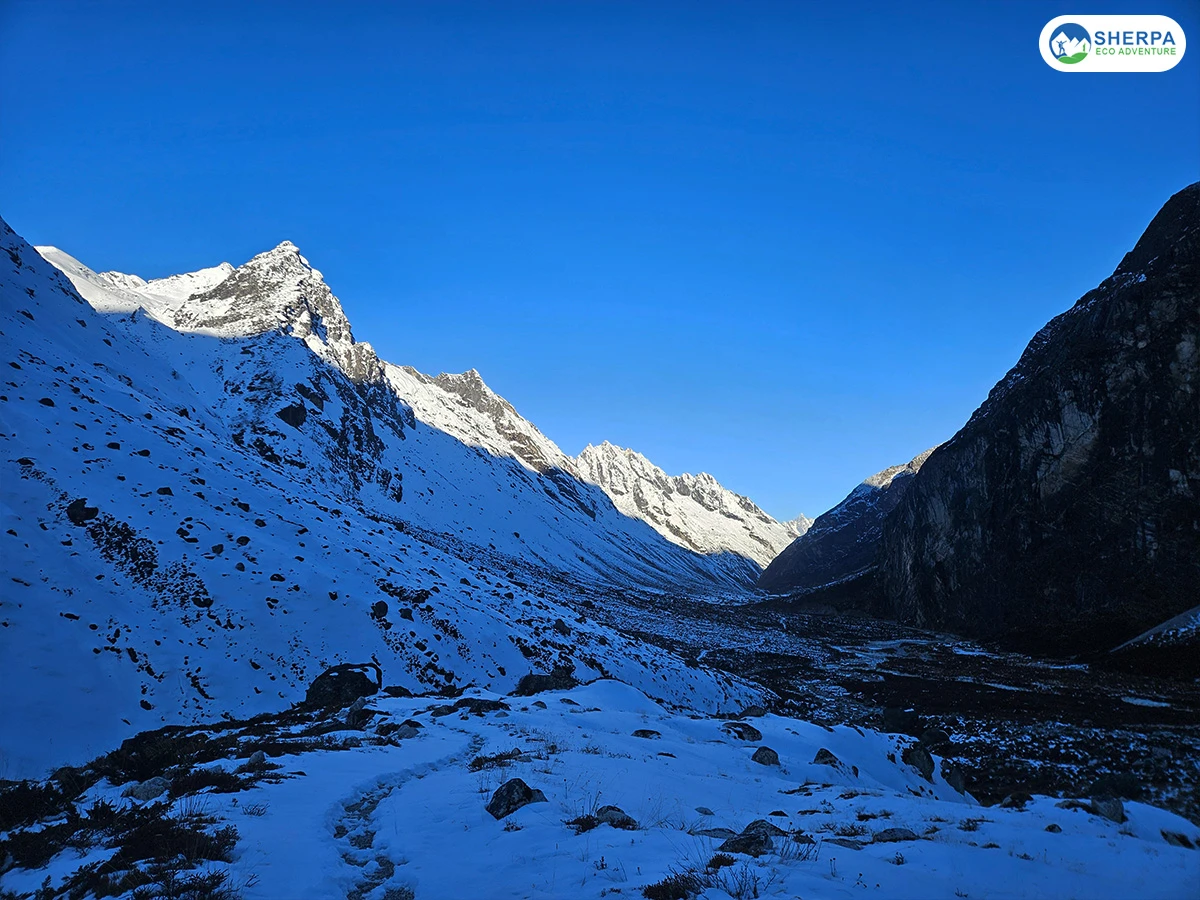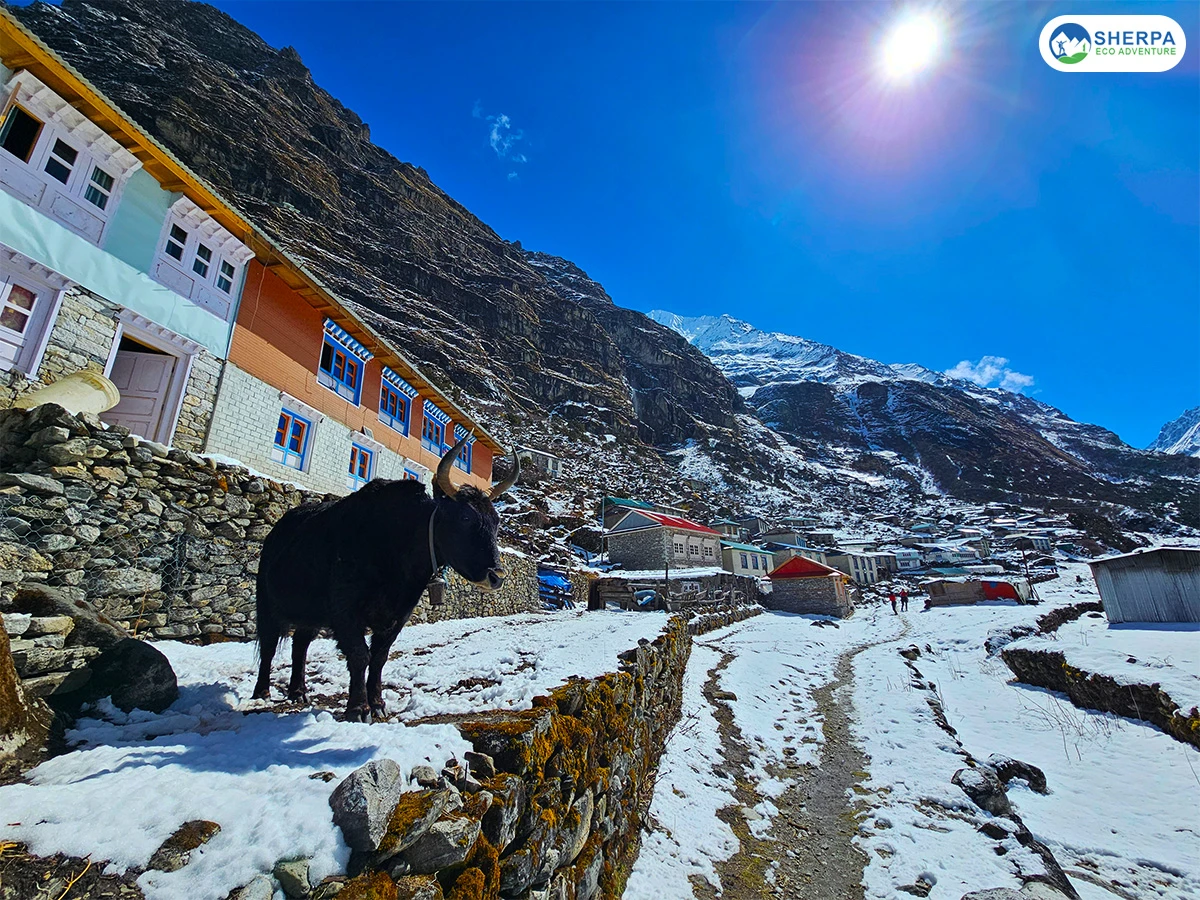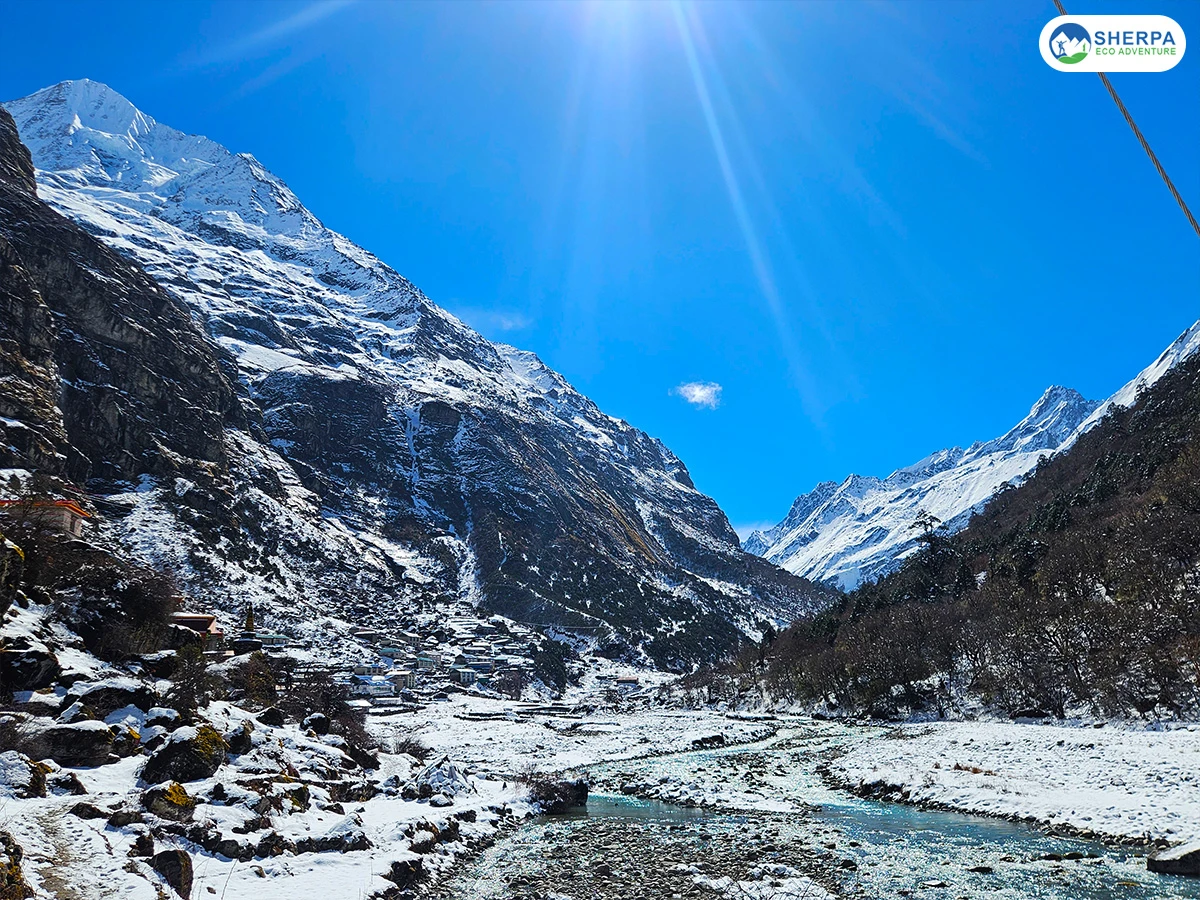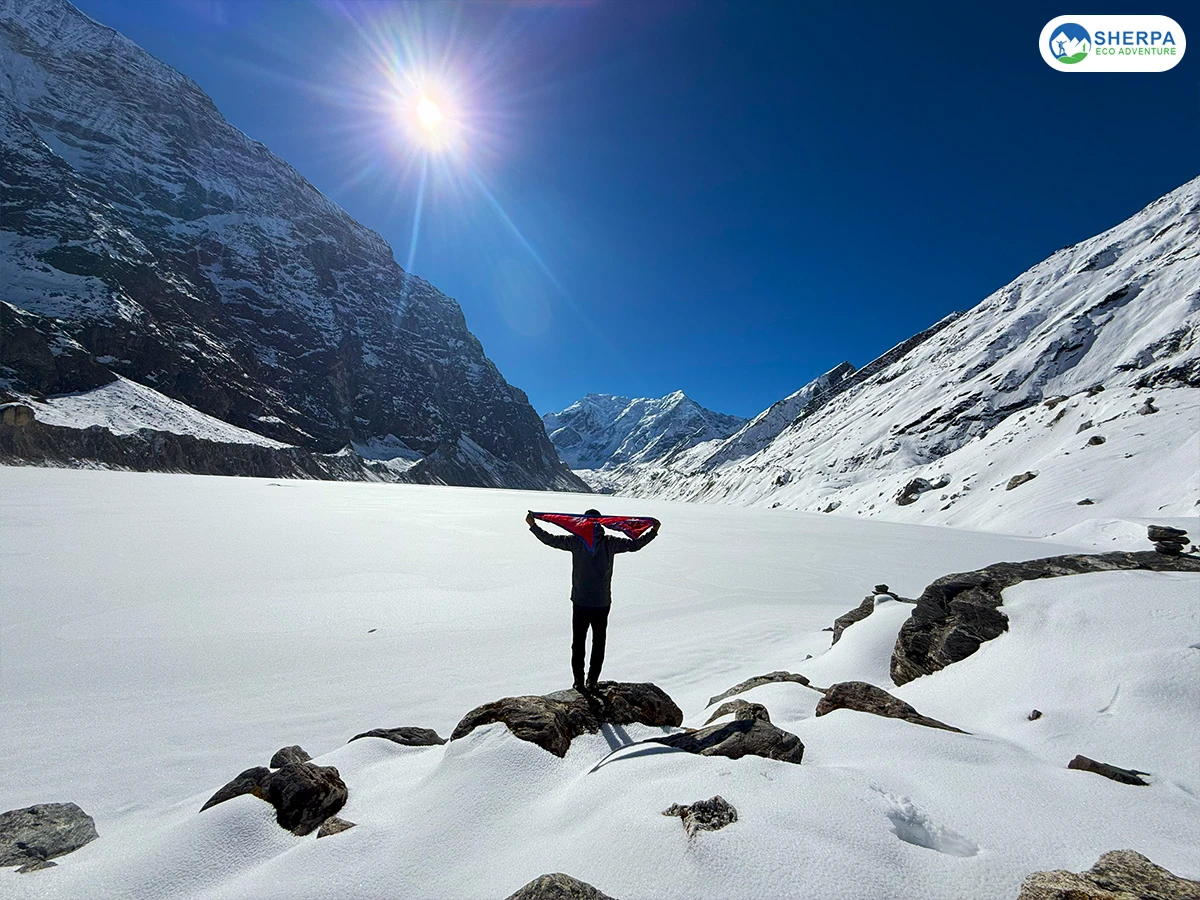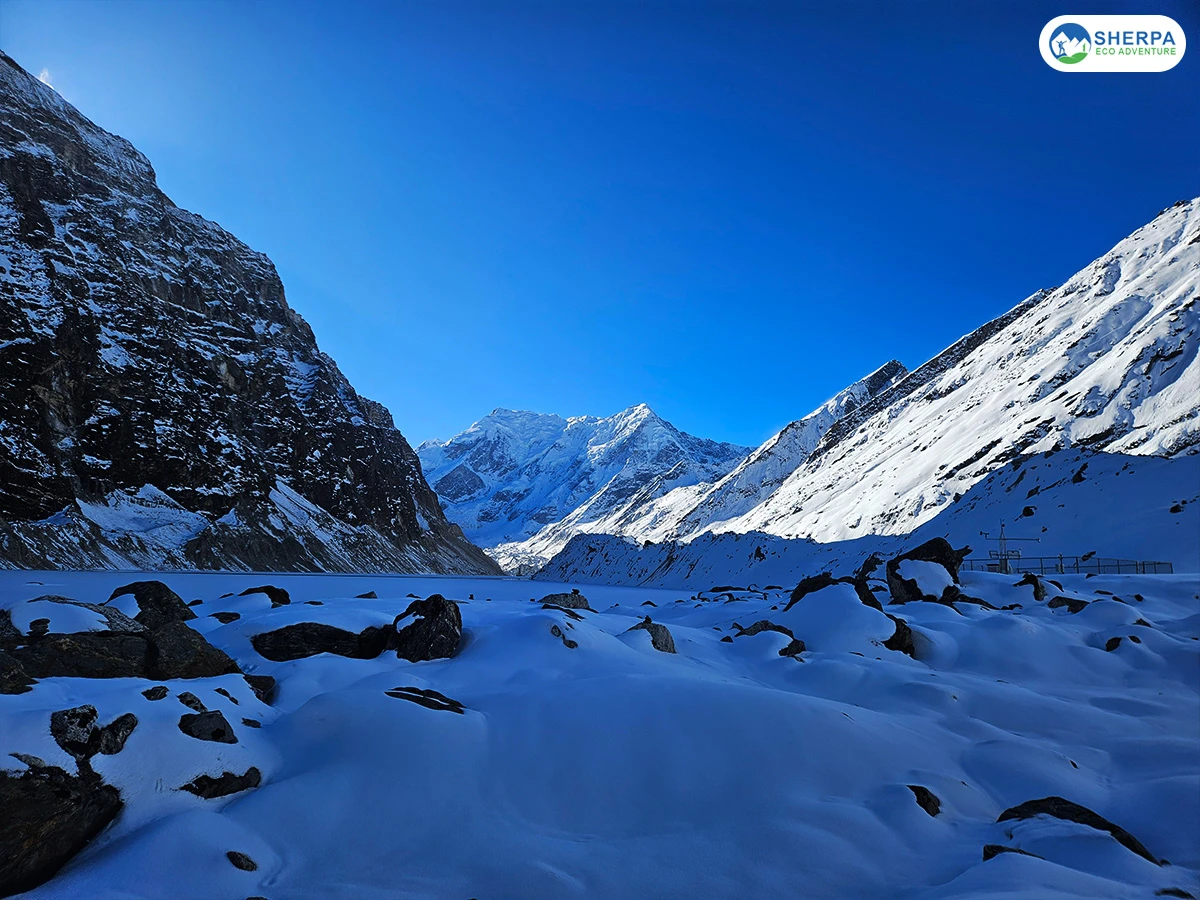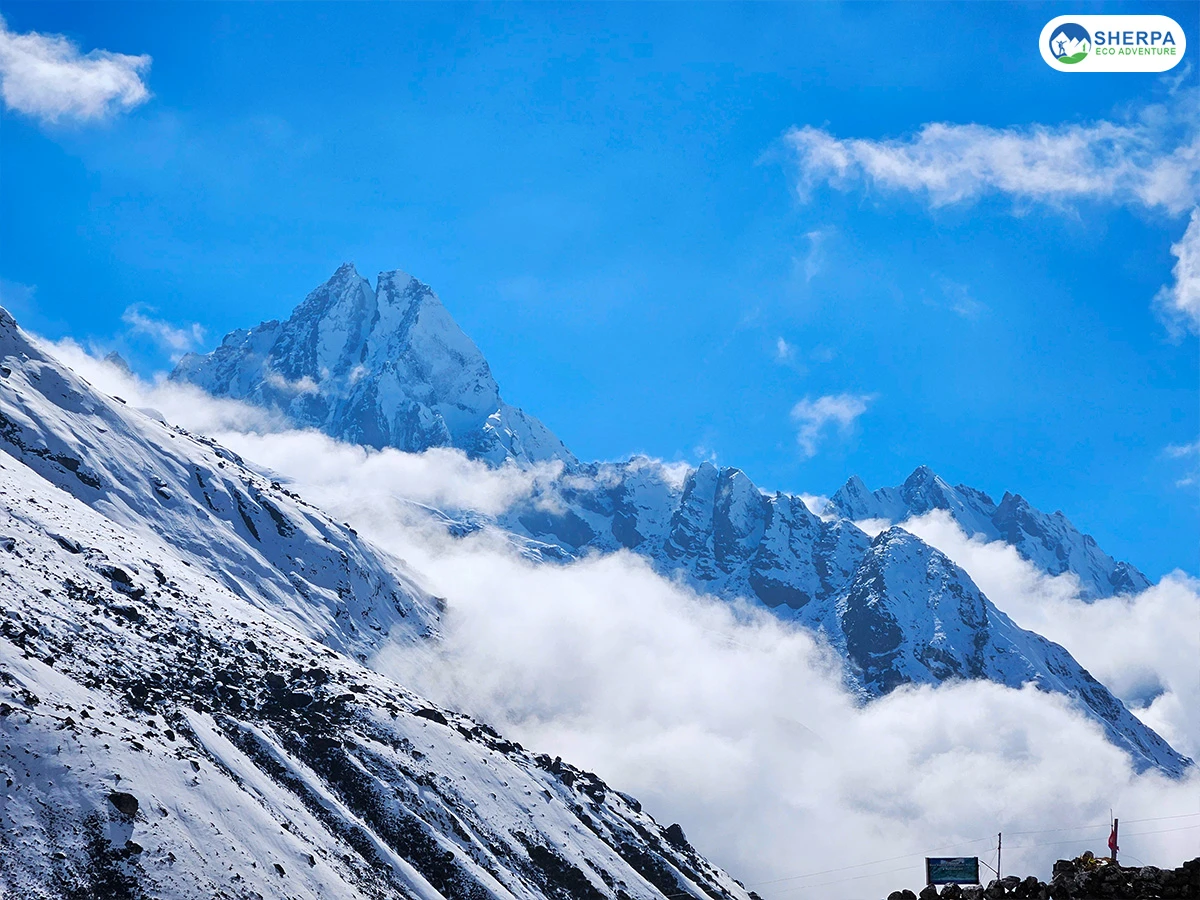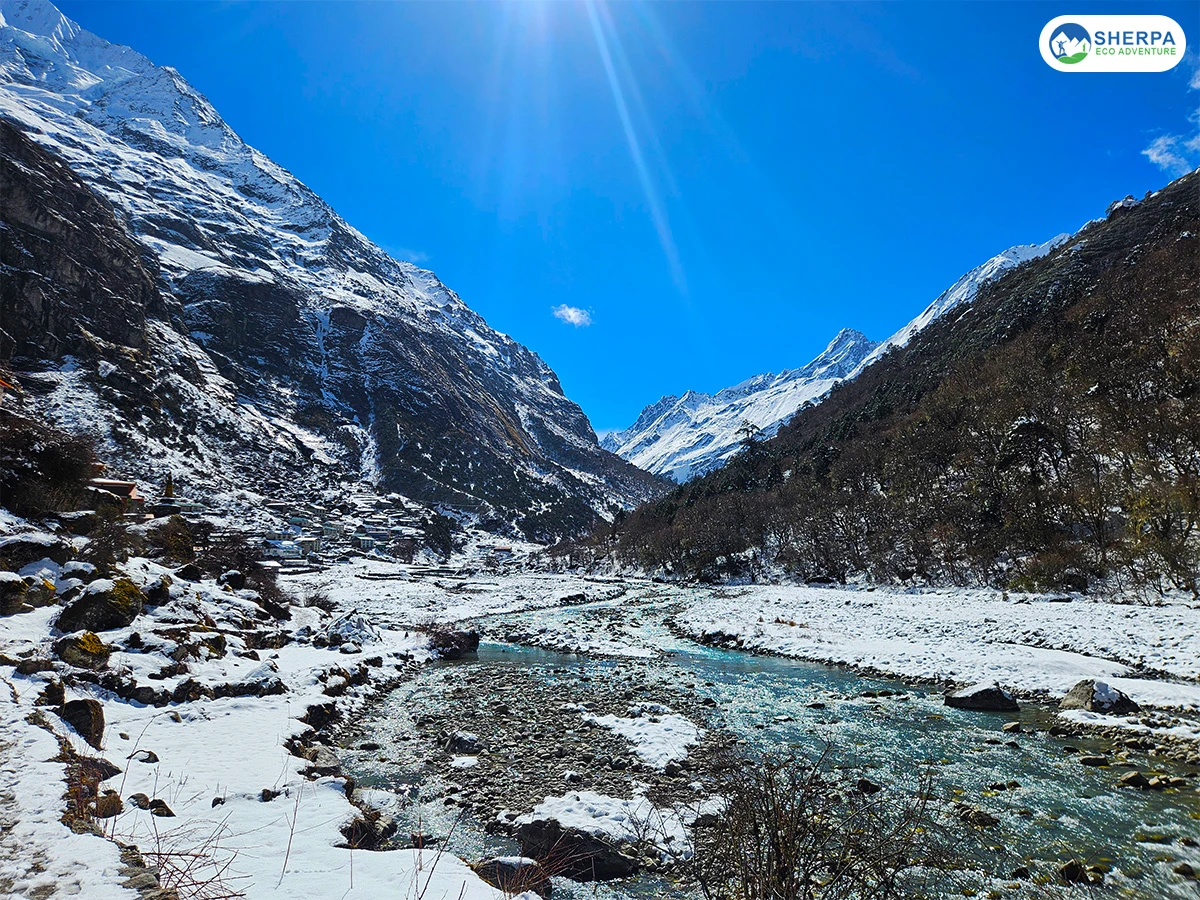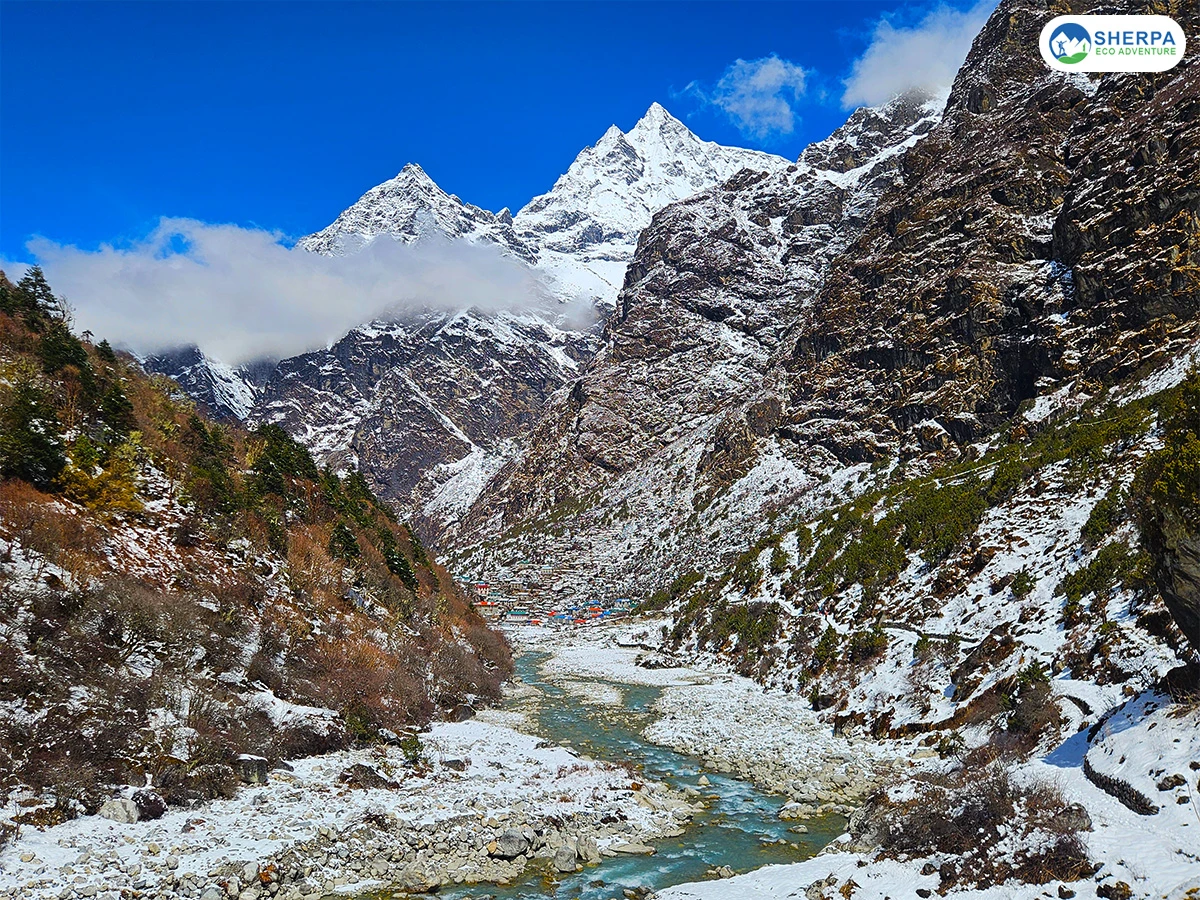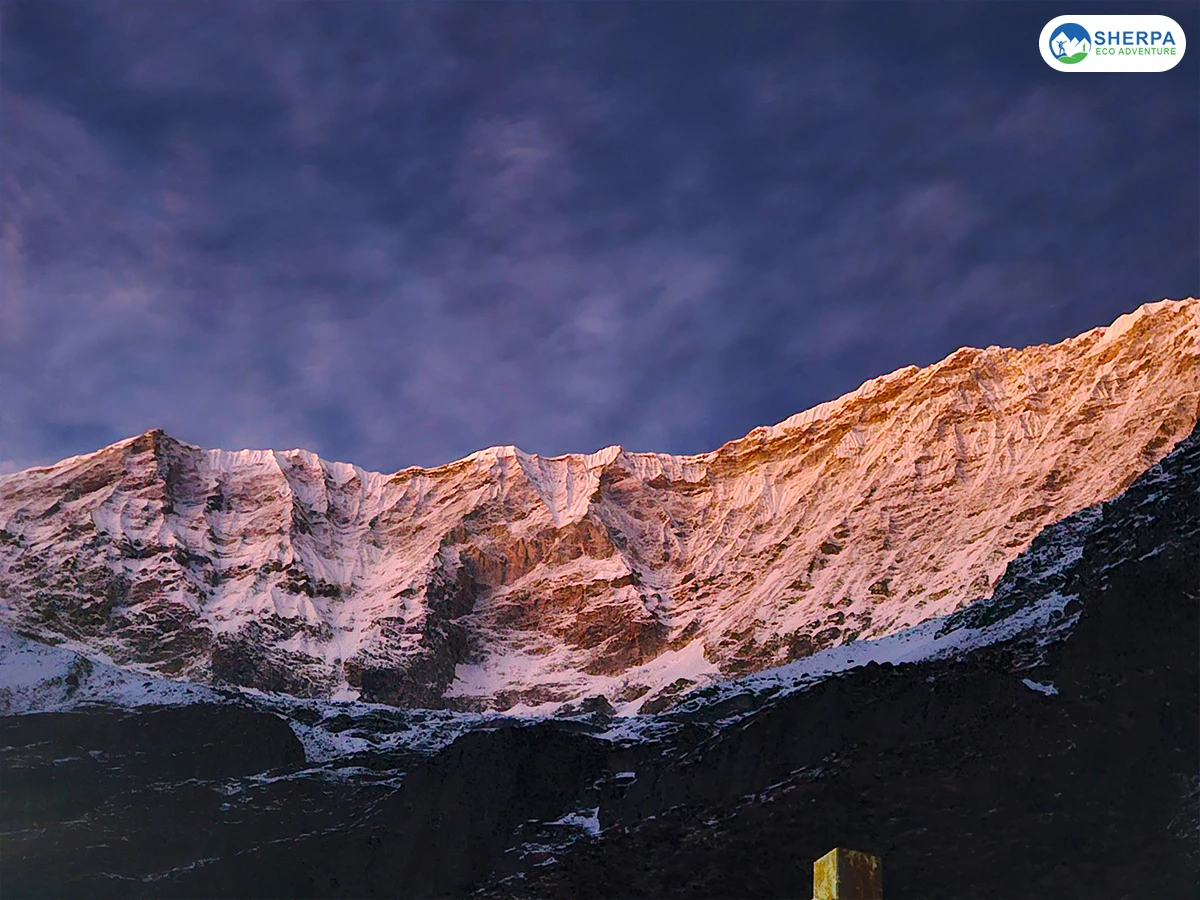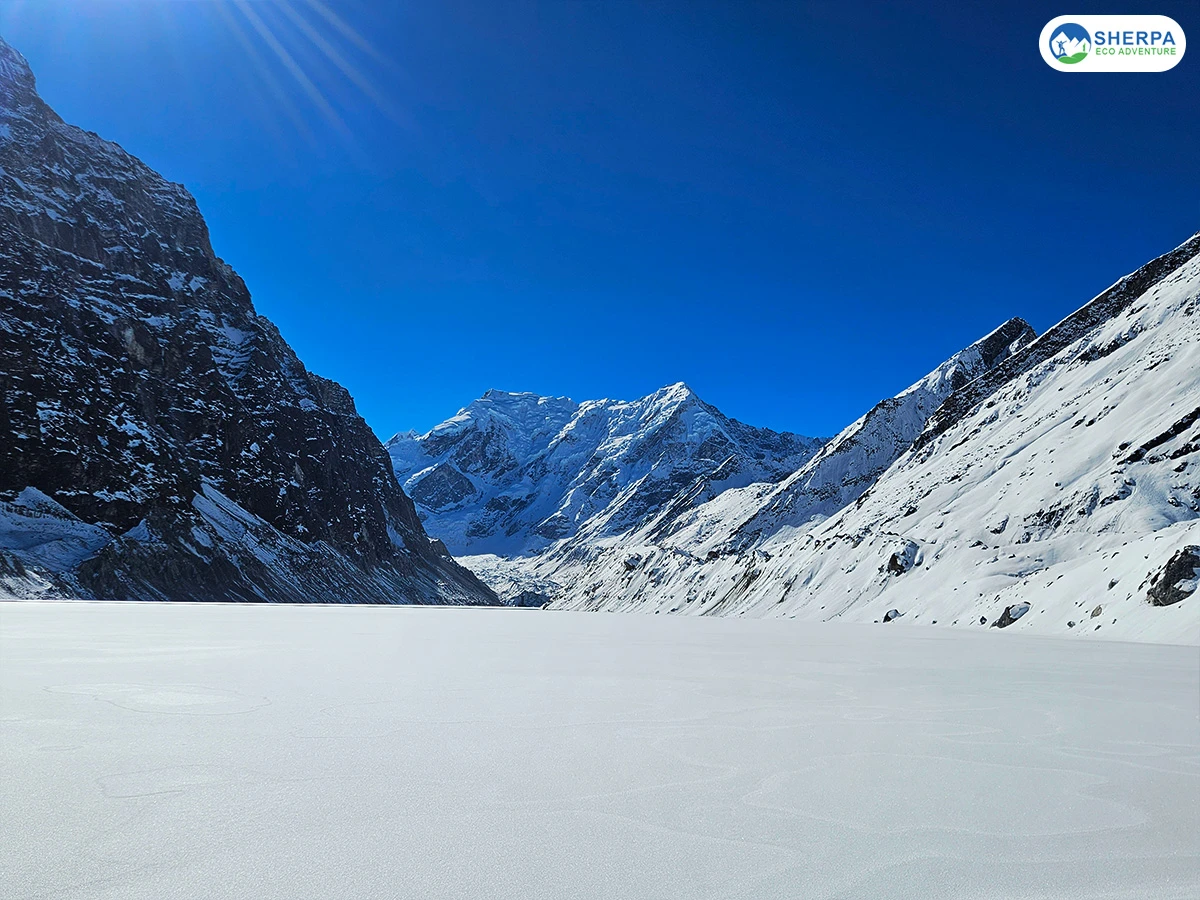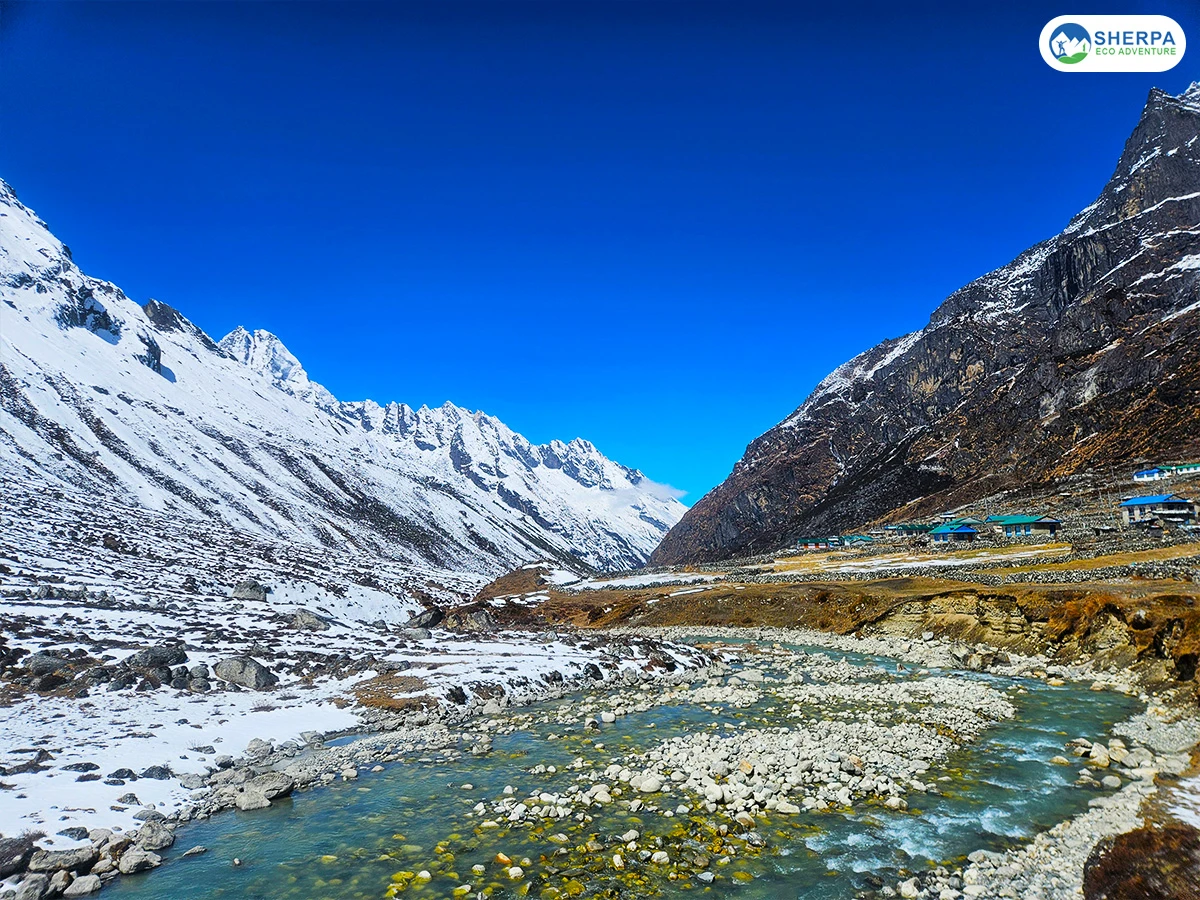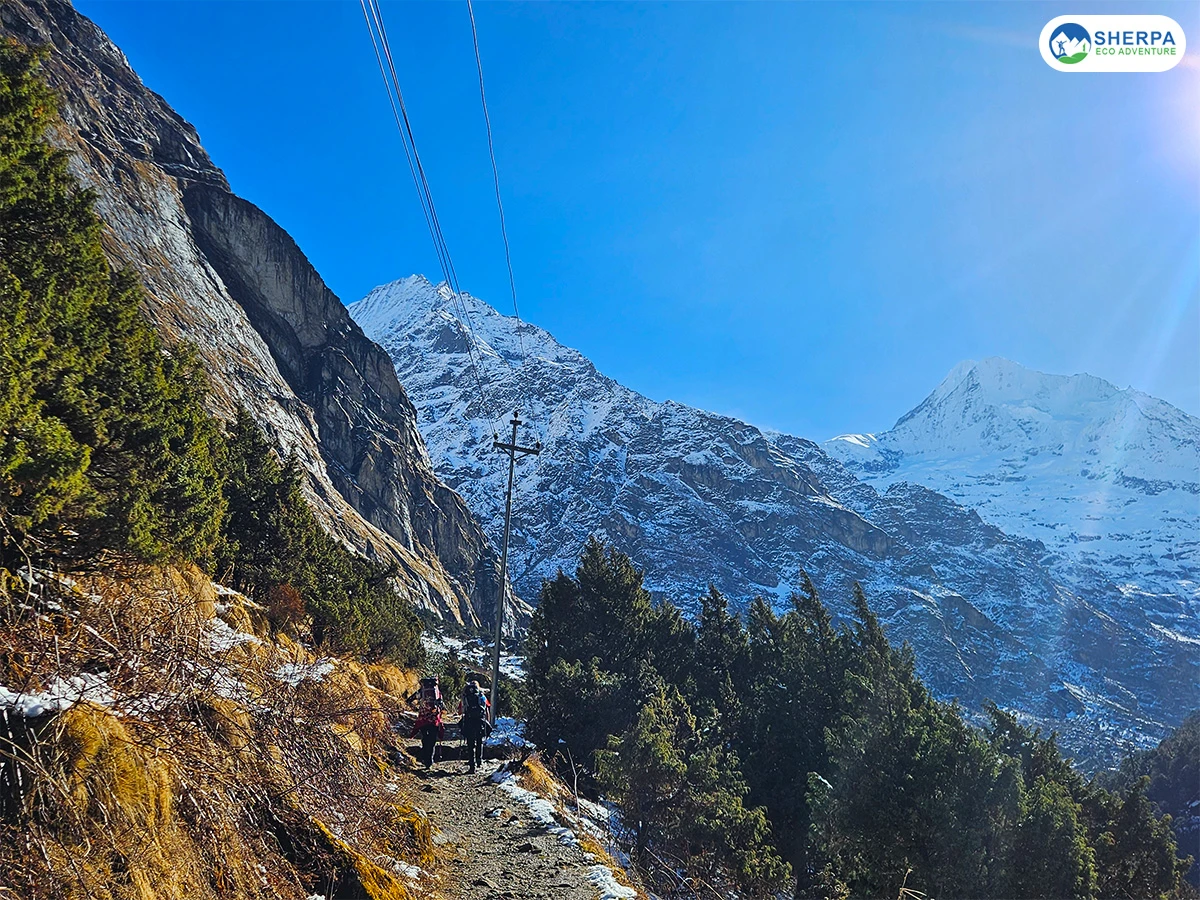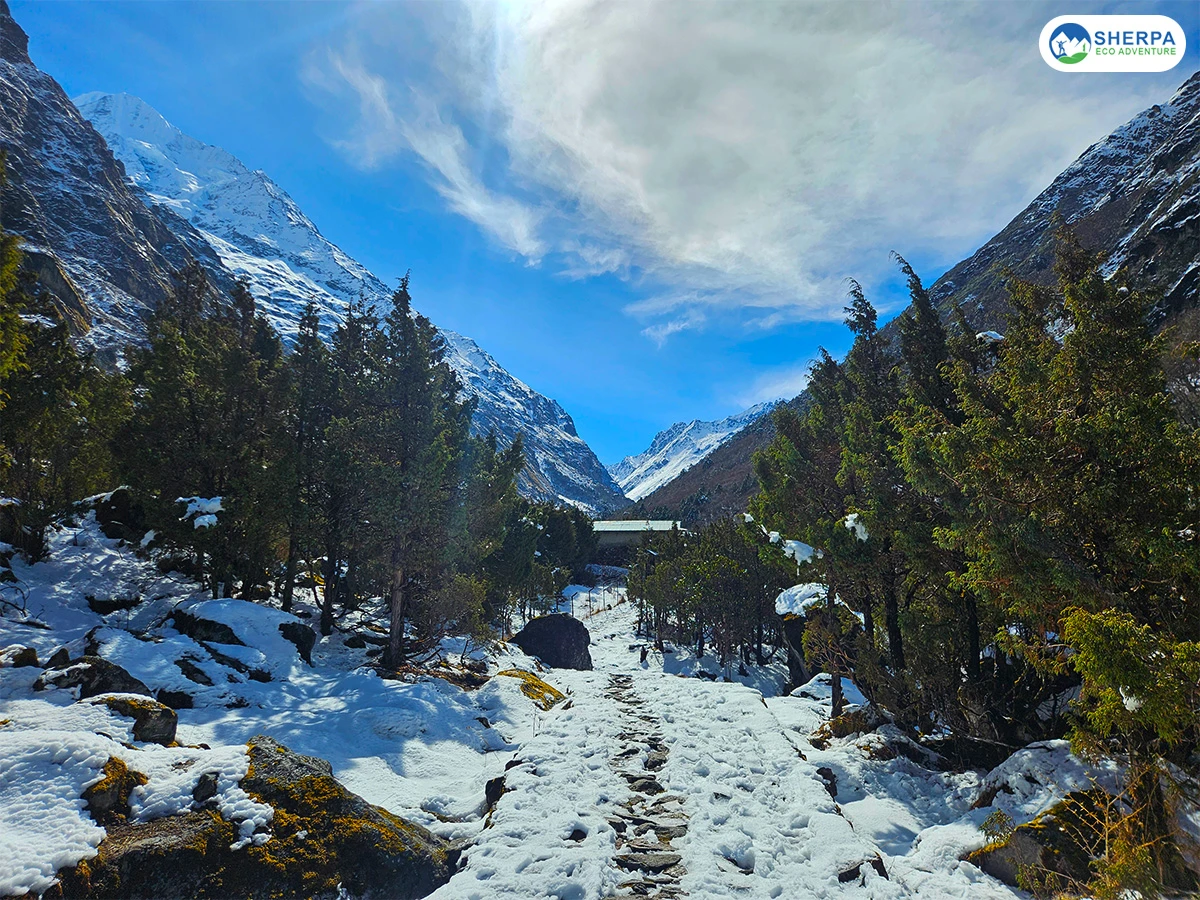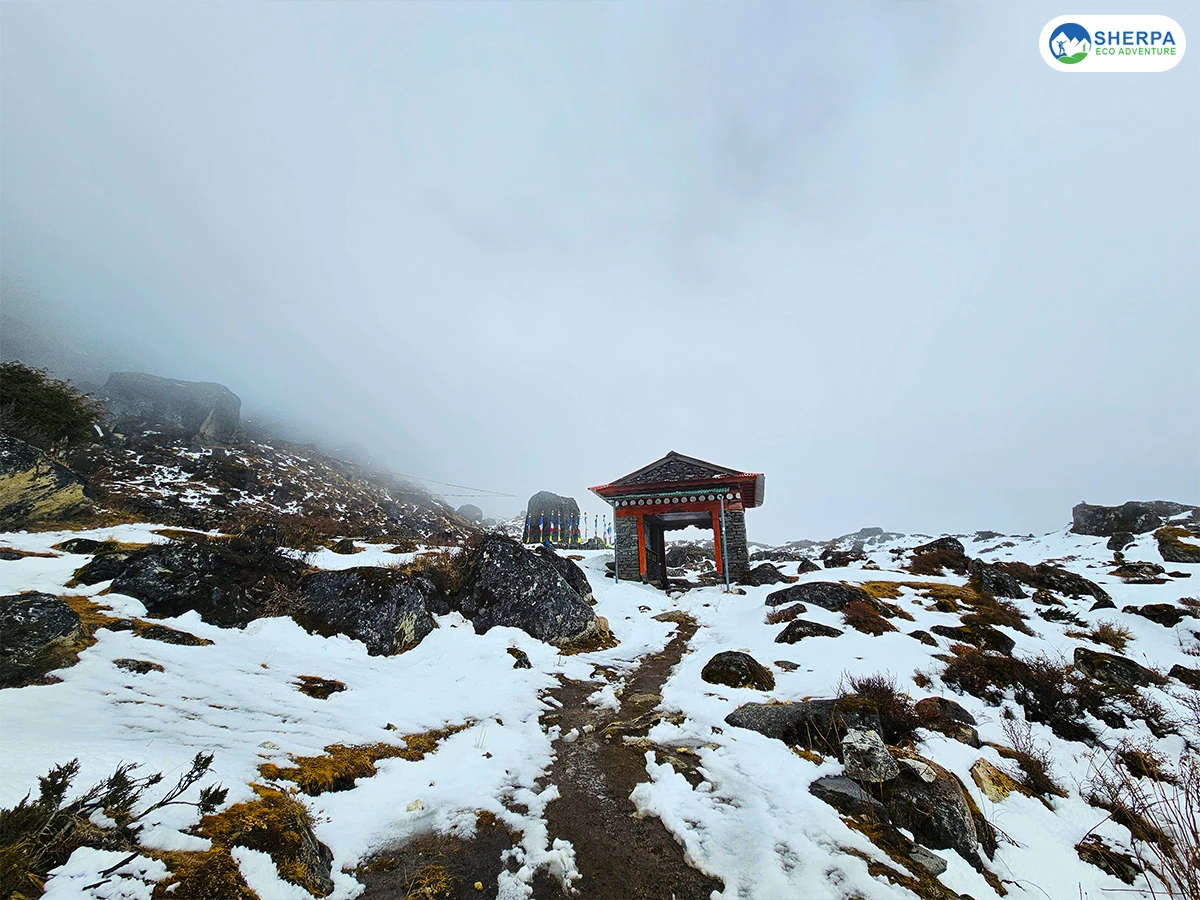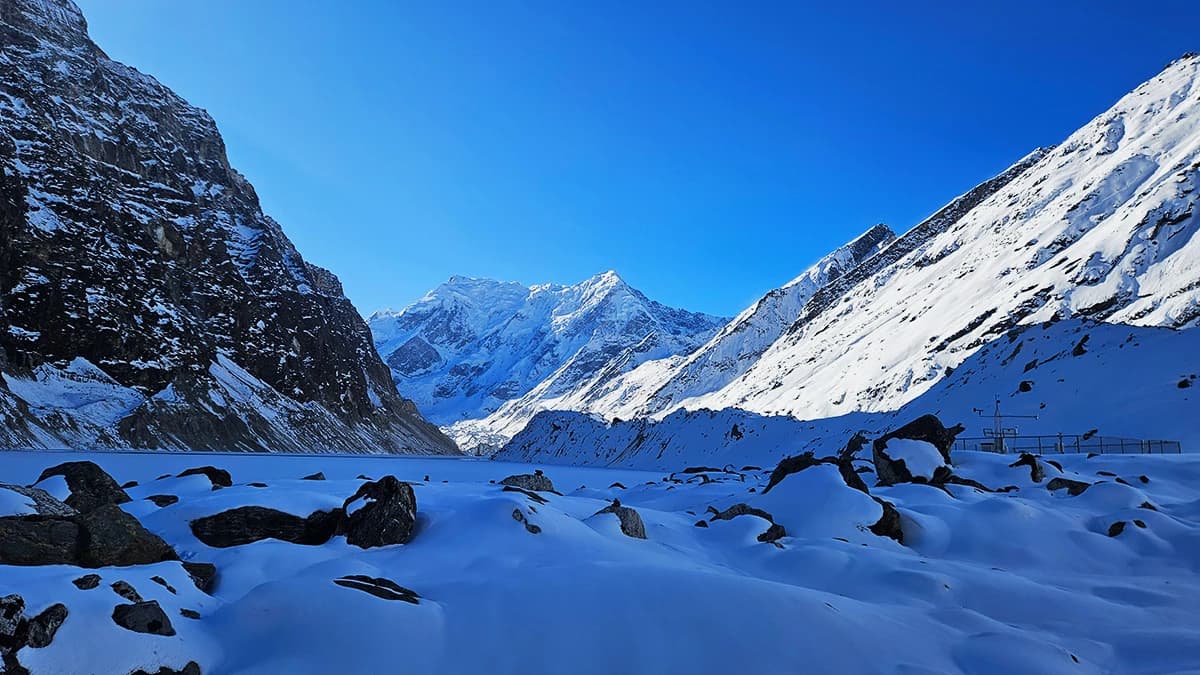
The Tsho Rolpa Trek in Nepal is a remote and breathtaking high-altitude trek located in the Rolwaling Valley, one of the most untouched trekking regions of the Himalayas. Home to Tsho Rolpa Lake (4,580 m), one of the largest glacial lakes in Nepal, this trek offers dramatic mountain scenery, pristine landscapes, and an authentic off-the-beaten-path trekking experience away from crowded routes.
The trek begins from Chetchet or Simigaon after a scenic drive from Kathmandu, following the Rolwaling River through deep gorges, alpine forests, and traditional Sherpa and Tamang villages. Along the trail, trekkers are rewarded with stunning views of Gaurishankar (7,134 m), Melungtse, and other towering Himalayan peaks, while experiencing the unique culture and lifestyle of the Rolwaling region.
With its moderate to challenging difficulty, 7 to 10 day itinerary, and minimal tourist traffic, the Tsho Rolpa Lake Trek is ideal for experienced trekkers seeking a remote Himalayan adventure. Combining glacial landscapes, high mountain vistas, and rich cultural encounters, this trek is one of Nepal’s best hidden trekking destinations for those looking to explore beyond the mainstream routes.
Highlights
- Tsho Rolpa Lake, one of the biggest glacier lakes in Nepal.
- Walk through beautiful forests, rivers and mountain trails.
- Enjoy the peaceful and less crowded Rolwaling Valley.
- Meet friendly Sherpa and Tamang people and learn about their lifestyle.
- See old monasteries, prayer flags and Buddhist culture along the way.
- Get amazing views of Mt. Gaurishankar and other snowy mountains.
- Cross exciting suspension bridges and mountain rivers.
- Spot different plants, birds, and animals in nature.
- Perfect for people who want a quiet and natural trek away from busy routes.
What should I expect during the Tsho Rolpa Lake Trek?
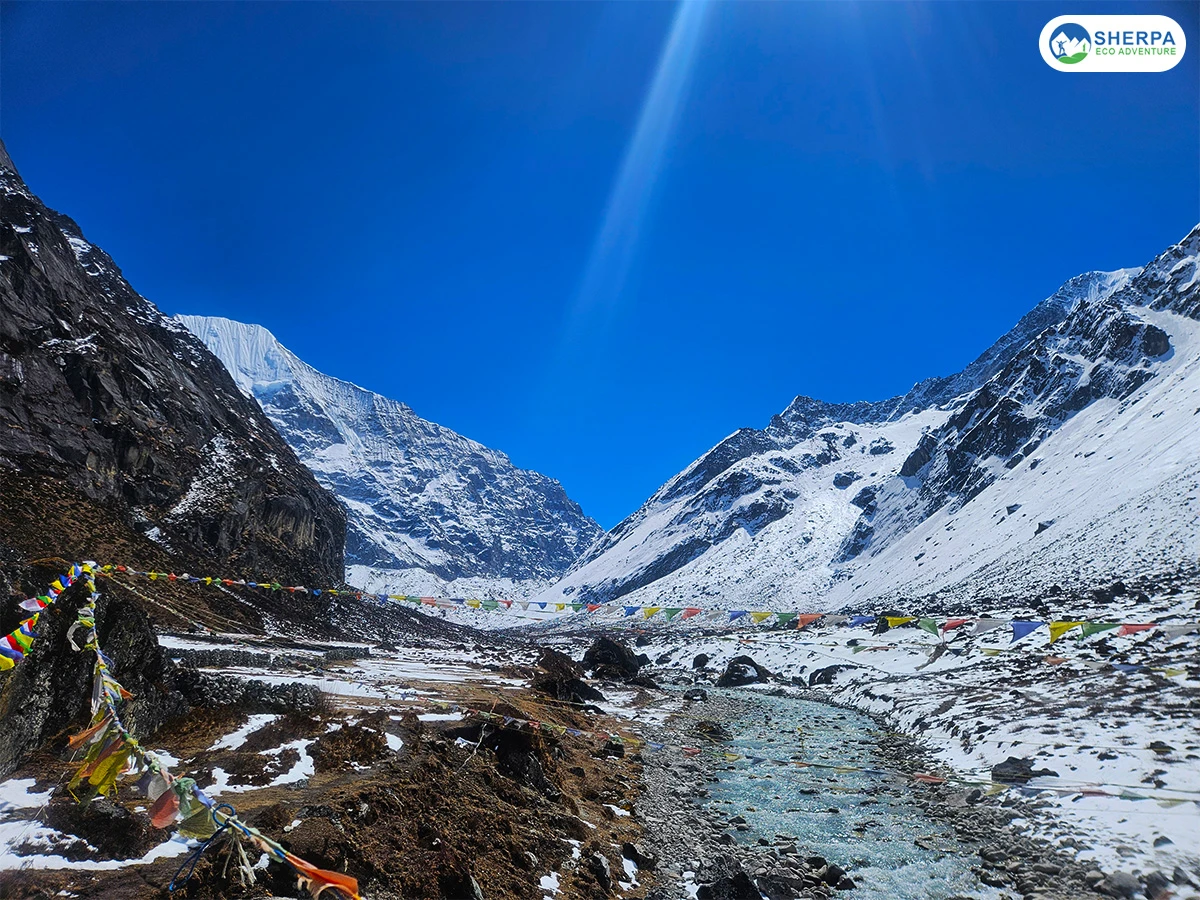
The Tsho Rolpa Lake Trek offers a peaceful and off the beaten path adventure through Nepal’s remote Rolwaling Valley, a place filled with natural wonders and cultural charm. This journey takes you through quiet mountain trails, dense pine and rhododendron forests, deep river gorges, and scenic highland villages. Along the way, you'll cross dramatic suspension bridges and hear the calming sound of glacial streams flowing beside you.
This region is deeply rooted in Buddhist traditions, and you’ll notice sacred elements everywhere i.e colorful prayer flags fluttering in the wind, stone-built mani walls, and centuries-old monasteries that reflect the strong spiritual presence of the Sherpa people. Villages like Simigaun, Dongang, Beding, and Na Gaon offer a glimpse into rural Himalayan life, where locals welcome you with humility and kindness. The highlight of the trek is reaching Tsho Rolpa Lake (4,580 meters), a turquoise glacial lake sitting quietly beneath the towering Gaurishankar Himal and other snow-capped peaks.
This trek is perfect for adventurers looking to avoid crowded trails and explore Nepal’s untouched landscapes. It is suitable for both beginners and experienced hikers who are physically fit and ready to embrace high-altitude trekking. With the support of expert guides, you'll have a safe and enriching experience while exploring one of Nepal’s best-kept secrets. If you’re planning your Himalayan journey for 2026 or 2027, the Tsho Rolpa Lake Trek promises an unforgettable combination of nature, solitude, and cultural immersion.
Perks of doing the Tsho Rolpa Lake Trek with us
When you begin the Tsho Rolpa Lake Trek with our experienced team, your journey becomes smooth, safe, and well-organized from start to finish. With their deep local knowledge and reliable support, you can explore this remote region of Nepal with total peace of mind. Your safety, comfort, and satisfaction are always our top priorities throughout the trek.
If you're looking for details about a Tsho Rolpa Lake Trek guide, visit our website for the latest information. Here’s why trekking with us ensures a meaningful and hassle-free experience:
- Trek with skilled local guides and friendly porters
- Flexible itineraries tailored to your time and fitness level
- Enjoy authentic Sherpa hospitality with care and comfort
- Get the best Tsho Rolpa Lake Trek cost without compromising quality
- Benefit from our 24/7 support team during your entire journey
- Receive free airport pick-up and drop-off, plus welcome & farewell dinners
- Transparent pricing , no hidden fees or surprises