Kori Trek

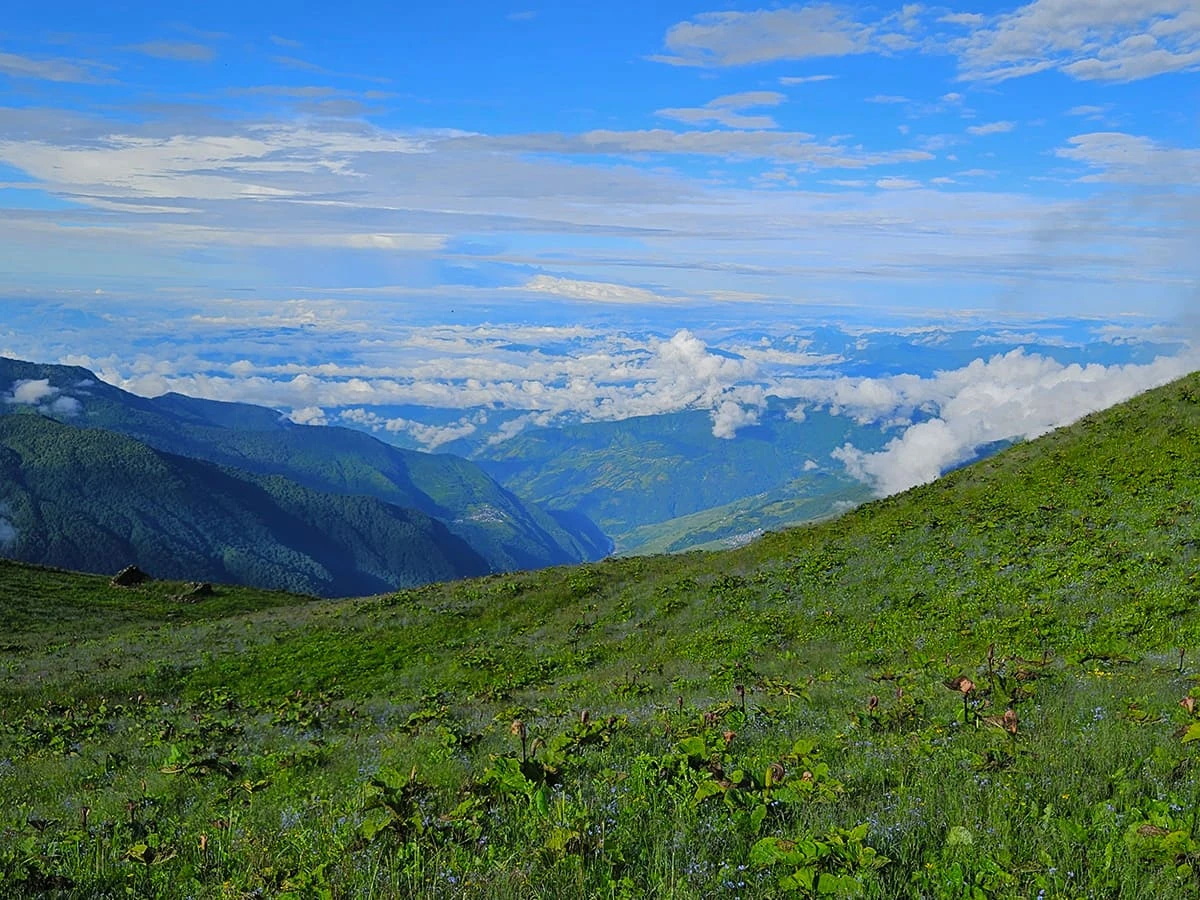
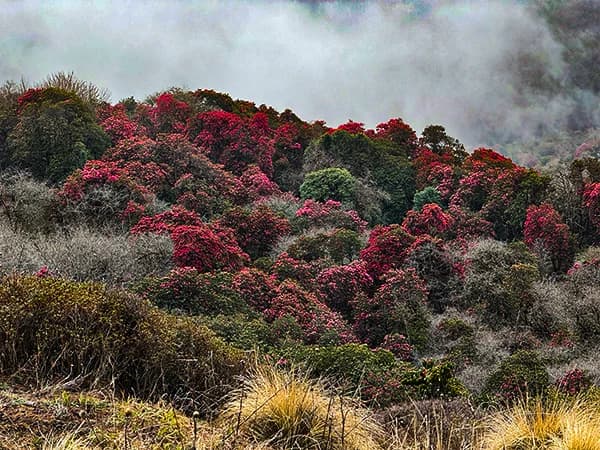
Kori Trek Wild flowers
At a Glance
  • Duration8 Days
  • Trip GradeModerate
  • CountryNepal
  • Maximum Altitude3800 meter
  • Group Size14
  • StartsKathmandu
  • EndsKathmandu
  • Travel StyleTrekking
  • Best TimeSpring and Autumn

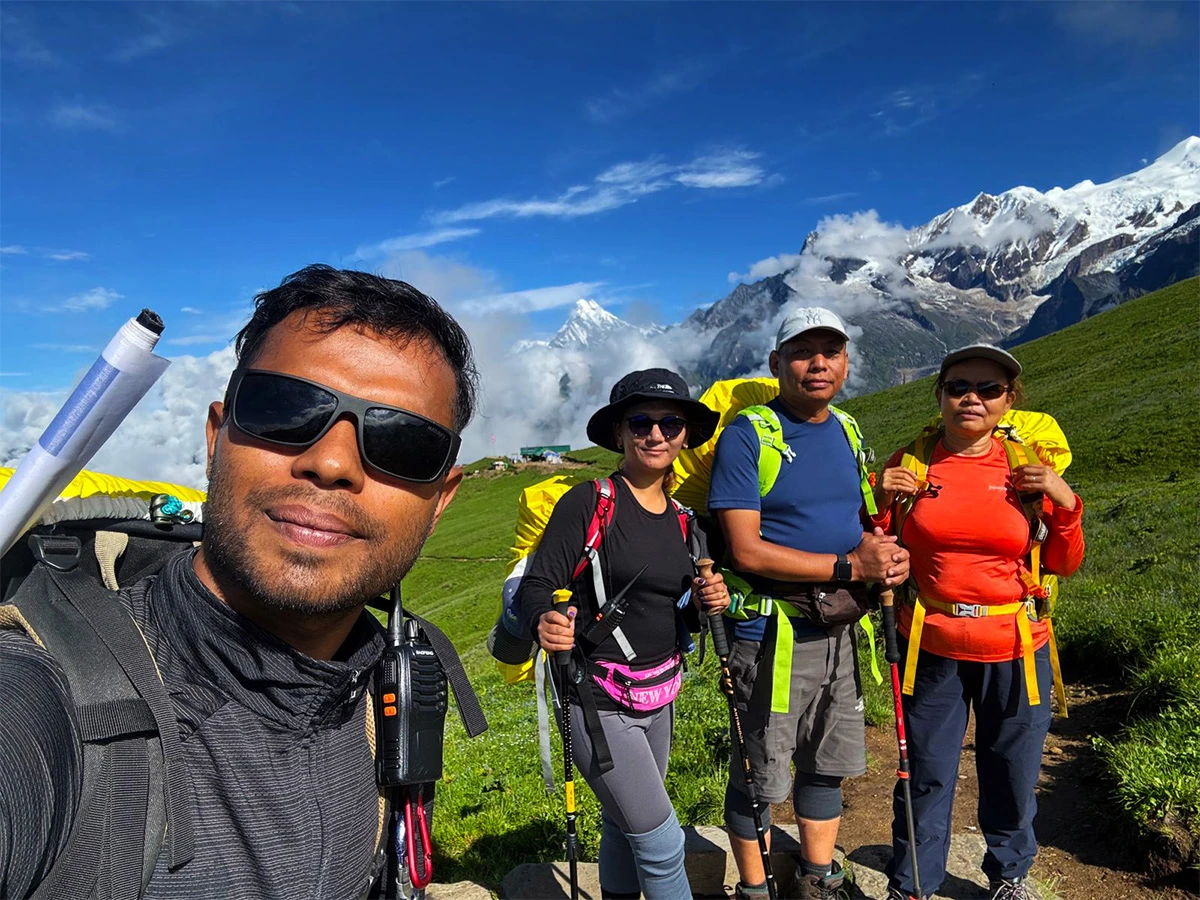
The Kori Trek stands out as a hidden gem among the treks in Nepal. Offering peaceful trails, stunning mountain views, warm Gurung hospitality, and real cultural experiences, this 9 day adventure near Pokhara is perfect for those seeking a quiet and scenic journey. With its easy access, moderate difficulty, and fewer crowds, it’s an ideal trek for both new and experienced hikers.

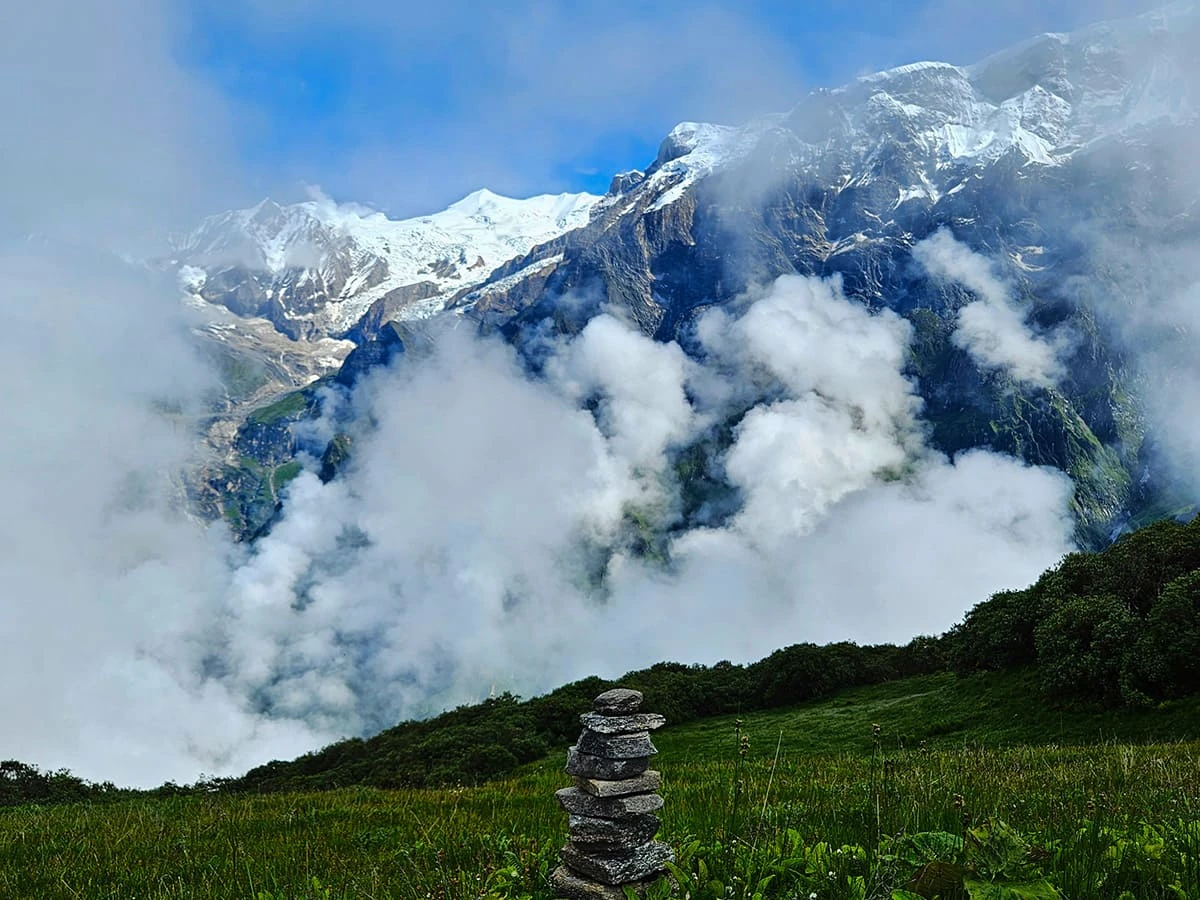
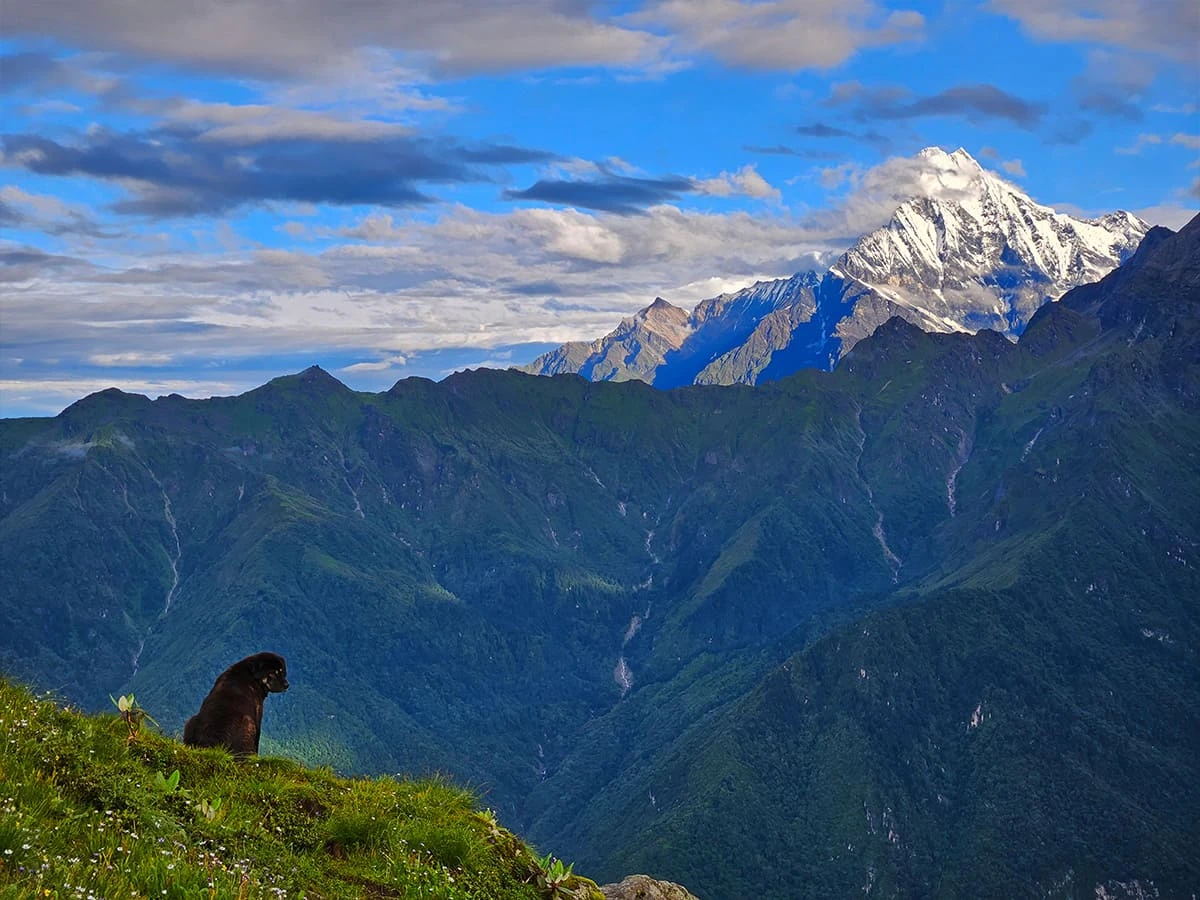
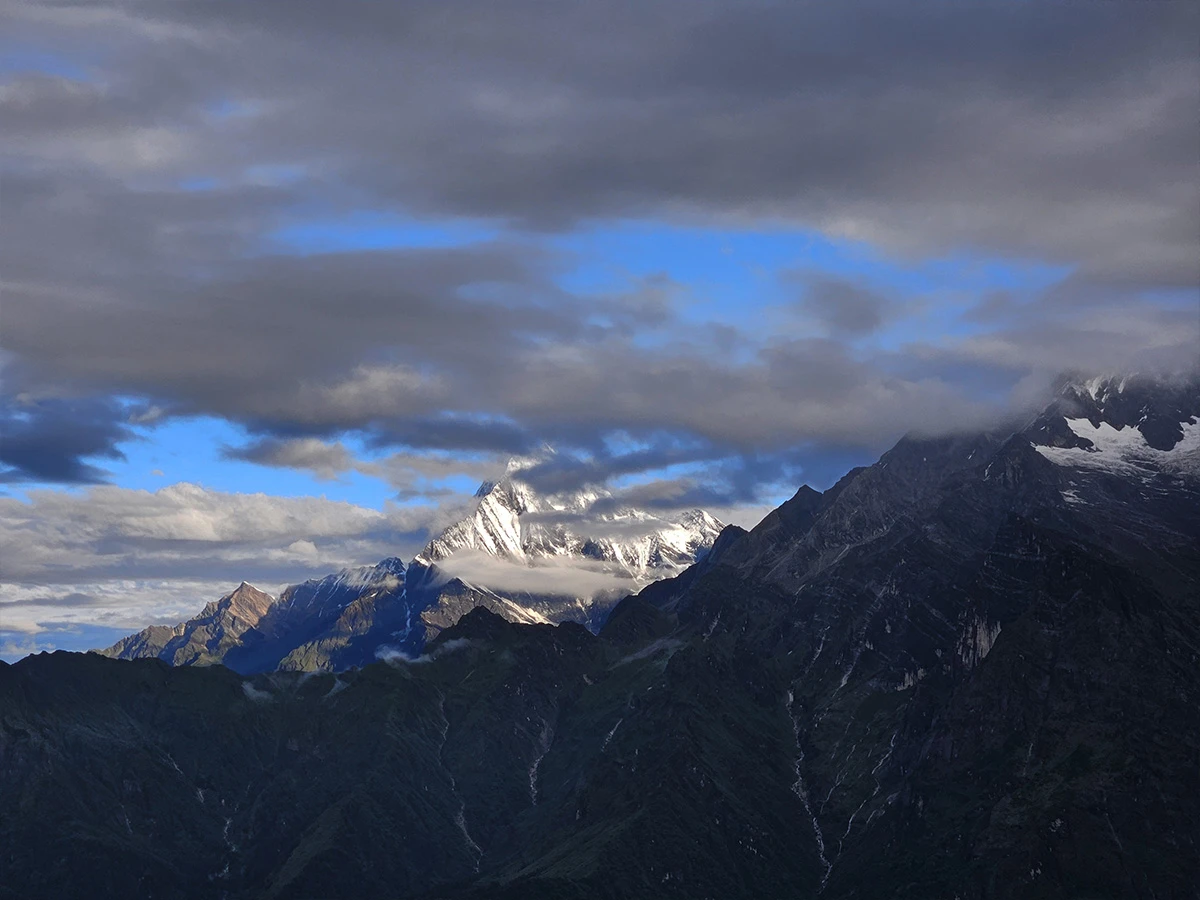
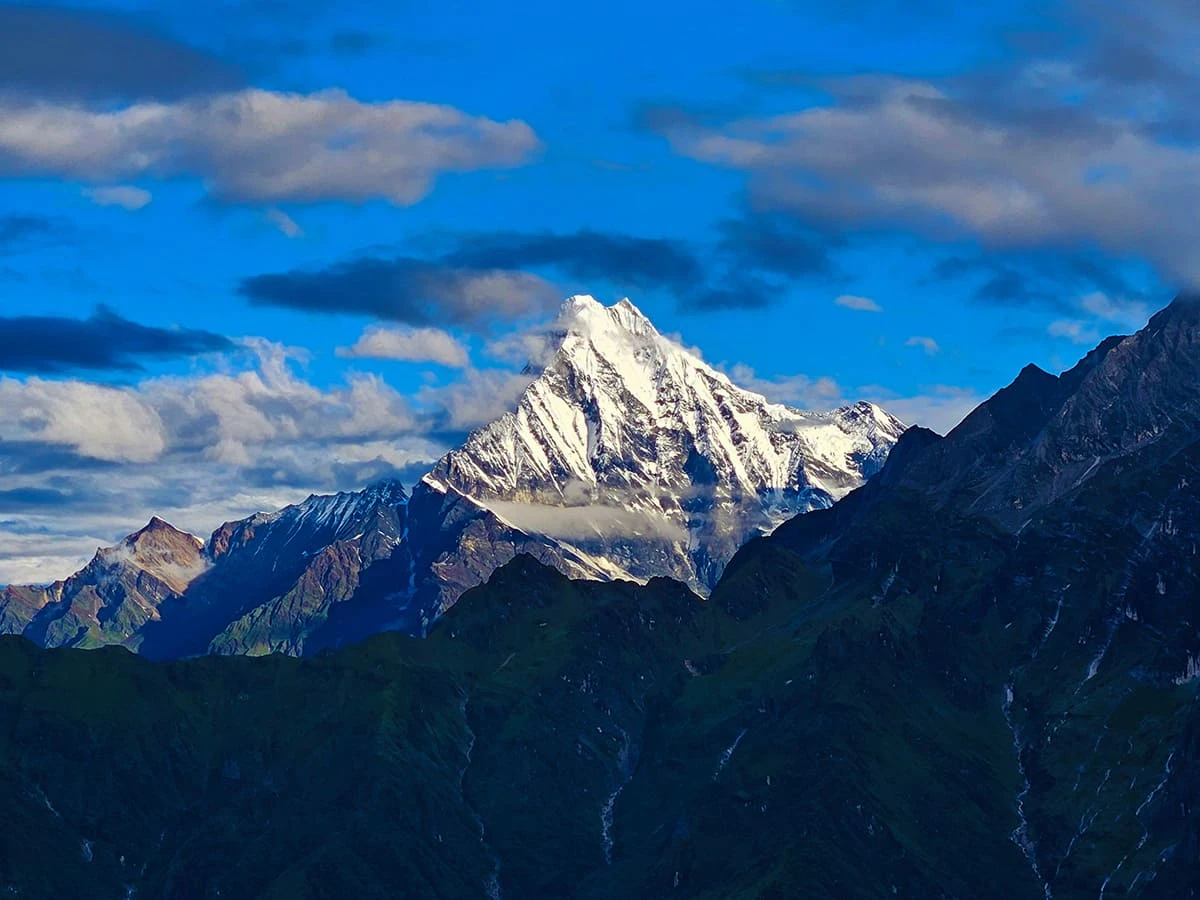
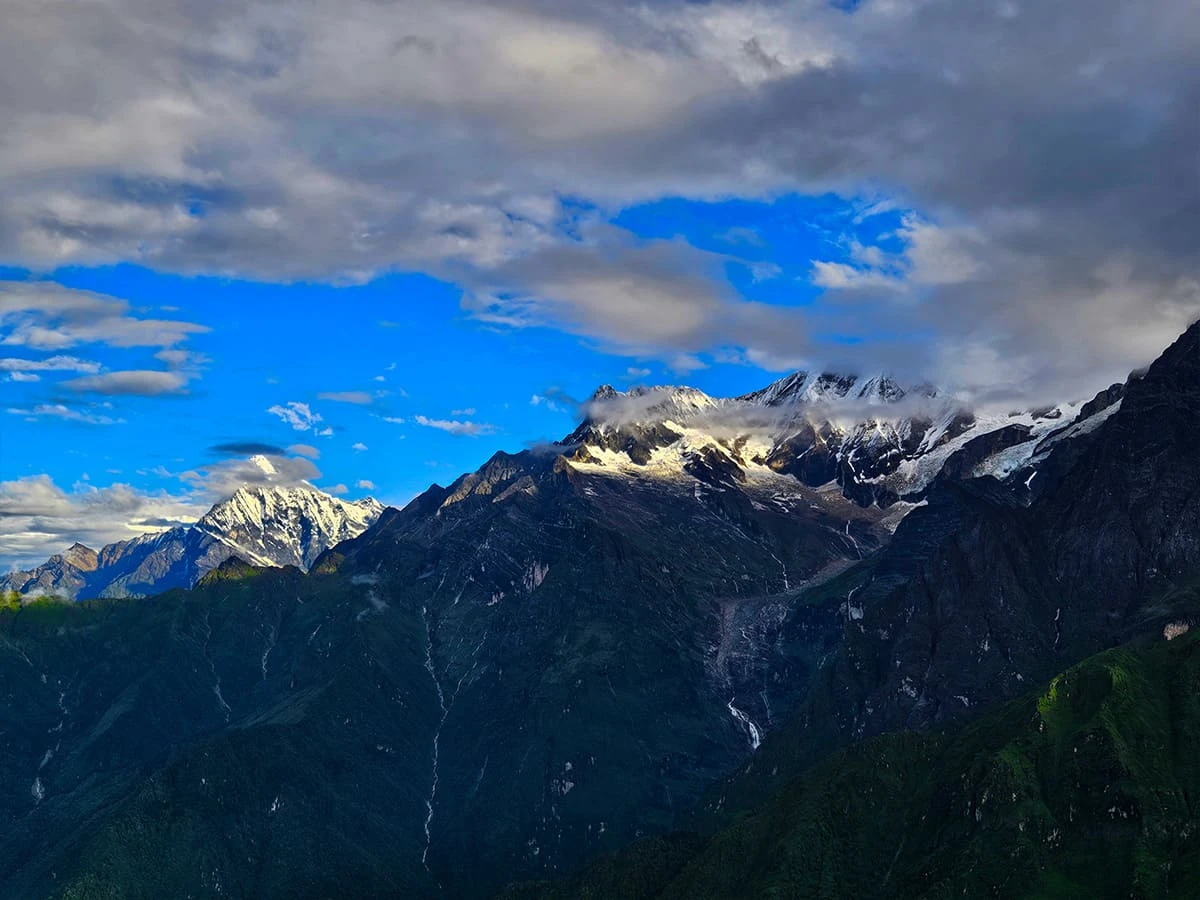
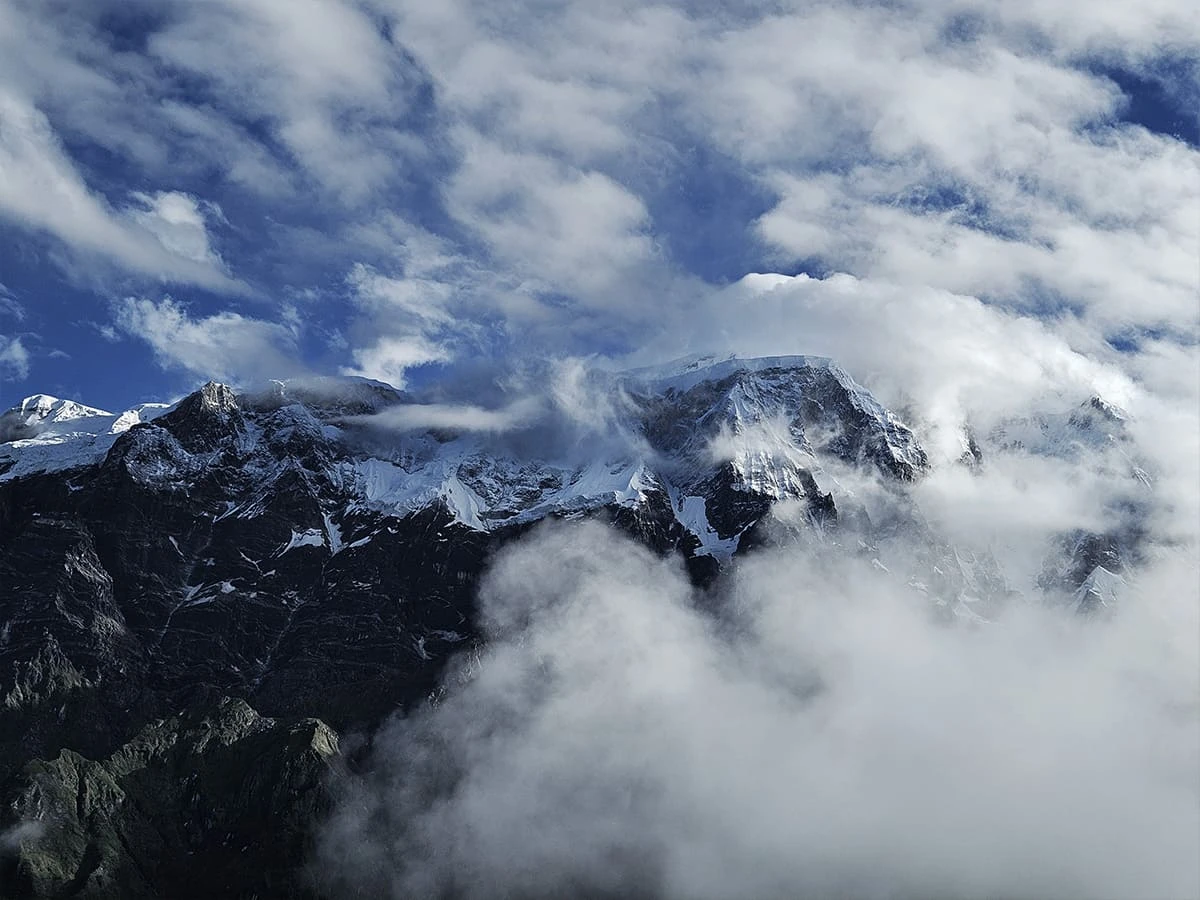
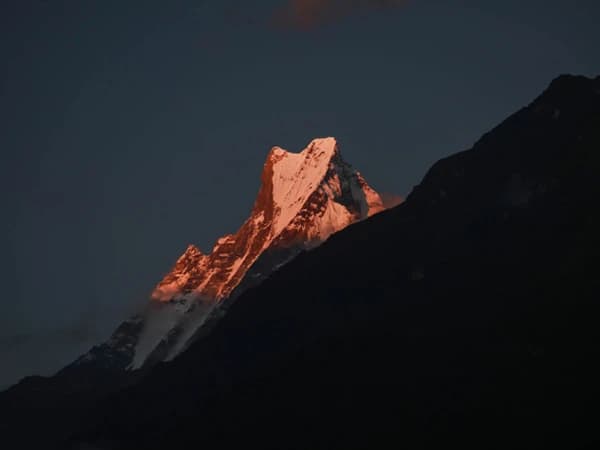
Though close to popular areas like Annapurna, the Kori Trek remains untouched by mass tourism, making the trail clean, peaceful, and full of natural charm. The route travels through Kori Hill and the beautiful Northeast Annapurna region, offering incredible views of Machapuchare, Annapurna II, and Lamjung Himal. You’ll also hike through dense forests and open meadows and stay in traditional Gurung villages.

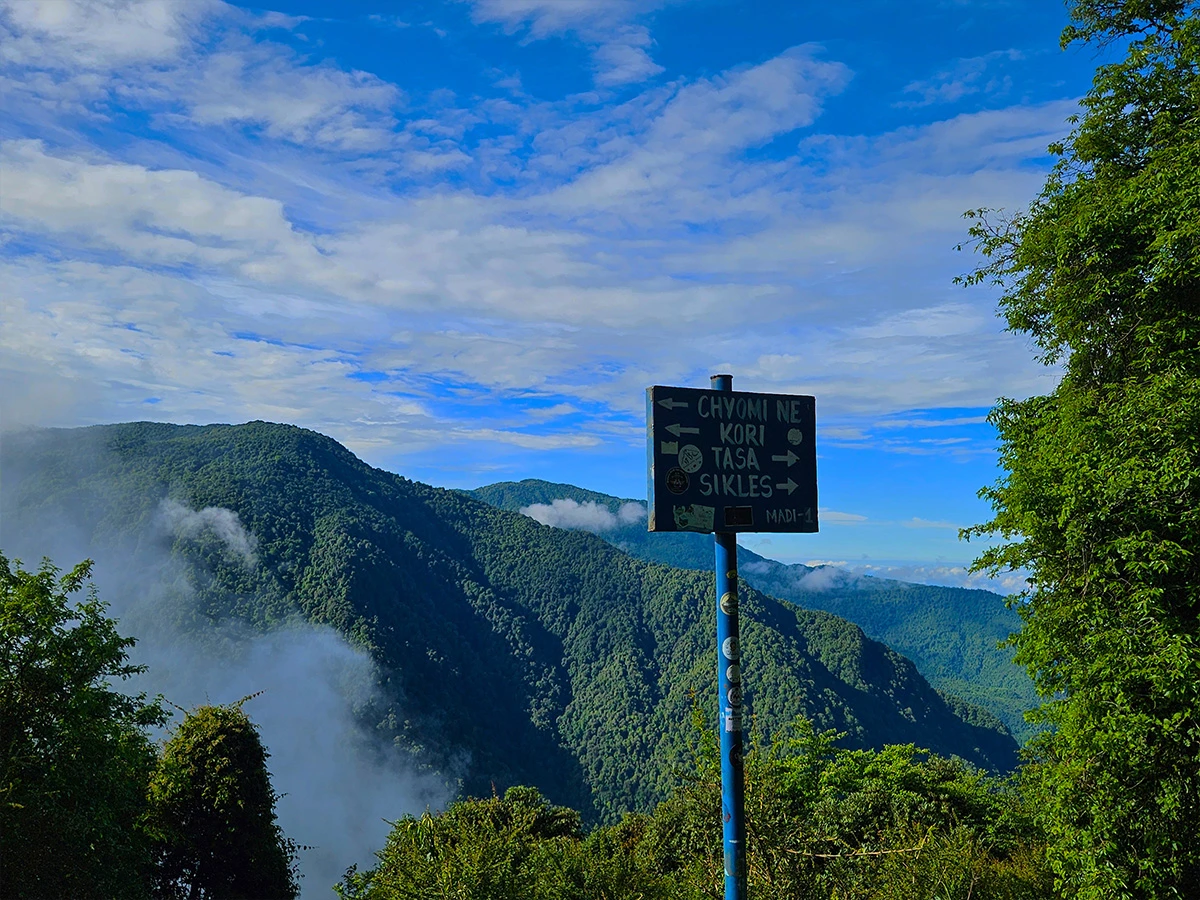
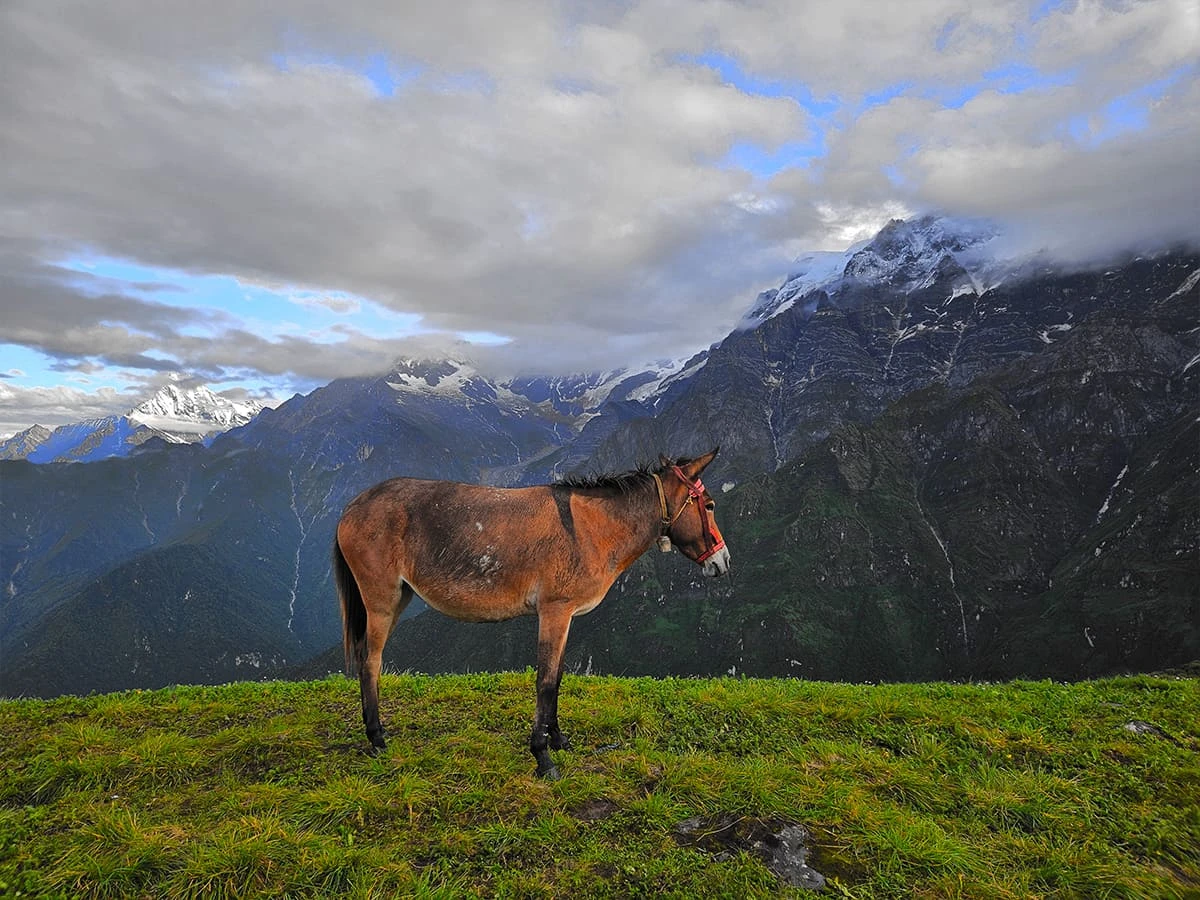
Along the way, you’ll see diverse plant and animal life, including local herds of sheep and yaks. The trek begins from Tangting village and gradually climbs to Kori Hill (3,800 meters), the highest point on the trek. You’ll pass through places like Sikles, Tasa, and Kori village while walking alongside rivers, hills, and green forests.

Bookings for the 2026–2027 Kori Trek are now open! We’re offering a special holiday discount, making this one of the most affordable Kori Trek packages available. Don’t miss the chance to explore this peaceful and beautiful trail before it becomes well known.

Highlights

  • Enjoy peaceful trails away from crowds, perfect for both beginner and experienced trekkers.
  • Discover the warm hospitality and culture of the Gurung community in traditional villages.
  • Get close views of stunning peaks like Machapuchare, Annapurna II, and Lamjung Himal.
  • Camp or stay in quiet, scenic spots surrounded by natural beauty.
  • Explore hidden paths that feel untouched and truly wild.
  • Enjoy peaceful sunrises and sunsets in a serene mountain setting.
  • Spot birds and animals along the trail in this less explored area.
  • Visit a local yak cheese factory to taste and buy the products
  • A perfect short trek near Pokhara for those seeking both nature and culture.

What should I expect during the Kori Trek?

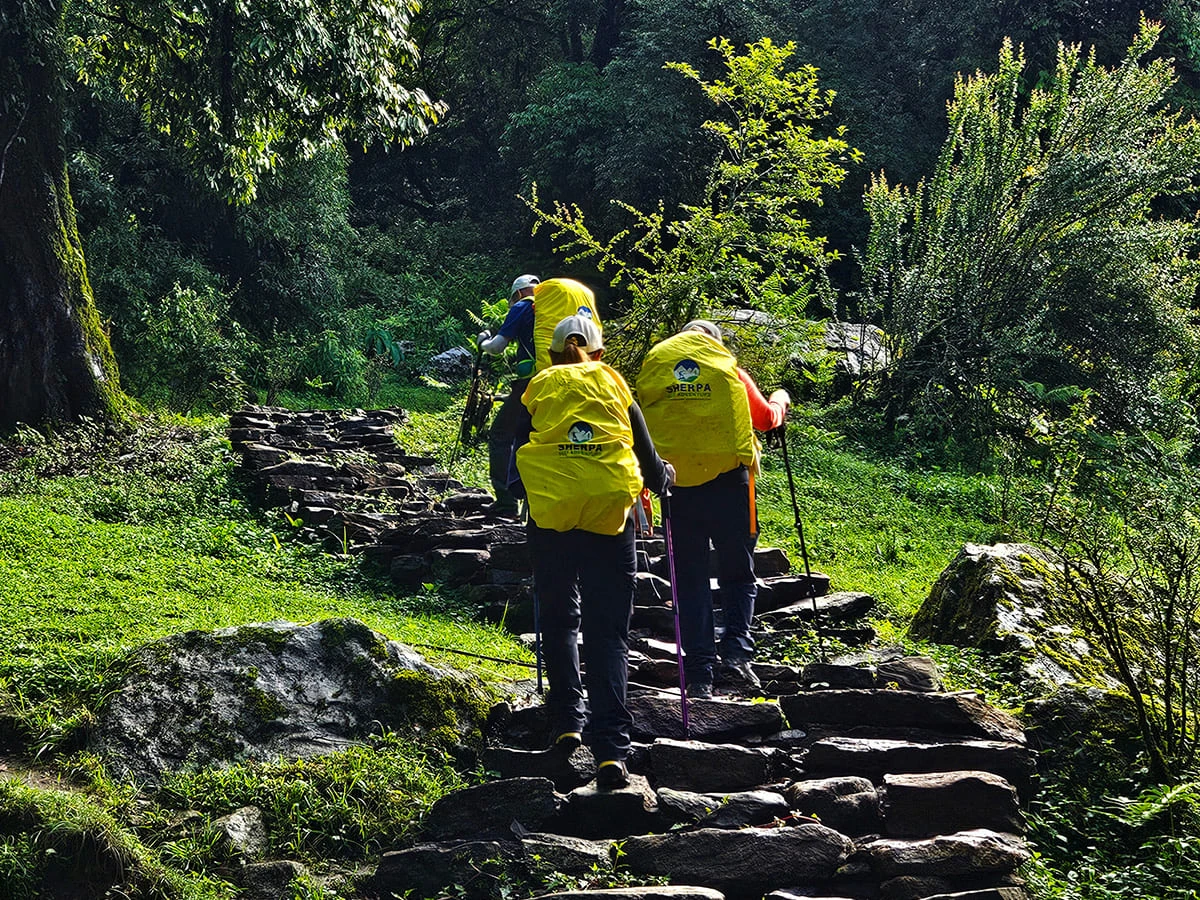
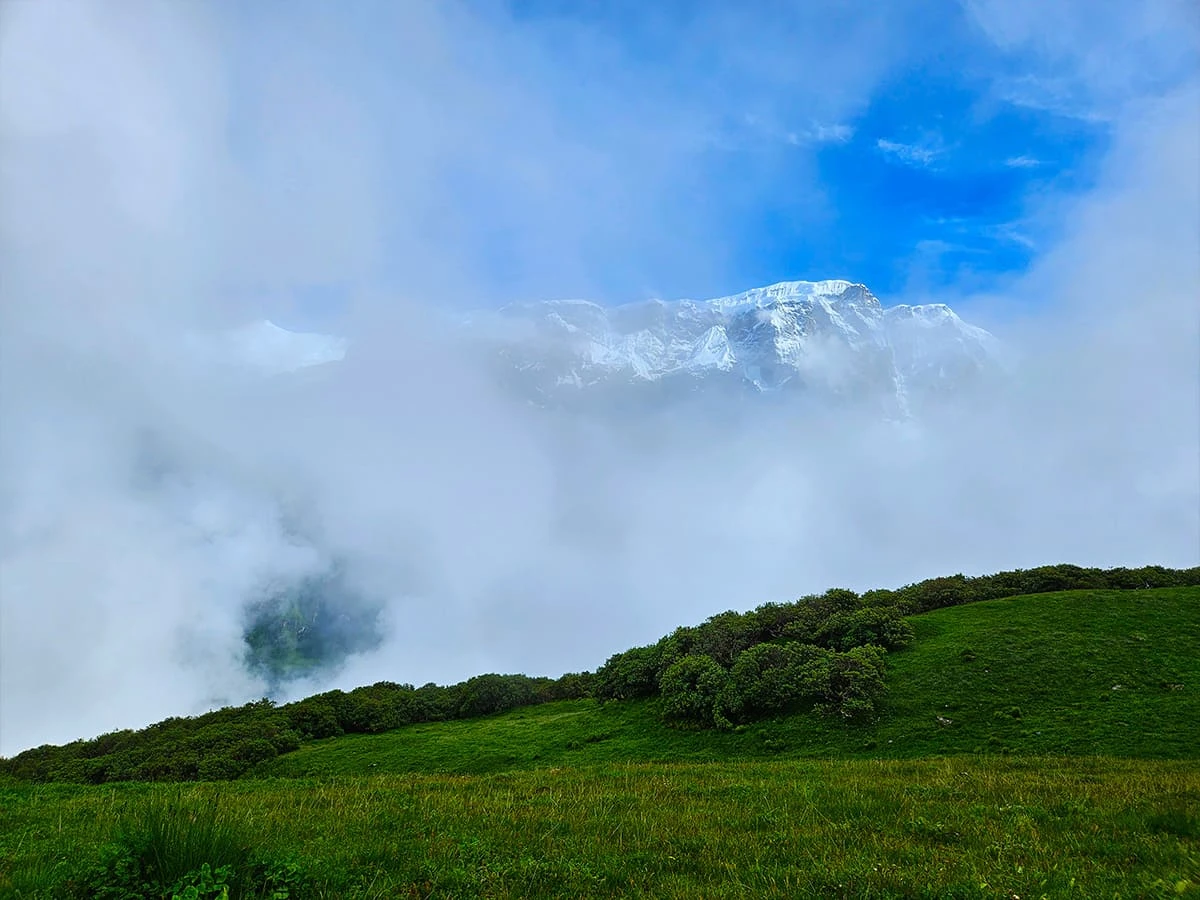
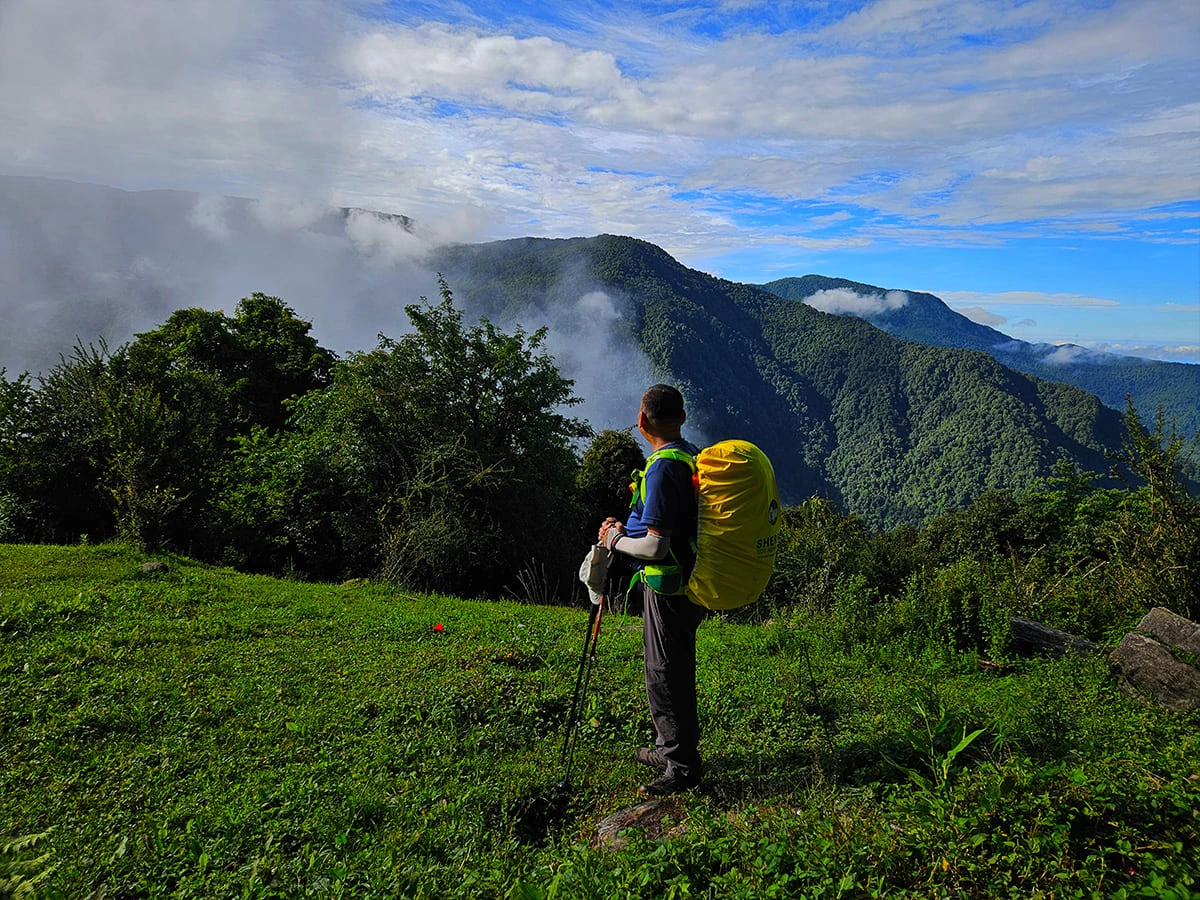
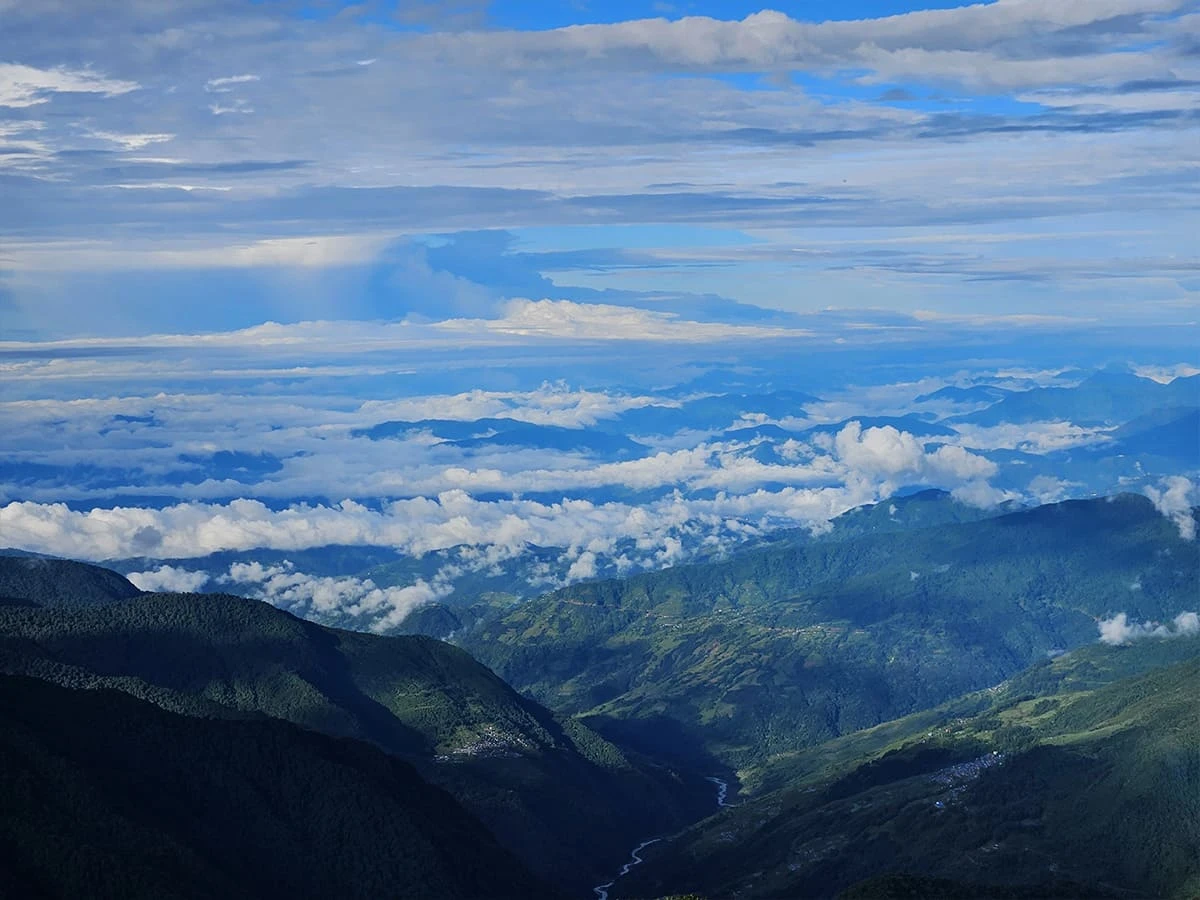
The Kori region is known for its peaceful environment, wide-open ridges, and stunning views of the Annapurna and Lamjung Himalayas. The Kori Trek takes you through untouched forests of rhododendron, oak, and bamboo, peaceful high pastures, and quiet traditional villages. You'll walk along stone paths, wooden bridges, and green hillsides, all while enjoying the sound of birds and flowing streams.

The Kori Trek offers a rich Gurung cultural experience, as most of the local people are from the Gurung community. Their traditions, customs, and hospitality make the journey even more special. You'll pass through traditional villages like Tangting, Sikles, and Tasa, where you can observe local life and farming practices and hear folk songs and stories passed down through generations.

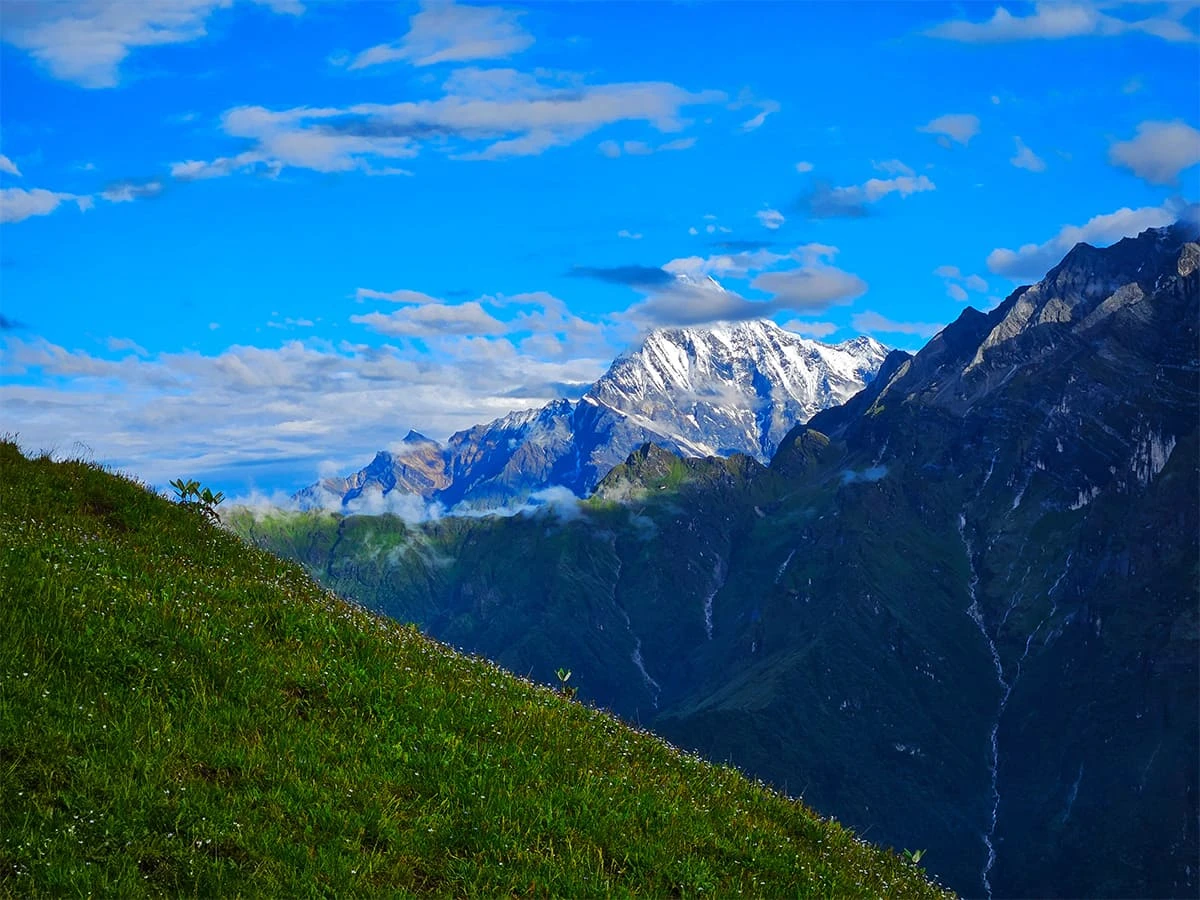
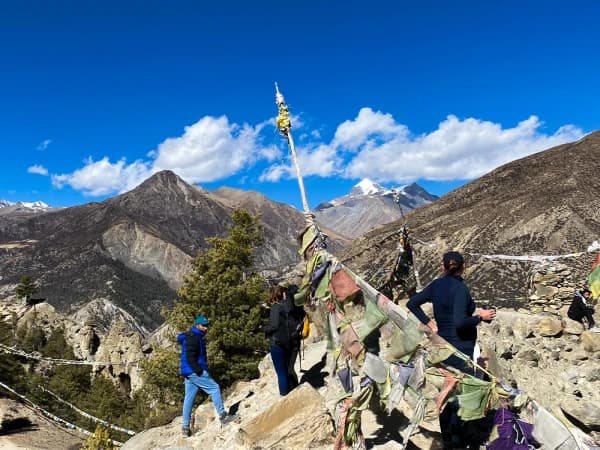
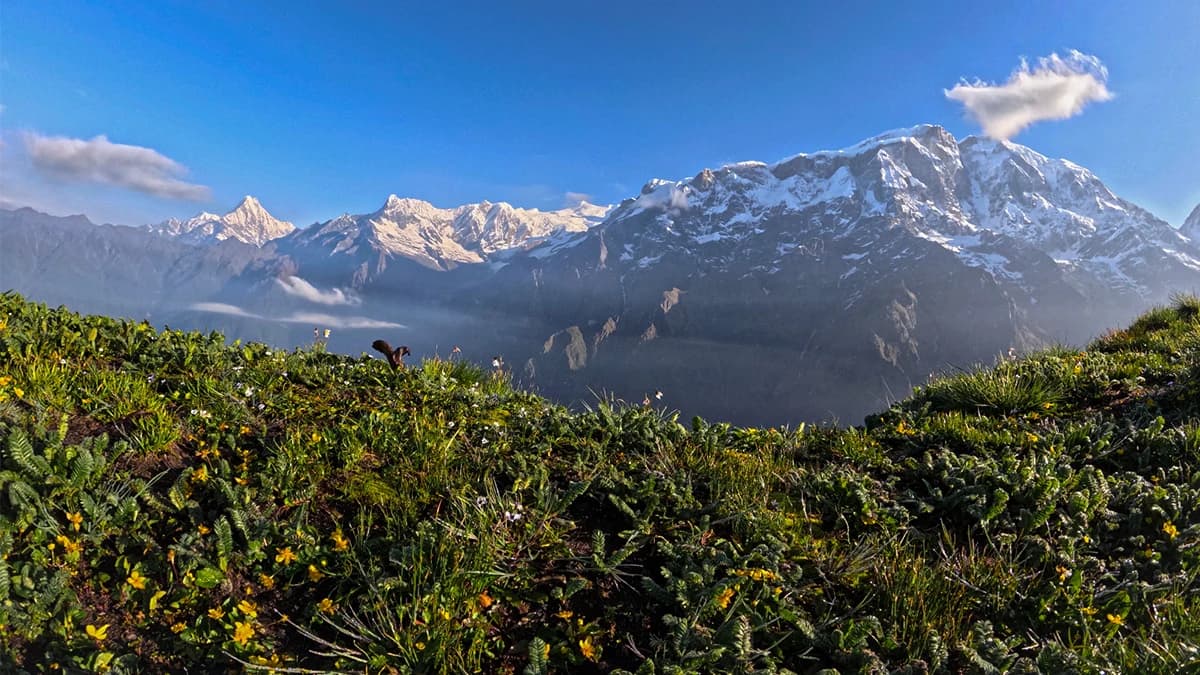
Along the trail, you’ll find beautiful Buddhist shrines, prayer flags, and mani walls, reflecting the peaceful spiritual vibe of the region. The highlight of the trek is reaching Kori Hill (around 3,800 meters)  , a peaceful ridge with panoramic views of Machapuchare (Fishtail), Annapurna II, Lamjung Himal, and more. It's a perfect place for sunrise and sunset views in total silence.

A day at Kori Hill offers a chance to explore the surroundings, take short hikes, or simply enjoy the peaceful views. Unlike busier routes like Annapurna Base Camp or Ghorepani, the Kori Trek is still a hidden gem with few trekkers on the trail, making it a great option for those looking for peace, nature, and culture.

Perks of doing the Kori Trek with us

Trekking to Kori with our experienced team ensures a smooth, safe, and unforgettable journey. Our knowledgeable guides and helpful porters are always ready to support you at every step. From the moment you arrive until the end of your trek, we handle everything with care and professionalism so you can enjoy the adventure without worry.

If you're looking for reliable information and a trusted team for the Kori Trek, our website is the perfect place to start. Below are some of the top reasons to trek with us:

  • Trek with friendly, licensed guides and skilled porters who know the route well.
  • Flexible itinerary options that can be customized to fit your time and interests.
  • Enjoy authentic local hospitality and high-quality service throughout your trip.
  • Get the best value with one of the most affordable Kori Trek packages available.
  • Benefit from our 24/7 support system, both on and off the trail.
  • Free airport pickups and drop-offs, plus welcome and farewell dinners, are included.
  • Transparent pricing with no hidden costs or surprise charges.
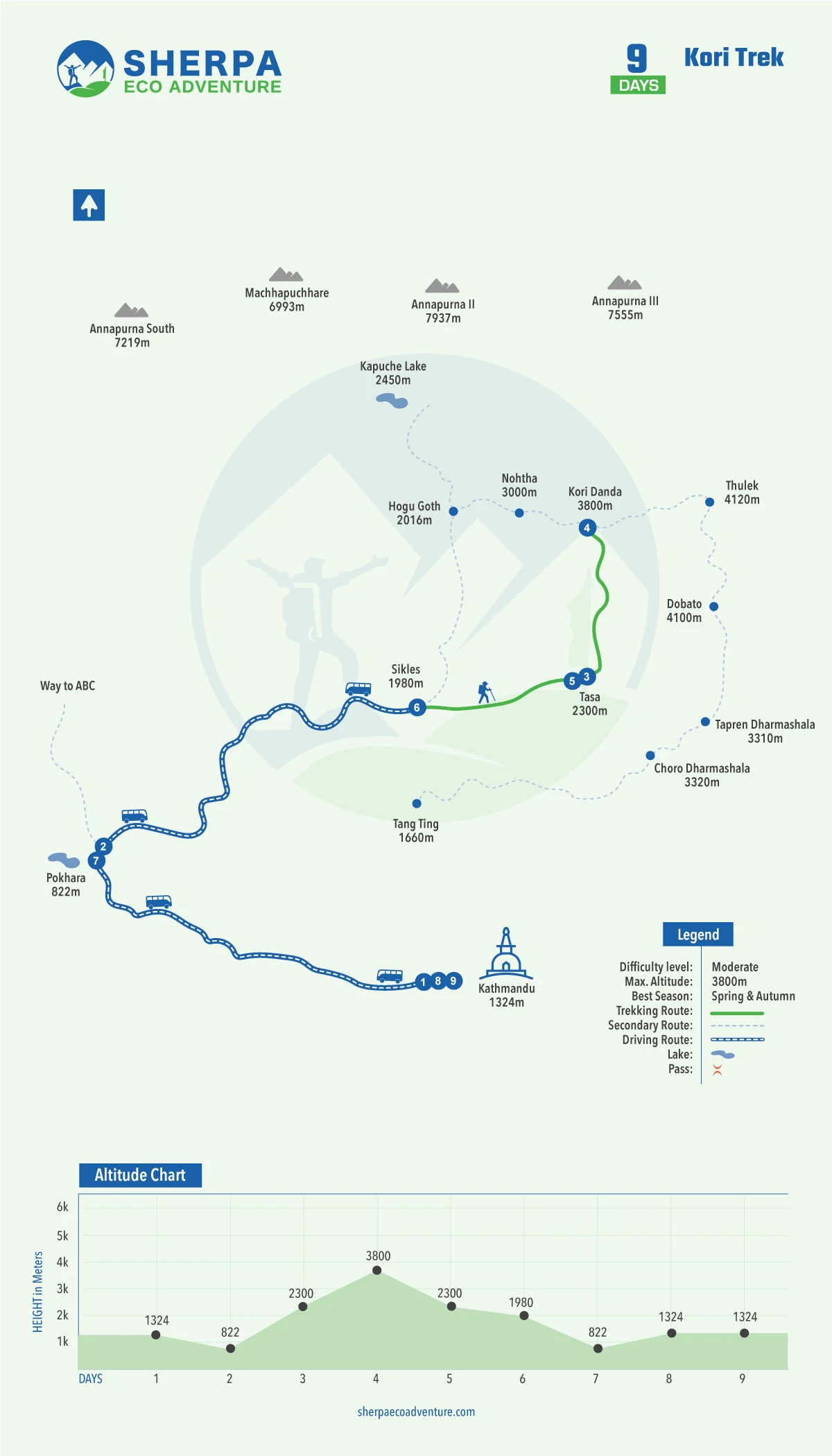
Day to Day Itinerary

Welcome to Kathmandu, the capital city of Nepal! After your arrival at Tribhuvan International Airport, our friendly team will be there to greet you. We’ll take you to your hotel where you can relax after your flight. If you arrive early, you can explore the bustling streets of Thamel, a colorful area full of shops, cafes, and local culture. In the evening, you’ll enjoy a traditional Nepali welcome dinner with your trekking group and meet your guide, who will brief you about the Kori Trek journey ahead.

Max Altitude:1324 meters Meal:Welcome DinnerAccommodation:Hotel

After breakfast, we begin our scenic road trip to Pokhara, one of Nepal’s most loved cities. The drive offers beautiful views of the Trishuli River, green hills, and rural villages. Once we arrive in Pokhara, you’ll immediately notice the change in pace, calm and surrounded by nature. You can take a walk by Phewa Lake, enjoy coffee at a lakeside cafe, or simply relax. Pokhara is also the starting point for many treks, including ours.


Max Altitude:822 meters Meal:Breakfast, Lunch & DinnerAccommodation:HotelDistance:200 kilometers | 124 milesDuration:6–7 Hours

We drive from Pokhara to Sikles, a traditional Gurung village known for its hospitality, culture, and stunning views of the Annapurna range. After reaching Sikles, we start our short uphill trek to Tasa, a peaceful settlement nestled above the hills. The trail leads through terraced farmlands and pine forests. This first walk is not too challenging and is great for adjusting to trekking life. In Tasa, we stay in a simple teahouse and enjoy our first night in the mountains.


Max Altitude:2300 meters Meal:Breakfast, Lunch & DinnerAccommodation:Teahouse or Local LodgeDistance:6 kilometers | 3.7 milesDuration:3–4 hours drive and 2–3 hours trek

This is a key highlight of the trek! The trail gradually ascends through rhododendron forests, open ridges, and alpine meadows. You’ll start to notice the landscape changing as you gain altitude. As we reach Kori Hill, we are rewarded with breathtaking panoramic views of Annapurna II, Lamjung Himal, and Machapuchare (Fishtail Mountain). Kori is quiet, remote, and untouched. We’ll stay in a tent or basic shelter, depending on availability. The night here, under a sky full of stars, is magical.

Max Altitude:3800 meters Meal:Breakfast, Lunch & DinnerAccommodation:Tent Basic or ShelterDistance:10 kilometers | 6.2 milesDuration:5–6 Hours

After enjoying the peaceful sunrise and final views from Kori Hill, we begin descending back to Tasa. The trail is easier going down, giving you more time to enjoy the scenery and take photos. This is a great day to relax your pace, reflect on the high point of your trek, and enjoy a warm meal back in the teahouse.

Max Altitude:2300 meters Meal:Breakfast, Lunch & DinnerAccommodation:Teahouse or Local LodgeDistance:10 kilometers | 6.2 milesDuration:5–6 Hours

Today’s trek is short and easy as we head back to Sikles village. Once we arrive, you’ll have plenty of time to explore. Sikles is rich in Gurung culture and you can also visit a local museum, interact with friendly villagers, or just relax with mountain views. This evening is a great chance to enjoy traditional food and celebrate the completion of your trek with your guide and team.


Max Altitude:2000 meters Meal:Breakfast, Lunch & DinnerAccommodation:Teahouse or HomestayDistance:6 kilometers | 3.7 milesDuration:2–3 Hours

After breakfast, we begin our journey back. First, we drive to Pokhara and then continue the longer highway trip to Kathmandu. Though long, the drive is full of scenic views and gives you time to reflect on your adventure. Once in Kathmandu, check into your hotel and freshen up. In the evening, join us for a special farewell dinner to celebrate your amazing journey to Kori.


Max Altitude:1324 meters Meal:Breakfast, Lunch & Farewell DinnerAccommodation:HotelDistance:230 kilometers | 142.9 milesDuration:8–9 Hours

Our team will provide transportation to Tribhuvan International Airport. Ensure you're prepared according to your flight schedule. We trust you enjoyed your trekking experience with us in Nepal.


Customize Trip
Trip Service Details
Included
  • Airport pickup and drop off services are available.
  • Providing comprehensive meal coverage, including breakfast, lunch, and dinner, on a full board basis throughout the Kori Trek.
  • Sherpa Eco Adventure’s proficient, government-certified, English-speaking trekking Sherpa guides.
  • Remuneration for the guide, encompassing salary, meals, beverages, accommodation, transportation, and insurance.
  • Two nights of accommodation in a three-star hotel in Kathmandu with breakfast included (B/B).
  • All required documents, such as the Annapurna Conservation Area Permit (ACAP) and TIMS card (Trekking Information Management System).
  • Accommodation during the trek in the mountain.
  • Assistant guide for Group 5 or above.
  • A certificate of appreciation was awarded upon the successful completion of the trek.
  • Farewell dinner at a typical Nepali restaurant featuring an authentic Nepali culture show.
  • An oximeter to monitor oxygen and pulse levels is advantageous for all trekkers, helping them stay informed about the risk of high-altitude sickness during mountain treks.
  • A comprehensive first aid kit, which will be carried by the guide throughout the trek.
  •  Emergency rescue operation assistance will be organized, and the expenses will be covered by your travel insurance.
  • All government, local taxes (VAT), and official expenses.
Excluded
  • Nepal entry visa fees (a day tourist visa is available at Kathmandu Airport upon arrival for USD 30).
  • Additional accommodation and meals due to delays may affect the itinerary of this trekking program.
  • A variety of beverages, encompassing both alcoholic and non-alcoholic options, along with hot and cold drinks.
  • Unforeseen expenses beyond our control may arise due to factors such as the landscape, weather conditions, illness, changes in government policies, strikes, physical conditions, and similar variables.
  • Individual expenditures, including snacks, laundry, phone usage, Wi-Fi, hot showers, etc., incurred at tea houses during the trek.
  • The travel insurance must include coverage for emergency rescue evacuations from elevations of up to 6,000 meters.
  • Individual trekking gear is required for this expedition.
  • Tipping and expressing gratitude to guides and staff, as per the recommendation of Nepali culture.
  • Additional expenses are not covered in the Price Inclusive section of this trek.
Dates & Availability
Starts:Mar 02, 2026Ends:Mar 09, 2026
PriceUS$0
AvailabilityGuaranteed
Starts:Mar 05, 2026Ends:Mar 12, 2026
PriceUS$0
AvailabilityGuaranteed
Starts:Mar 10, 2026Ends:Mar 17, 2026
PriceUS$0
AvailabilityGuaranteed
Starts:Mar 13, 2026Ends:Mar 20, 2026
PriceUS$0
AvailabilityGuaranteed
Starts:Mar 16, 2026Ends:Mar 23, 2026
PriceUS$0
AvailabilityGuaranteed
Starts:Mar 19, 2026Ends:Mar 26, 2026
PriceUS$0
AvailabilityGuaranteed
Starts:Mar 24, 2026Ends:Mar 31, 2026
PriceUS$0
AvailabilityGuaranteed
Starts:Mar 27, 2026Ends:Apr 03, 2026
PriceUS$0
AvailabilityGuaranteed

These dates offer the opportunity for group participation. Should you prefer to arrange a trip on your preferred dates, we can tailor the itinerary accordingly. Feel free to contact us for personalized and specialized dates and travel plans.

Additional Info

Kori Trek difficulty

Trek distance: The Kori Trek covers approximately 50 to 70 kilometers (31 to 43 miles), depending on the chosen route and side trips. The full trek is usually completed in 7 to 10 days, with an average walking distance of 8 to 12 kilometers (5 to 7.5 miles) per day. Trekkers typically walk for 5 to 6 hours daily, making it manageable for most travelers.

Difficulty level and terrain: The Kori Trek is graded as moderate, which means it’s suitable for trekkers in good health with basic fitness. The trail includes both uphill and downhill sections, with some gentle ascents through forests, pastures, and high ridges. The terrain shifts from lush green forests to open alpine meadows as you gain altitude. No technical climbing is involved, but the walk can be tiring due to steady elevation gain.

Altitude sickness: The highest point of the Kori Trek is Kori Hill, which sits at around 3,800 meters (12,467 ft). Although this is lower than some other Himalayan treks, altitude sickness can still be a concern for sensitive individuals. If you have headaches, nausea, dizziness, or shortness of breath, tell your guide.

Preventive measures: To avoid altitude sickness during your trekking adventure, ensure you stay hydrated by drinking ample water and steer clear of alcohol and smoking. Prioritize acclimatization by adhering to the suggested schedule, and promptly communicate any discomfort to your guide for optimal safety. For more detailed guidance on altitude-related precautions, visit our website for expert tips and advice.

Previous trekking experience: Having prior trekking experience can enhance your Kori Trekking journey, but it's not mandatory. Even without any prior trekking background, you can successfully navigate the Kori trek. With proper preparation and guidance from top trekking websites, you'll be well equipped to enjoy your adventure.

Trek preparation: Before starting your Kori Trek, make sure you're in good physical shape. Engage in consistent cardiovascular workouts and focus on building leg strength to prepare. Additionally, ensure you have the right gear for diverse weather conditions by selecting layers suitable for chilly nights and sunny days. Familiarize yourself with local traditions and culture to enhance your interactions with the indigenous communities you encounter during your journey. For more information and tips, visit a reliable trekking website.

The best time to do the Kori Trek in Nepal

Spring: Spring is one of the best times to do the Kori Trek. During this season, the trails come alive with blooming rhododendrons, green hills, and crystal-clear views of the Himalayas. With mild temperatures, stable weather, and longer daylight hours, this is the most recommended season on many top trekking websites. The natural beauty of the Kori region is at its peak, making the experience truly unforgettable.

Autumn: It is another ideal time for the Kori Trek. The skies are usually clear, the weather is cool and fresh, and the views of the Annapurna and Lamjung ranges are spectacular. The trails are dry and stable, making hiking conditions perfect. However, since this is the peak trekking season, expect more fellow trekkers on the trail, and early bookings may be needed for accommodations.

Summer/Monsoon: The summer months, which overlap with the monsoon season, are not ideal for trekking in the Kori region. Heavy rains often make the trails muddy and slippery, with increased risks of landslides and leeches in the lower forest areas. Visibility is also poor due to cloudy skies. For safety and comfort, it’s best to avoid this season unless you’re highly experienced and well prepared.

Winter: Winter brings a quiet and peaceful trekking experience to the Kori trail. Though the temperatures drop significantly, especially at higher elevations, the snow-covered landscapes offer a stunning and different perspective. This season is perfect for those looking for solitude and dramatic winter views. However, proper cold-weather gear and preparation are essential, as some parts of the trail can be icy and remote.

Accommodation and Meals

Rooms and washrooms: Accommodation along the Kori Trek mainly consists of simple teahouses, homestays, and basic lodges run by local families. Rooms are typically small but clean, with twin beds, blankets, and basic bedding. While some places may offer private bathrooms, most provide shared toilets and washing areas. Heating is generally not available, so bringing a warm sleeping bag is highly recommended for cold nights.

Hot showers: Hot showers may be available in some teahouses, especially in lower altitudes like Sikles or Tangting. However, as you ascend toward Kori Hill, shower facilities become less common or unavailable. Where available, hot showers may come with a small additional charge. To stay clean and fresh, it’s wise to pack wet wipes or a small towel.

Charging: You can recharge your gadgets, like phones and cameras, at many lodges and tea houses along the Kori Trekking route. It's advisable to bring along a power bank as a precaution, particularly during power interruptions or when charging options are scarce.

WiFi: WiFi access is very limited along the Kori trail. Some teahouses in Sikles or Tangting might offer basic WiFi for a small fee, but signal strength is unreliable. A better alternative is purchasing a Nepali SIM card with a data plan before starting the trek. Keep in mind that mobile coverage disappears in higher sections like Nohtha or Kori Hill.

Breakfast: Breakfast options usually include tea or coffee, served with Tibetan bread, toast, pancakes, porridge, eggs, muesli, or traditional items like thukpa (noodle soup). Meals are warm, filling, and perfect to fuel your day of trekking.

Lunch and dinner: Expect a satisfying mix of local and international dishes, including dal bhat (rice, lentil soup, and veggies), noodles, momos, pasta, fried rice, soups, thenduk, and chapatis. Vegetarian options are widely available, and meals are often cooked with locally grown ingredients.

Drinking water and beverages: Lodges and tea houses often provide boiled or filtered water for a small fee. In terms of beverages, you can enjoy tea, coffee, soft drinks, and even alcoholic beverages like beer and local spirits at most places. Be aware that prices can increase as you ascend due to the difficulty of transportation to higher altitudes.

Additional Information

Travel insurance: Having adequate travel insurance is essential for embarking on the Kori Trek. Ensure it includes provisions for emergency air evacuation and medical expenses. Given the trek's remote location with limited medical facilities, having comprehensive travel insurance ensures prompt rescue and assistance during unforeseen events or medical emergencies.

Passport and visa: Before traveling to Nepal, ensure your passport remains valid for a minimum of six months from your entry date. Additionally, you have the option to secure a tourist visa either upon landing at Tribhuvan International Airport in Kathmandu or from the Nepalese Embassy or Consulate in your nation. Always review the current visa requirements for Nepal before determining your visa acquisition method.

Money exchange: The currency in Nepal is the Nepalese Rupee (NPR). In Thamel, you'll find banks and currency exchange outlets offering favorable exchange rates. Additionally, ATMs in the area generally accept international cards for cash withdrawals. It's important to keep in mind, though, that the Kori Trekking route is devoid of ATMs. Therefore, ensure you withdraw sufficient funds in Kathmandu before embarking on your trek.

Tips: In Nepal, it's customary to tip your guides and porters as a gesture of gratitude for their dedication. Although there's no set amount, it's advised to tip based on the quality of service you receive from guides, porters, and lodge personnel.

Luggage: Opt for minimal luggage and utilize the hotel's storage for extra bags during your trek. Ensure your duffel bag remains under 10 kg and your backpack under 5 kg.

Personal expense: While our Kori Trek package covers transportation, accommodation, meals, permits, and expenses of guides and porters as per the itinerary, you still need to budget additional money for personal expenses. These are tips, travel insurance, international flight fares, shopping, extra snacks and beverages, etc. 

FAQs

The Kori Trek typically lasts 7 to 10 days, covering a distance of approximately 50 to 70 kilometers (31 to 43 miles) depending on the exact route and side excursions. Trekkers usually walk 5 to 6 hours per day. For shorter or custom itineraries, feel free to contact us. We’ll adjust the plan to match your time and fitness level.


The Kori Trek is considered moderately difficult and is suitable for both beginners and experienced trekkers. The trail includes some uphill and downhill sections but doesn’t involve any technical climbing. With a basic level of fitness, most trekkers can complete the journey comfortably.


Absolutely! The Kori Trek is a hidden gem in the Annapurna region. It offers quiet trails, breathtaking mountain views, and authentic cultural encounters with the Gurung community. Unlike more commercial trekking routes, Kori remains uncrowded and pristine, providing a peaceful and scenic Himalayan experience.

The best time to do the Kori Trek is during the spring (March–May) and autumn (September–November) seasons. These months offer clear skies, mild temperatures, and the best mountain visibility. For those who enjoy winter trekking, December to February is also possible with proper gear, though the trails may be snow covered.

No, Mount Everest is not visible from the Kori Trek. However, you’ll be treated to incredible views of peaks like Annapurna II, Lamjung Himal, Machapuchare (Fishtail).

No, you cannot trek Kori (or any part of the Annapurna region) without a guide. Since April 1, 2023, it is mandatory for all trekkers, including those trekking solo, to hire a licensed guide in the Annapurna region according to Nepal Treks and Tour and Beautiful World. The Kori trek is located within the Annapurna Conservation Area, further solidifying the requirement for a guide. 


Yes, the Kori Trek is safe when done with proper preparation and local guidance. Our trained guides and porters accompany you throughout the trek, and the Gurung communities you pass through are known for their warmth and hospitality. Your safety and well-being are always our top priorities.


Yes, snow is common in the Kori region during winter months, especially from December to February. At higher elevations like Kori Hill (3,800m), you may walk through snow-covered meadows and ridgelines. Be prepared with warm clothing and suitable gear if trekking during this season.


While both treks are in the Annapurna region, the Kori Trek is quieter and less commercialized. It gives you a quiet and peaceful trekking experience, perfect for those who want to enjoy nature away from the crowds.. In contrast, Annapurna Base Camp is more developed with busier trails and more accommodation options. Kori Trek is ideal for those wanting a more peaceful and cultural journey.


For solo trekkers, the starting cost for the Kori Trek typically ranges between USD 850 – 1,300. The final cost may vary depending on your itinerary and the Hotel. This price generally includes accommodation, meals, a licensed guide, porter support, necessary permits, and ground transportation.


Customize Trip
Similar Trips
annapurna-circuit-trek

Annapurna Circuit Trek

upper-mustang-trek

Upper Mustang Trek

Top Rated
Annapurna Base Camp Trek - 10 Days

Annapurna Base Camp Trek

View all packages