Manaslu Circuit Trek via Tsum Valley

16 Trip Photos
manaslu-trek-with-tusm-valley
At a Glance
  • Duration23 Days
  • Trip GradeStrenuous
  • CountryNepal
  • Maximum Altitude5106
  • Group Size14
  • StartsSoti Khola
  • EndsBesisahar
  • Travel StyleTrekking
  • Best TimeOct-Nov/Mar-April

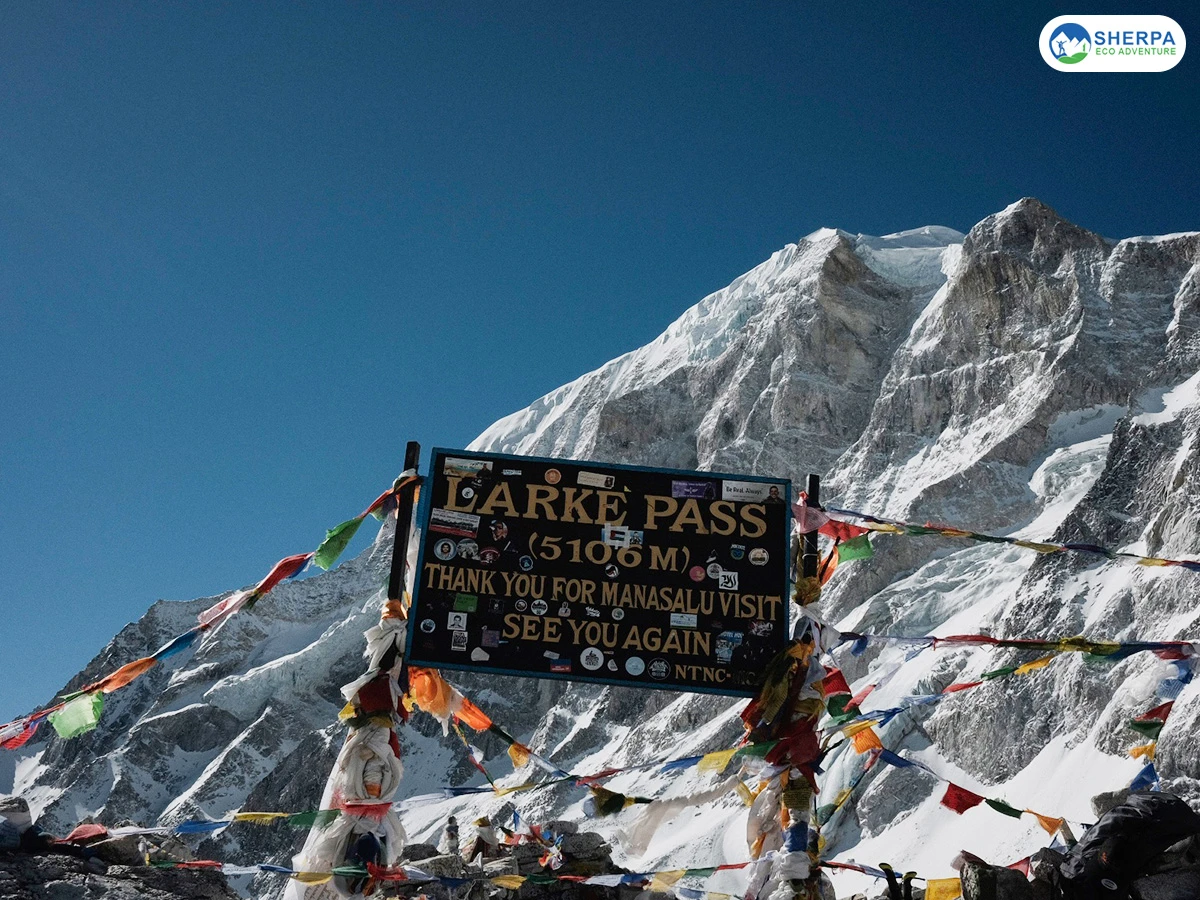
The Manaslu Circuit Trek via Tsum Valley is one of Nepal's most rewarding Himalayan journeys, combining the remote beauty of the Tsum Valley with the spectacular Manaslu Circuit. The route takes you through deep river valleys, lush forests, traditional mountain villages, ancient Buddhist monasteries, and high alpine landscapes before crossing the challenging Larkya La Pass at 5,106 meters.

This extended itinerary gives trekkers the opportunity to experience two remarkable Himalayan regions in one journey. The Tsum Valley introduces you to a culturally distinctive, Tibetan-influenced valley, while the Manaslu Circuit brings dramatic mountain scenery, high passes, and classic Himalayan trekking.

The Manaslu Circuit Trek via Tsum Valley is designed for travelers who want more than a standard circuit trek. Starting from the lower Budhi Gandaki Valley, the trail gradually climbs through subtropical forests, terraced farmland, and traditional settlements before entering the secluded Tsum Valley.

Tsum Valley is known for its ancient Buddhist heritage, stone villages, monasteries, mani walls, chortens, and strong Tibetan cultural influence. The journey reaches the Nile at 3,360 meters, with an acclimatization day allowing you to explore Mu Gompa at approximately 3,700 meters, one of the important cultural highlights of the valley.

After returning toward the Manaslu route, the trek continues through Deng, Namrung, and Shyala before reaching Sama Gaun, one of the most beautiful settlements in the Manaslu region. From here, the landscape becomes increasingly alpine as you approach Samdo, Dharmashala, and finally the demanding Larkya La Pass at 5,106 meters.

Highlights

The Manaslu Circuit Trek via Tsum Valley takes you deep into one of Nepal's most remote and culturally fascinating Himalayan regions. The journey begins with the enchanting Tsum Valley, a secluded mountain valley where Tibetan Buddhist traditions, ancient settlements, and peaceful Himalayan landscapes remain an important part of daily life. Trekking through the valley, you encounter centuries-old monasteries, chortens, prayer flags, mani walls, and traditional stone-built villages that reflect the area's rich Buddhist heritage. One of the major cultural highlights is the hike to Mu Gompa, situated high above the valley, where the tranquil surroundings and spectacular mountain scenery create a memorable Himalayan experience. 

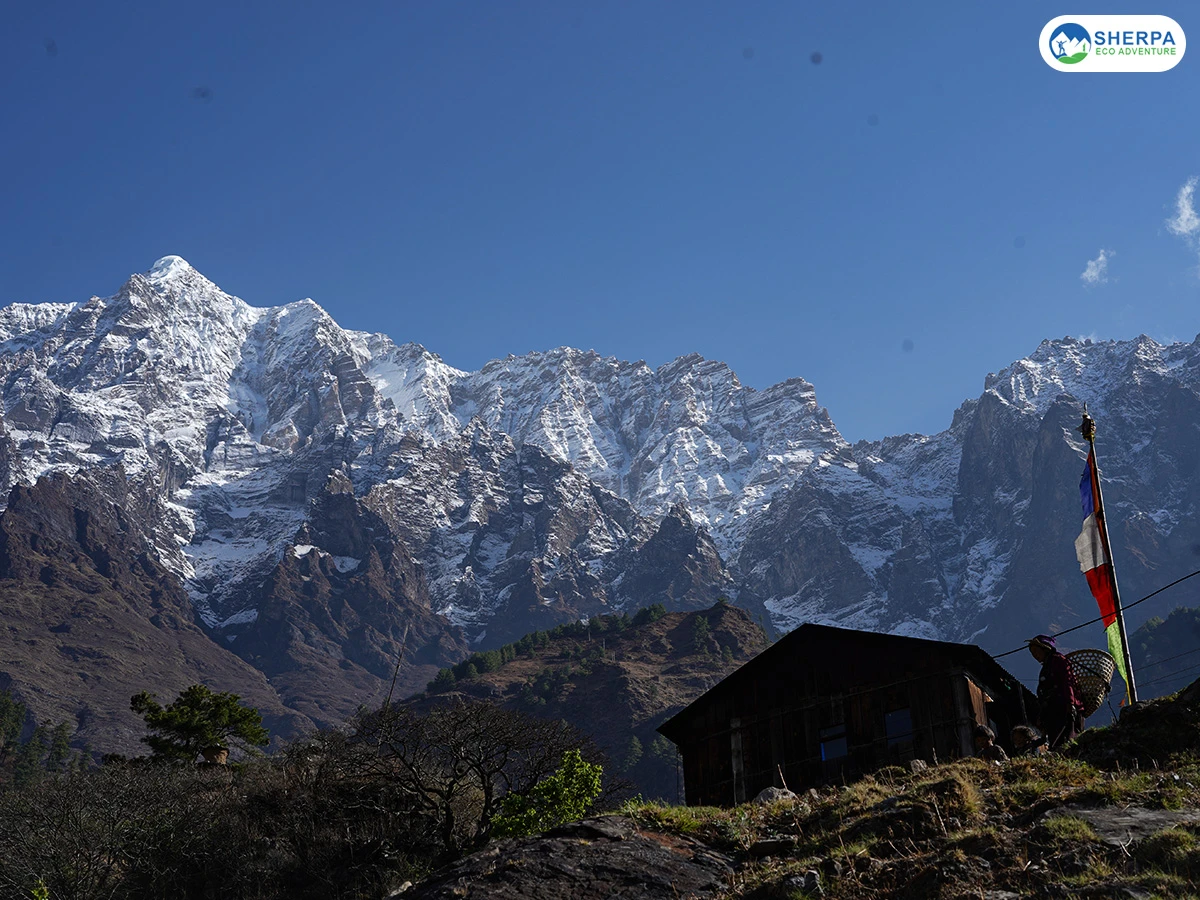
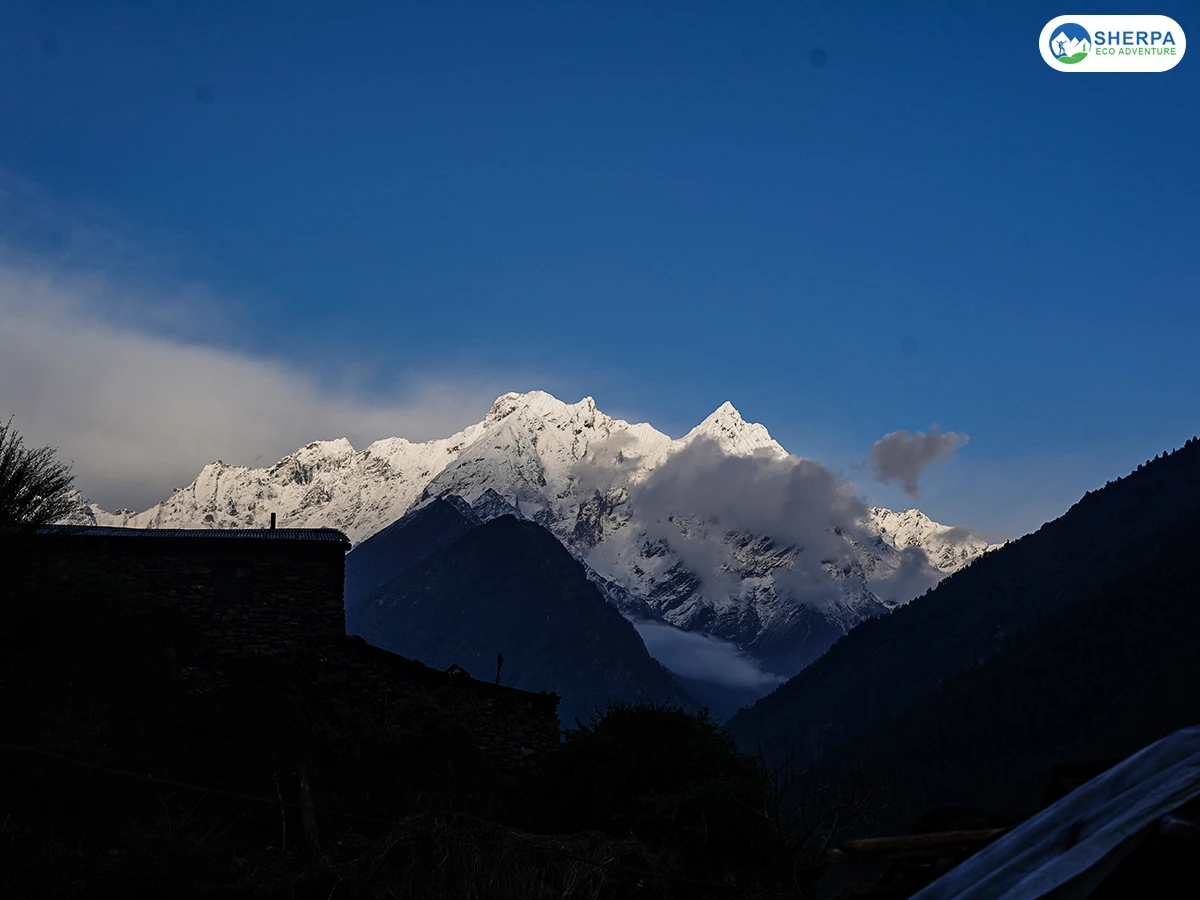
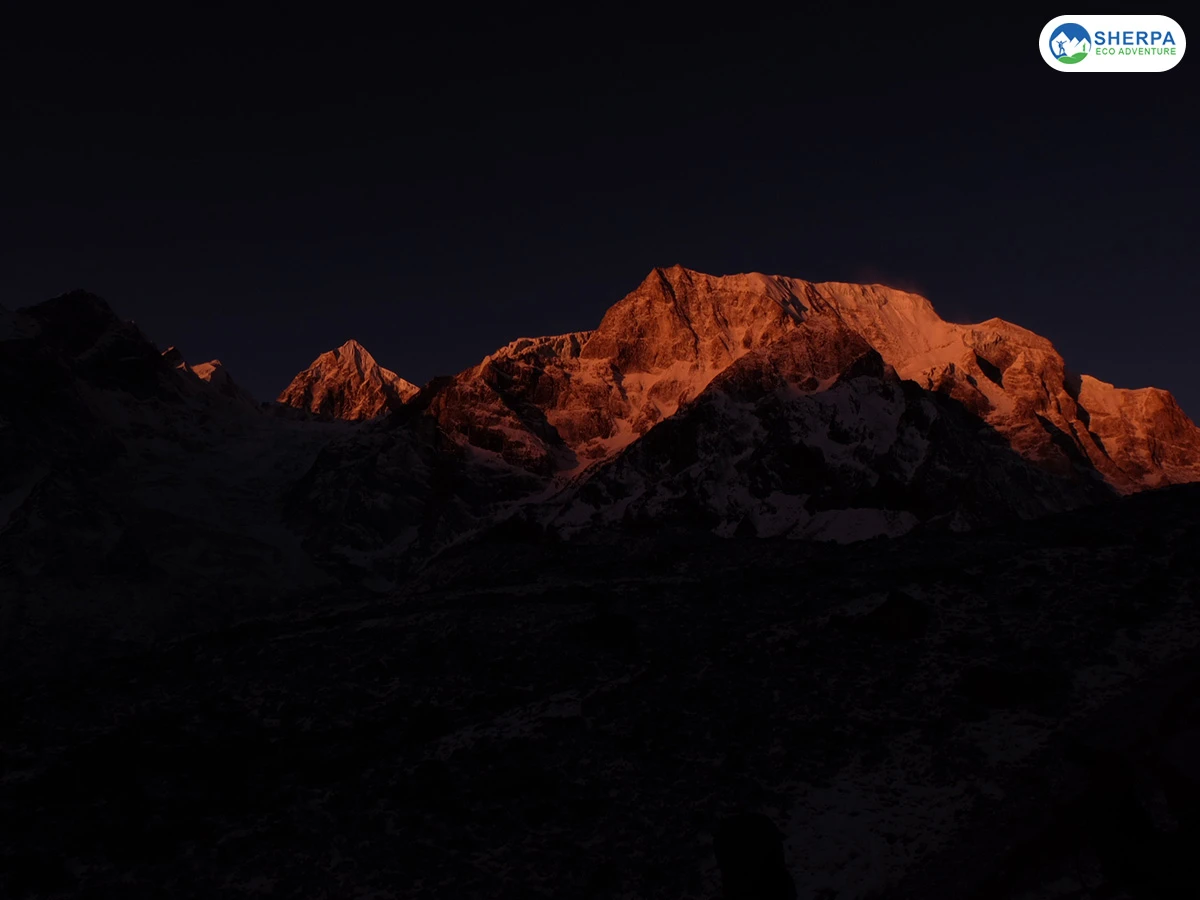
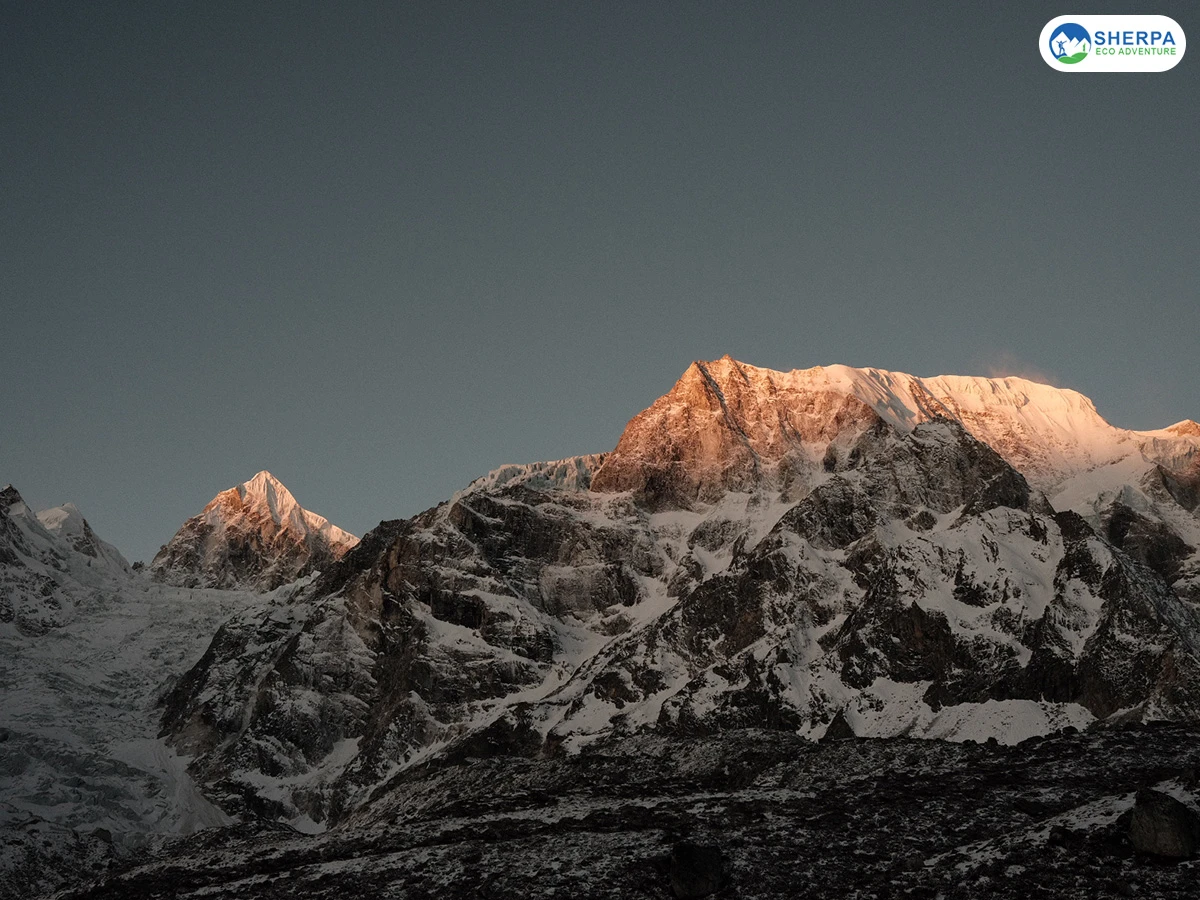
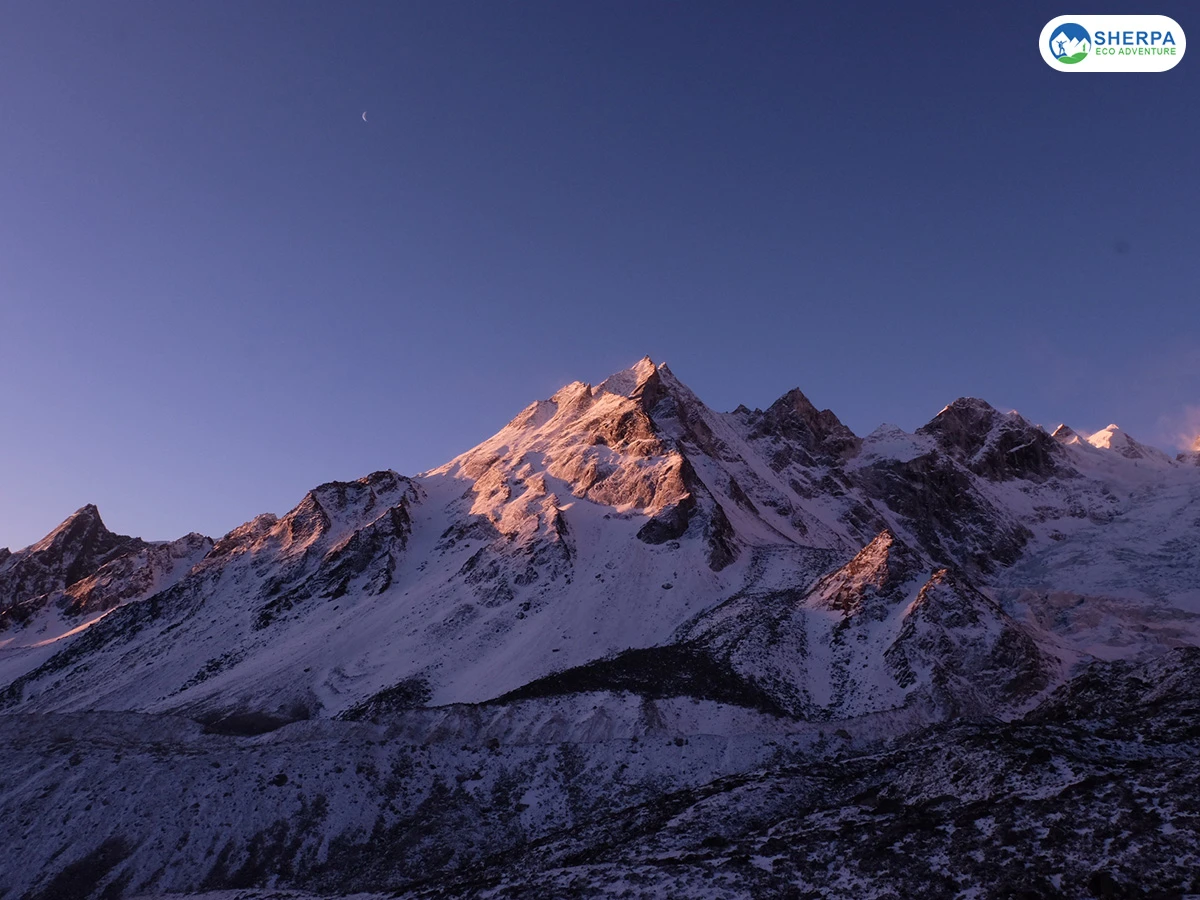
The trek combines spectacular Himalayan scenery, rich Tibetan Buddhist culture, and remote mountain landscapes. Explore the secluded Tsum Valley, ancient monasteries, chortens, mani walls, and Mu Gompa. Enjoy breathtaking views of Mt. Manaslu (8,163 m), explore Sama Gaun and Birendra Lake, and experience the rugged high-altitude landscapes of Samdo and Dharmashala. The ultimate adventure is crossing Larkya La Pass (5,106 m), followed by a scenic descent through forests and traditional villages. The trek offers an incredible mix of culture, nature, wildlife, authentic Himalayan life, and breathtaking mountain views.

What to expect during the Manaslu Circuit via Tsum Valley Trek?

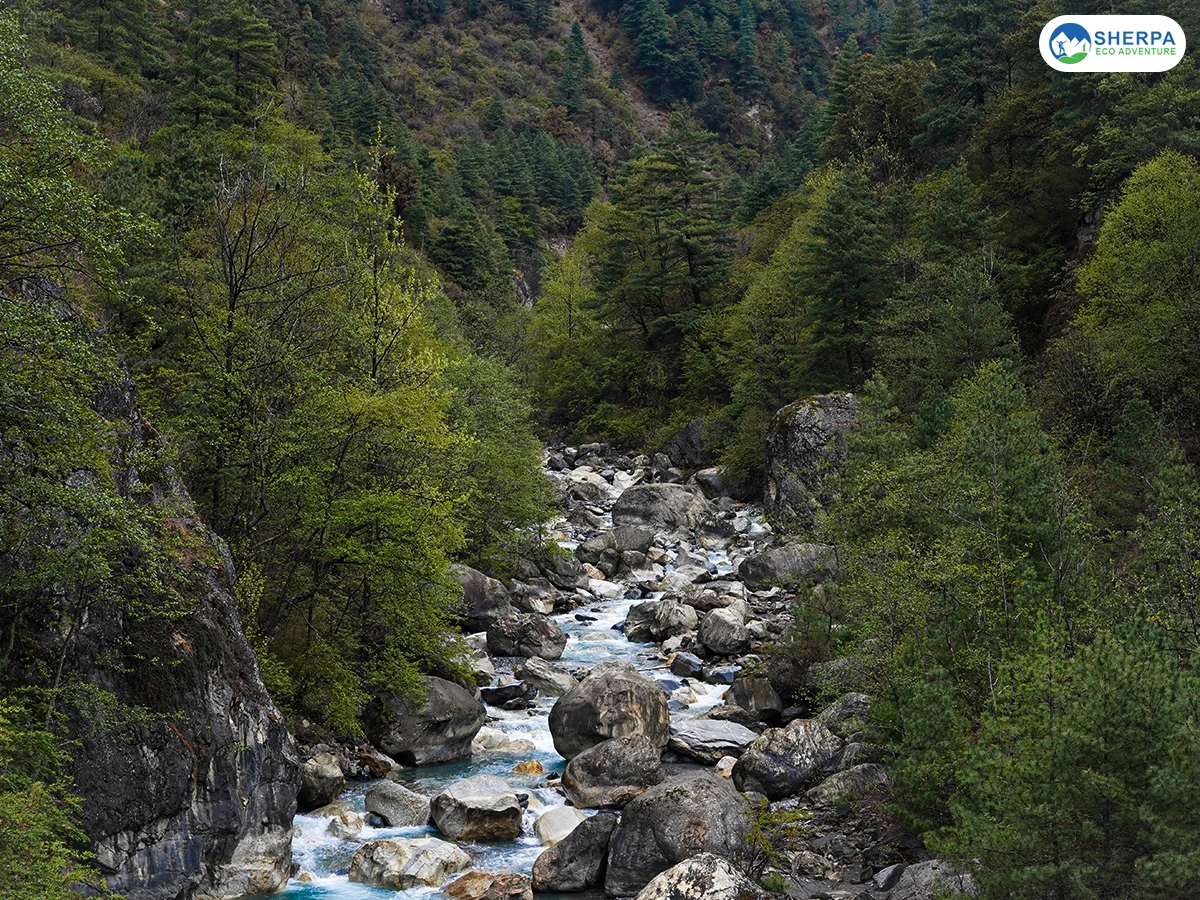
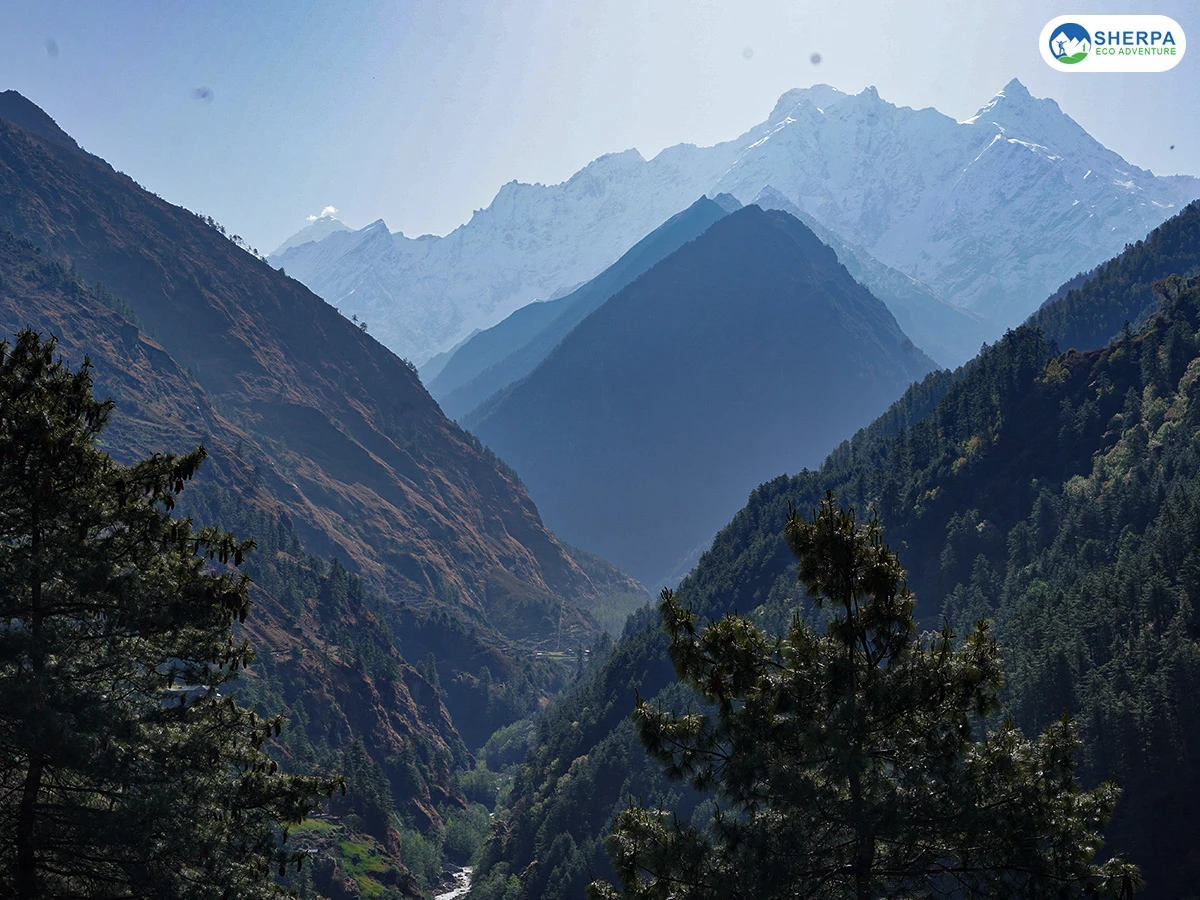
Travelers should expect a challenging but deeply rewarding Himalayan adventure with several hours of walking each day over rocky trails and steep ascents and descents, especially during the approach to Larkya La Pass. The journey takes you from green valleys, forests, rivers, waterfalls, and farmland to rugged cliffs, glaciers, and snow-covered high-altitude landscapes. Tsum Valley and the upper Manaslu region offer an authentic remote mountain experience, with traditional villages, simple teahouse accommodation, and limited facilities at higher elevations. You can enjoy local meals such as dal bhat, noodles, soups, Tibetan bread, potatoes, and vegetables, while proper hydration, a steady pace, and good acclimatization are essential. 

Along the way, you will experience Buddhist monasteries, prayer wheels, mani walls, chortens, and traditional Himalayan culture, while respecting local customs and communities. The ultimate highlight is crossing Larkya La Pass at 5,106 meters, where the physical challenge, dramatic mountain scenery, and sense of achievement make the journey truly unforgettable.

Perks of Doing the Trek with Sherpa Eco Adventure

Trekking with Sherpa Eco Adventure means having an experienced local team familiar with the Manaslu and Tsum Valley trails, local communities, and mountain conditions. We provide a carefully planned itinerary with gradual altitude gain, acclimatization, and proper rest to make your journey safer and more comfortable. Our knowledgeable guides help you understand the region's Buddhist culture, monasteries, traditions, villages, and Himalayan landscapes, while continuously supporting you on the trail.

We assist with required permits and documentation, accommodation, meals, transportation, and porter arrangements, allowing you to focus on enjoying the trek. In case of unexpected illness, injury, or emergency, our team provides appropriate emergency coordination and support. We also promote responsible and eco-conscious trekking, respect for local communities, and protection of the Himalayan environment. Most importantly, we provide personal attention, adapting to your pace, comfort, and needs so that your Manaslu and Tsum Valley adventure becomes a safe, meaningful, and memorable experience.

Day to Day Itinerary

Welcome to Nepal. Upon arrival at Tribhuvan International Airport, our Sherpa Eco Adventure team will welcome you and transfer you to your hotel. Kathmandu sits in a broad valley surrounded by green hills and is the cultural and historical gateway to the Himalayas. Depending on your arrival time, you can relax or explore the surrounding area. In the evening, we will provide a detailed trek briefing, introduce your guide and trekking team, and check your equipment and documents. This is also an opportunity to discuss altitude, weather, trekking etiquette, safety, and the journey ahead.

Max Altitude:1400 mAccommodation:Hotel

Today is dedicated to both trek preparation and exploring Kathmandu's cultural heritage. Our team will complete the necessary trekking permit arrangements that need to verify your passport with your Nepal visa and other required travel documents. We will also conduct a detailed gear check to make sure you have suitable clothing, trekking boots, a sleeping bag, a backpack, trekking poles, and other essential equipment for the Manaslu and Tsum Valley trek. Your guide will provide a final briefing covering the itinerary, altitude, safety, weather, trail conditions, and responsible trekking practices.

After the preparation, enjoy a sightseeing tour of some of Kathmandu Valley's UNESCO World Heritage Sites, such as Pashupatinath Temple, Boudhanath Stupa, Swayambhunath (Monkey Temple), and Kathmandu Durbar Square, depending on available time and your interests. This day gives you a chance to experience Nepal's rich history, architecture, spirituality, and living cultural traditions before heading into the remote Himalayas. In the evening, return to the hotel, organize your trekking bags, and prepare for the adventure ahead.

Max Altitude:1380 m Meal:BreakfastAccommodation:Hotel

After breakfast, drive toward Soti Khola, the starting point of your trek. The journey takes you away from the busy Kathmandu Valley and into Nepal's rural hill country. The road follows rivers and winding mountain slopes, passing terraced fields, forests, traditional villages, and suspension bridges. As you travel deeper into the Budhi Gandaki Valley, the geographical environment changes from developed urban surroundings to subtropical hills and narrow river valleys. The journey can be long, and the road conditions may vary, but it provides an excellent introduction to rural Himalayan life.

Max Altitude:700 m Meal:Breakfast, Lunch and DinnerAccommodation:Tea HouseDuration:7-8 Hours

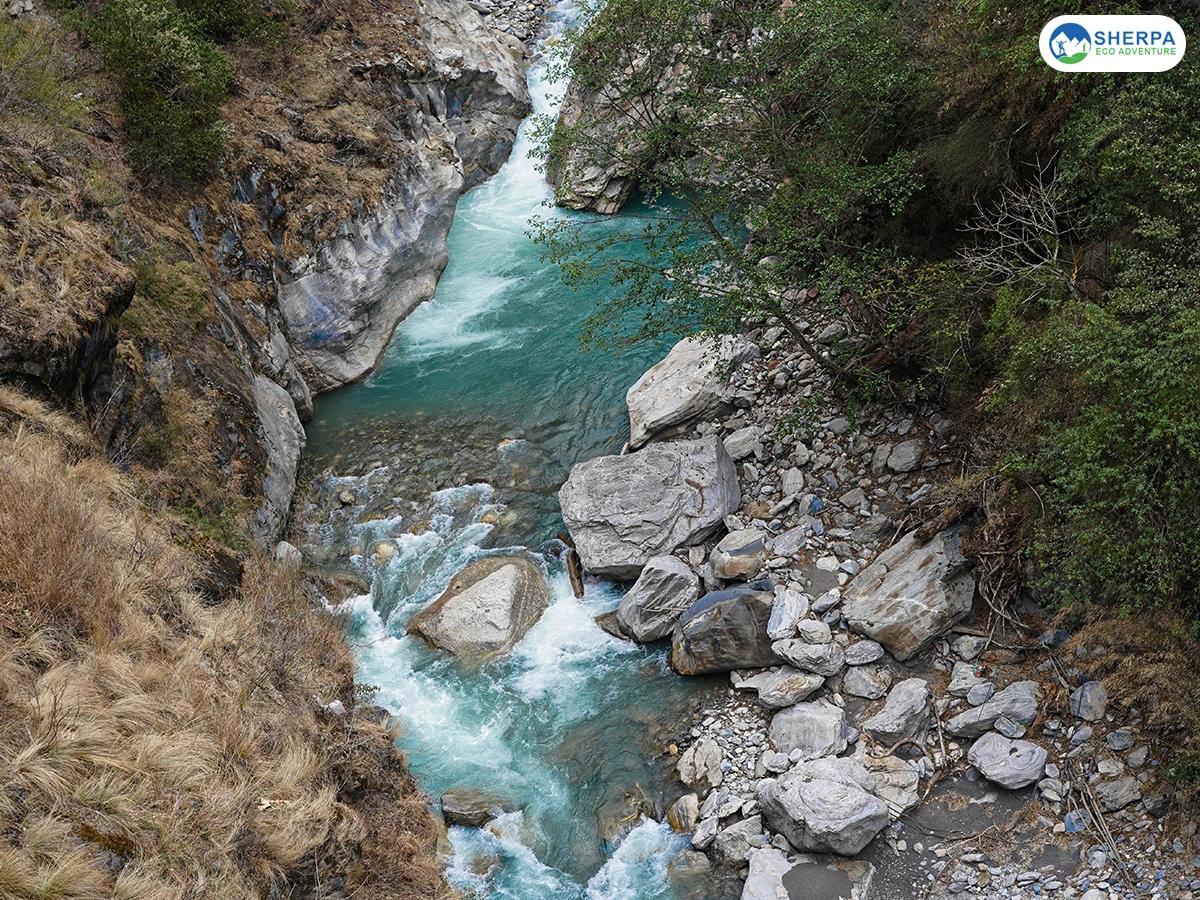
Today marks the beginning of your trekking adventure. The trail follows the Budhi Gandaki River through warm, green surroundings. You walk through subtropical vegetation, small settlements, cultivated fields, and forested sections while crossing suspension bridges and passing waterfalls. The trail is not a continuous uphill climb, with several ascents and descents along the river valley. The sound of flowing water, birds, and forest life accompanies you as you gradually enter the remote Manaslu landscape. Machha Khola is a small riverside settlement where you spend your first night on the trail. 

Max Altitude:870 Meal:Breakfast, Lunch and DinnerAccommodation:Tea HouseDuration:6-7 Hours

Continue north along the Budhi Gandaki River toward Jagat. The trail passes through forests and narrow river gorges, with sections of stone steps and suspension bridges. The landscape becomes increasingly rugged as the river cuts deeply through the surrounding mountains. You may see monkeys, birds, and butterflies in the lower forest areas, while terraced farmland provides evidence of how local communities have adapted agriculture to steep Himalayan terrain. Jagat is a traditional stone-built settlement and an important entry point into the Manaslu trekking region.

Max Altitude:1350 Meal:Breakfast, Lunch & DinnerAccommodation:Tea HouseDuration:7 Hours

Today you enter more remote mountain terrain as the trail climbs toward Lokpa. The Budhi Gandaki continues below the steep valley walls while forests cover many of the surrounding slopes. The route includes rocky sections, bridges, and ascents through dense vegetation. As you gain elevation, the temperature becomes cooler, and the landscape begins changing from subtropical vegetation toward temperate Himalayan forests. Lokpa marks the gateway to the Tsum Valley and offers the first strong feeling of entering a secluded Himalayan world.

Max Altitude:2240 m Meal:Breakfast, Lunch & LunchAccommodation:Tea HouseDuration:7 Hours

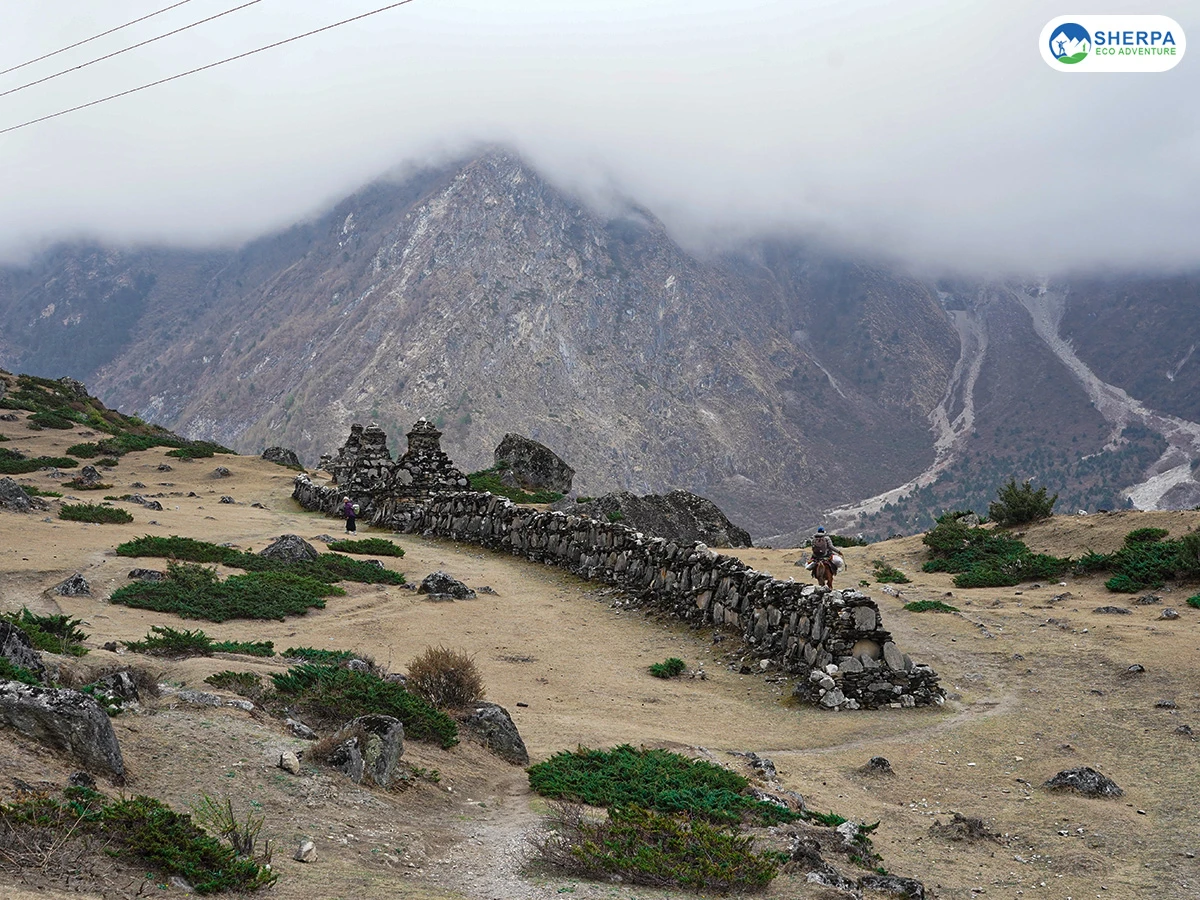
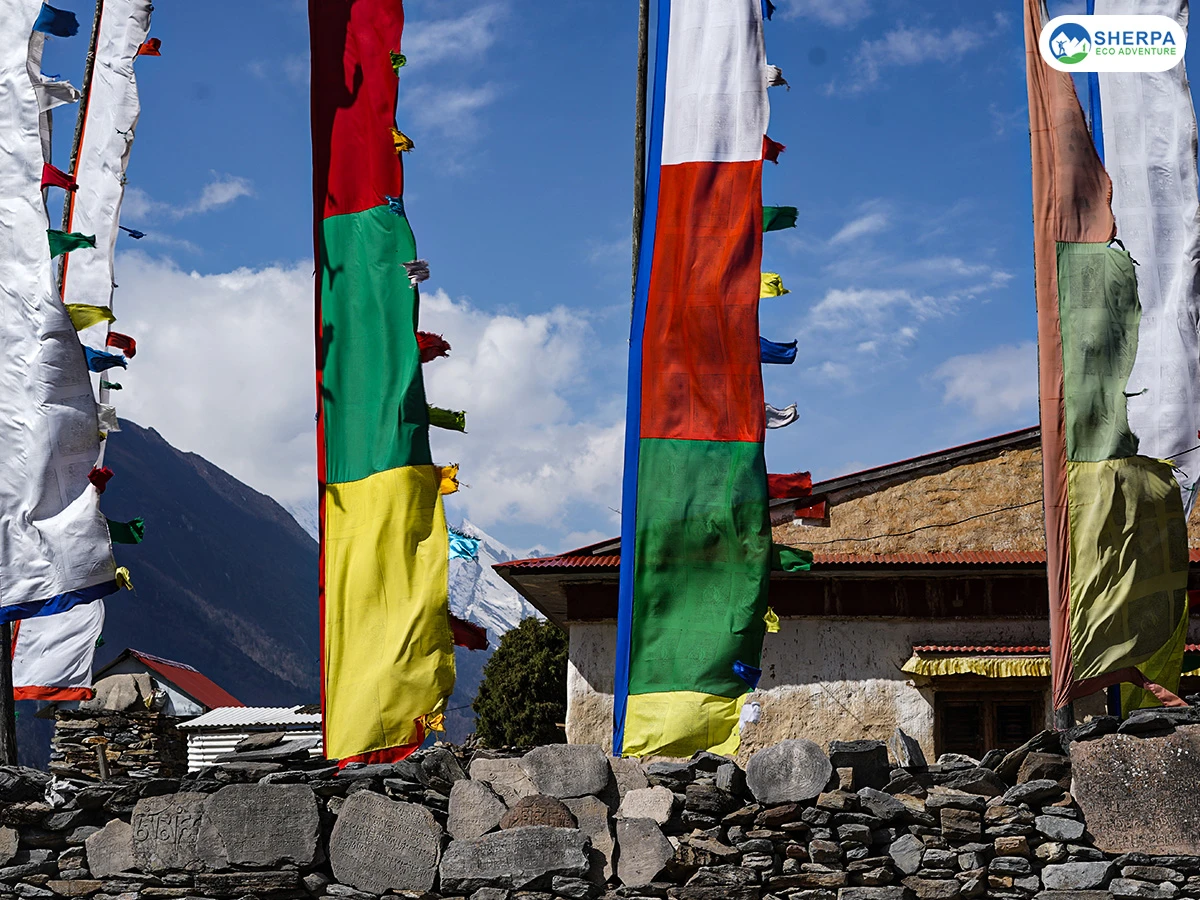
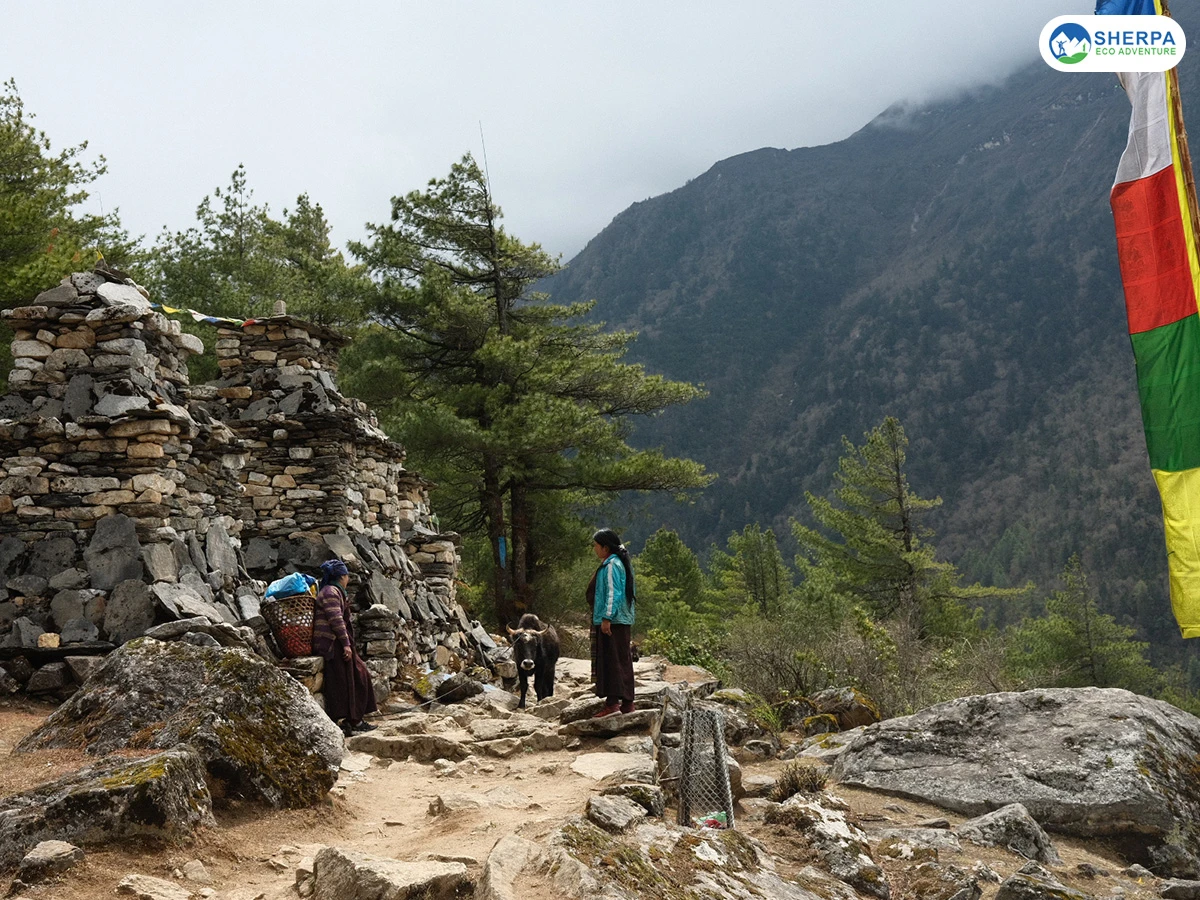
The trail turns into the culturally rich Tsum Valley today. The valley is geographically separated from the main Manaslu route by high mountain terrain and has retained a strong Tibetan Buddhist identity. As you approach Chumling, you begin to see traditional stone houses, prayer flags, mani walls, and Buddhist monuments. The surrounding hills are covered with forests while snow-covered peaks begin appearing above the valley. The shorter walking day allows you to appreciate the changing culture, architecture, and landscape.

Max Altitude:2400 Meal:Breakfast, Lunch & DinnerAccommodation:Tea HouseDuration:4 Hours

The trail continues deeper into the Tsum Valley and gradually gains altitude. The lower forests begin giving way to more alpine vegetation as the valley becomes colder and drier. Traditional settlements, cultivated fields, monasteries, and religious monuments appear along the route. The surrounding mountains become larger and more dramatic, creating a strong contrast between the narrow valley floor and high Himalayan slopes. Maintaining a steady pace is important today as your body begins adjusting to higher elevation.

Max Altitude:3150 m Meal:Breakfast, Lunch & DinnerAccommodation:Tea HouseDuration:6 hours

Continue toward the Nile, one of the highest settlements in the Tsum Valley. The landscape becomes noticeably more alpine, with fewer trees and more open rocky slopes. Traditional Tibetan-influenced architecture, prayer wheels, chortens, and mani walls remain important features of the trail. The mountains surrounding the valley become increasingly impressive, while the colder environment supports hardy alpine vegetation. At this elevation, slow walking, adequate hydration, and proper nutrition become increasingly important.

Max Altitude:3360 m Meal:Breakfast, Lunch & DinnerAccommodation:Tea HouseDuration:6 Hours

Today is dedicated to acclimatization and cultural exploration. Rather than remaining inactive, take a gradual hike toward Mu Gompa, one of the most important monasteries in the upper Tsum Valley. The trail climbs through a peaceful alpine environment with magnificent views of the surrounding mountains. Mu Gompa reflects the deep Buddhist heritage of the valley and offers an opportunity to experience the spiritual character of this remote region. After exploring the monastery and surrounding landscape, return to the Nile and rest. The day also helps your body adapt before continuing toward higher elevations.

Max Altitude:3360 m Meal:Breakfast, Lunch & DinnerAccommodation:Tea HouseDuration:4-5 Hours

Today you retrace part of the Tsum Valley trail toward Chumling. The descent provides a welcome change after several days at higher altitude. You will notice the landscape becoming greener as you lose elevation, with more forests and cultivated areas appearing along the route. Looking back toward the upper valley provides a different perspective of the mountains and settlements you previously passed. The lower altitude also gives your body another opportunity to recover before joining the main Manaslu Circuit.

Max Altitude:2400 m Meal:Breakfast, Lunch & DinnerAccommodation:Tea HouseDuration:6 Hours

Leave the Tsum Valley and reconnect with the main Manaslu Circuit route toward Deng. The trail returns to the Budhi Gandaki Valley and continues through forests, narrow gorges, and traditional settlements. The river remains a constant companion, while waterfalls and dramatic rock formations add to the scenery. The region is part of the Manaslu Conservation Area, where the combination of elevation, climate, and habitat supports diverse Himalayan flora and fauna.

Max Altitude:1860 m Meal:Breakfast, Lunch & DinnerAccommodation:Tea HouseDuration:6 Hours

The trail continues through the upper Budhi Gandaki Valley toward Namrung. As you gain elevation, the vegetation gradually changes and the surrounding mountains become increasingly prominent. You pass through traditional villages and areas influenced by Tibetan Buddhist culture. Namrung is an important settlement on the Manaslu Circuit and is known for its beautiful mountain setting. The changing architecture, prayer flags and monasteries provide a clear indication that you are entering the higher Himalayan cultural zone.

Max Altitude:2630 m Meal:Breakfast, Lunch & DinnerAccommodation:Tea HouseDuration:6 hours

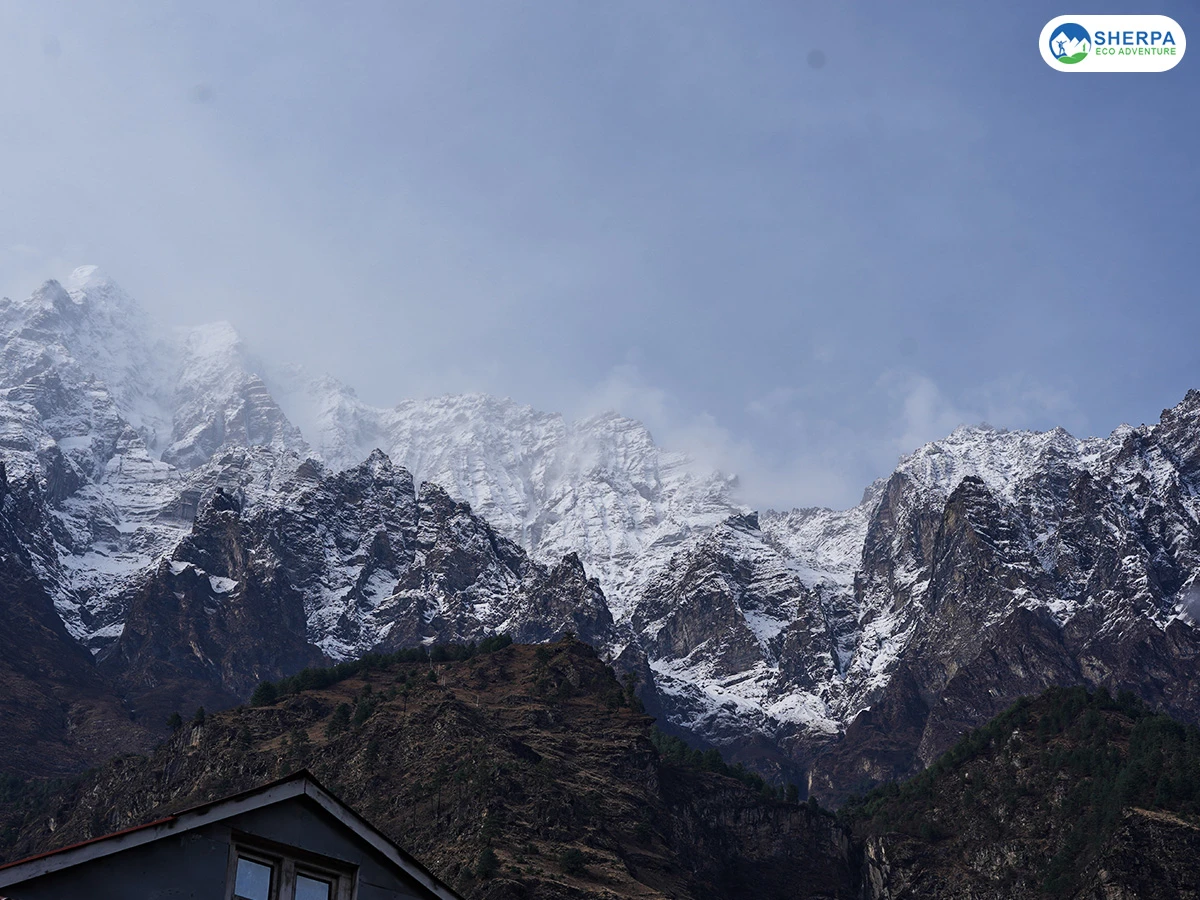
Today you enter a much more alpine environment. The trail climbs toward Shyala through changing vegetation and open mountain terrain. As you gain altitude, forests become smaller and more scattered, while snow-covered peaks dominate the horizon. Mt. Manaslu and surrounding Himalayan peaks become increasingly impressive. Shyala is beautifully positioned beneath the mountains and is one of the scenic highlights of the route. Take the day slowly and allow your body to adjust to the increasing elevation.

Max Altitude:3500 m Meal:Breakfast, Lunch & DinnerAccommodation:Tea HouseDuration:6 Hours

This is one of the most spectacular days of the journey. The trail climbs toward Pungen Gompa, surrounded by an impressive Himalayan panorama. The higher landscape is characterized by alpine meadows, rocky slopes, glaciers, and snow-covered peaks. The area also reflects the strong spiritual connection between mountain communities and Buddhism. After exploring Pungen Gompa, descend toward Sama Gaun. The approach to Sama Gaun opens into a broad mountain landscape surrounded by some of the most impressive peaks in the Manaslu region. 

Max Altitude:3530 m Meal:Breakfast, Lunch & DinnerAccommodation:Tea HouseDuration:6-7 Hours

Today is an important acclimatization and exploration day. From Sama Gaun, hike toward Birendra Lake, a beautiful glacial lake surrounded by dramatic Himalayan scenery. The route provides views of glaciers, rocky slopes, and towering peaks. Instead of gaining significant overnight altitude, you return to Sama Gaun to sleep at the same elevation. This active acclimatization approach helps prepare your body for the higher sections toward Samdo and Larkya La while giving you time to experience the spectacular landscape around Sama Gaun.

Max Altitude:3550 m Meal:Breakfast, Lunch & DinnerAccommodation:Tea HouseDuration:4 Hours

Leave Sama Gaun and continue toward Samdo. The environment becomes noticeably drier and more barren as you move deeper into the high Himalayas. Trees become increasingly scarce, replaced by hardy grasses, shrubs, and alpine vegetation. The trail follows broad mountain slopes with spectacular views of glaciers and surrounding peaks. Samdo is a traditional high-altitude settlement situated close to the Tibetan border and represents one of the highest permanently inhabited areas of the journey.

Max Altitude:3875 m Meal:Breakfast, Lunch & DinnerAccommodation:Tea HouseDuration:4 Hours

Today's trail takes you further into the high-altitude zone toward Dharmashala, also known as Larkya Phedi. Vegetation is now extremely limited, and the landscape is dominated by rocks, glaciers, snow, and towering mountains. The air becomes thinner, making every step more demanding. The relatively short trekking distance allows you to arrive earlier, rest, and prepare mentally and physically for the following day's Larkya La crossing. This is an important night to stay hydrated, eat well, and follow your guide's advice.

Max Altitude:4470 m Meal:Breakfast, Lunch & DinnerAccommodation:Tea House/TentDuration:5 Hours

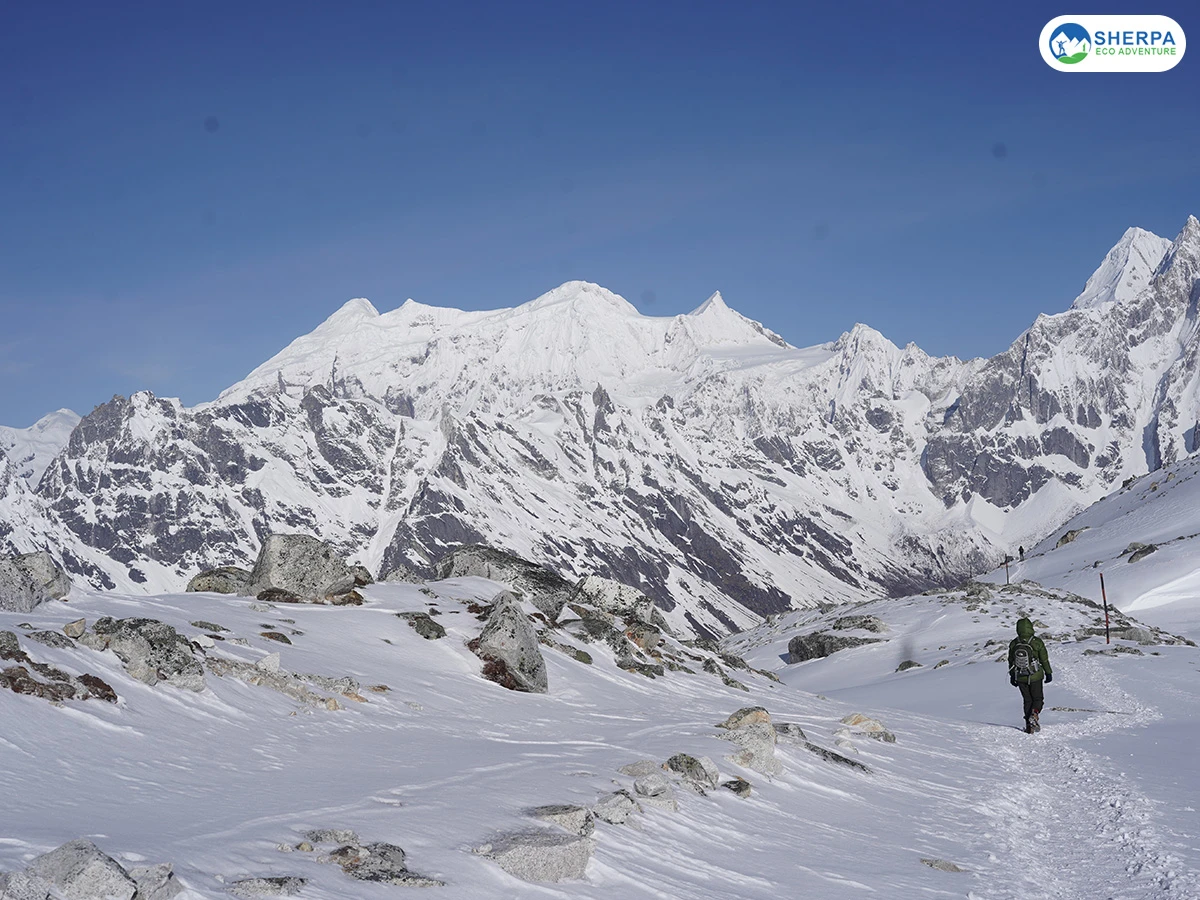
Today is the most challenging and rewarding day of the trek. An early start is essential. The trail climbs gradually through the high-altitude landscape toward Larkya La Pass at 5,106 meters, the highest point of the journey. Depending on the season, you may encounter snow, ice, and difficult trail conditions. The climb requires patience, proper pacing, and determination.

Reaching the pass is a major achievement. From the top, you can experience spectacular Himalayan views across the surrounding mountain ranges and glacial valleys. After celebrating the achievement, begin the long descent toward Bhimthang. The landscape changes dramatically as barren high-altitude terrain gradually gives way to greener slopes and forests. Arriving at Bhimthang after this demanding day brings a powerful feeling of accomplishment.

Max Altitude:3700 m Meal:Breakfast, Lunch & DinnerAccommodation:Tea HouseDuration:8-9 Hours

The dramatic descent continues today. The landscape becomes greener with the rapid loss of elevation. Pine, rhododendron, and other forest species return, while birds and other wildlife become more noticeable. The trail passes through peaceful forest sections and traditional settlements. After the cold and barren high-altitude environment, the warmer forested surroundings provide a refreshing change and a chance to relax after crossing Larkya La.

Max Altitude:2535 m Meal:Breakfast, Lunch & DinnerAccommodation:Tea HouseDuration:6 Hours

Continue downhill toward Tilche through forests, cultivated areas, and traditional mountain settlements. The trail follows the lower mountain landscape where agriculture becomes more prominent. After reaching Tilche, continue by road toward Besisahar. The rapid decrease in elevation creates another dramatic geographical transition, from high Himalayan terrain to the warmer middle hills. Besisahar marks the end of the remote trekking section of the journey.

Max Altitude:760 m Meal:Breakfast, Lunch & DinnerAccommodation:HotelDuration:6 Hours

After breakfast, drive back toward Kathmandu. The road follows rivers and winding hill roads through terraced farmland, villages, and settlements. As you approach the Kathmandu Valley, the landscape gradually becomes more developed. Upon arrival, transfer to your hotel and enjoy a comfortable evening after completing the Manaslu Circuit via Tsum Valley.

Max Altitude:1380 m Meal:Breakfast, LunchAccommodation:HotelDuration:6-7 Hours

This additional day provides valuable flexibility for your journey. Mountain trekking can be affected by changing weather, trail conditions, road delays, flight disruptions, or other unexpected circumstances, so having a contingency day helps protect the overall itinerary. If the trek is completed as scheduled, you can use this extra day to relax, explore Kathmandu’s cultural heritage, shop for souvenirs, or simply enjoy some well-deserved rest.

In the evening, we will gather for a special farewell dinner with the trekking team, sharing stories and memories and celebrating the successful completion of your Himalayan adventure.

Max Altitude:1380 m Meal:BreakfastAccommodation:Hotel

Your Manaslu Circuit Trek via Tsum Valley comes to an end today. Depending on your flight schedule, our team will transfer you to Tribhuvan International Airport for your onward journey. As you leave Nepal, you take home memories of remote Himalayan villages, Buddhist monasteries, ancient traditions, spectacular mountain landscapes, Tsum Valley, Sama Gaun, Birendra Lake, and the unforgettable crossing of Larkya La Pass.

Meal:Breakfast
Customize Trip
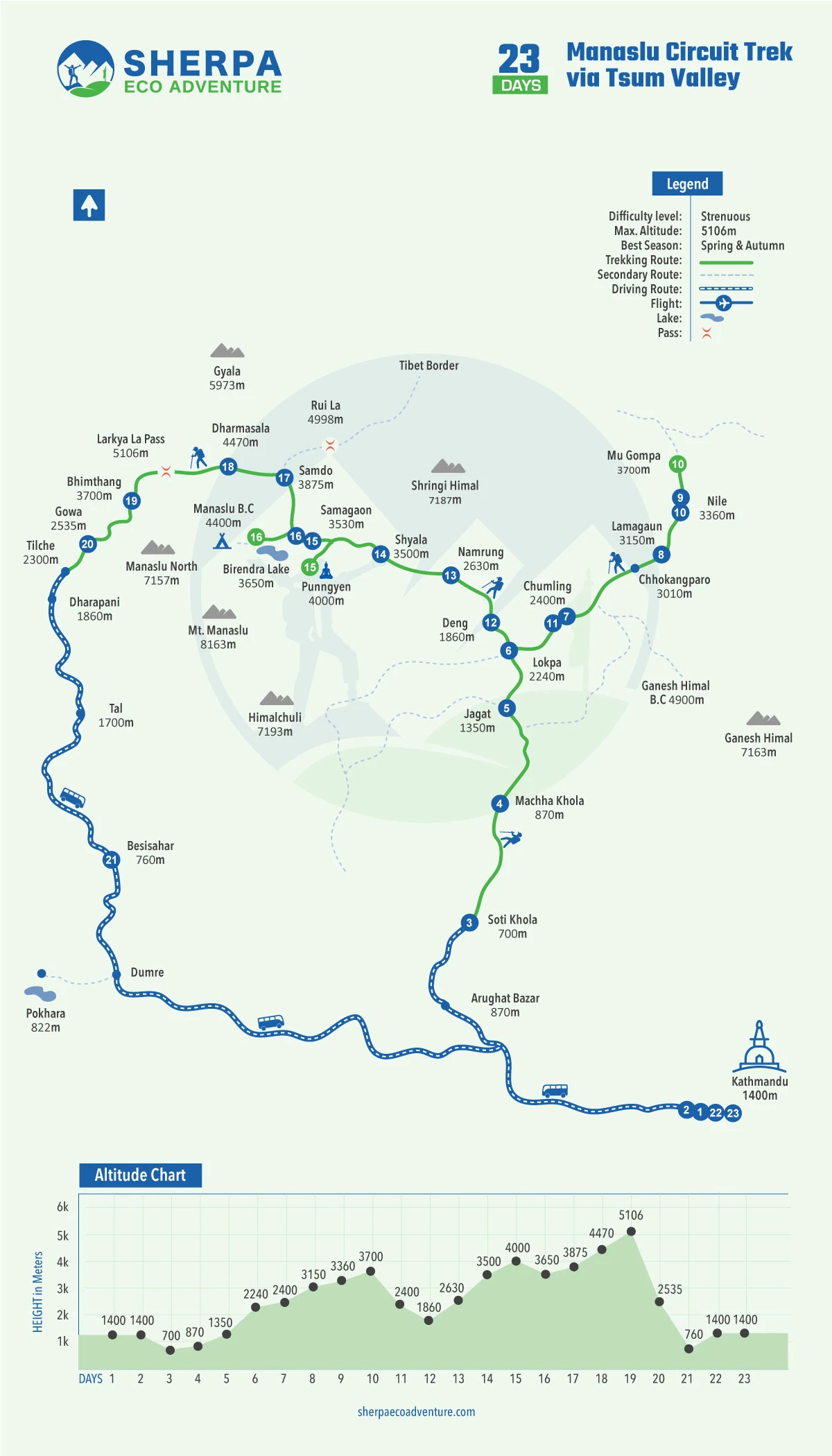
Route Map
Manaslu Circuit Trek via Tsum Valley map
Trip Service Details
Included
  • Pick up and drop off for international arrival/departure private vehicle.
  • Hotel in Kathmandu for 4 nights on the BB plan.
  • One-night hotel in Besisahar. 
  • Private vehicle to drop Soti Khola.
  • Main course food (breakfast, lunch, and dinner) during trekking in the Manaslu area.
  • Transportation: Kathmandu to Sotikhola and Besisahar to Kathmandu private vehicle.
  • Private jeep transportation from Tilche to Besisahar.
  • Three times hot tea during the trek in the Manaslu area.
  • Manaslu Conservation Area Project permit.
  • Annapurna Conservation Area Project permit.
  • Restricted Area Permit (RAP) for the Manaslu region.
  • Sherpa Eco Adventure’s proficient, government-certified, English-speaking trekking Sherpa guides' salary, insurance, and food and accommodation.
  • Porter to carry the duffel bag during the trekking in the mountain. 
  • Accommodation during the trek in the mountain.
  • A certificate of appreciation was awarded upon the successful completion of the trek.
  • An oximeter to monitor oxygen and pulse levels is advantageous for all trekkers, helping them stay informed about the risk of high-altitude sickness during mountain treks.
  • Farewell dinner at a typical Nepali restaurant featuring a Nepali authentic culture show.
  • Sherpa Eco Adventure Duffel bag, cap, and trekking t-shirt.
  • All government, local taxes (VAT), and official expenses.
Excluded
  • Nepal entry visa fees (a day tourist visa is available at Kathmandu Airport upon arrival for USD 30).
  • A variety of beverages, encompassing both alcoholic and non-alcoholic options, along with hot and cold drinks.
  • Additional accommodation and meals due to delays may affect the itinerary of this trekking program.
  • Unforeseen expenses beyond our control may arise due to factors such as the landscape, weather conditions, illness, changes in government policies, strikes, physical conditions, and similar variables.
  • Individual expenditures, including snacks, laundry, phone usage, Wi-Fi, hot showers, etc., incurred at tea houses during the trek.
  • The travel insurance must include coverage for emergency rescue evacuations from elevations of up to 6,000 meters.
  • Individual trekking gear is required for this expedition.
  • Tipping and expressing gratitude to guides and staff, as per the recommendation of Nepali culture.
  • Additional expenses are not covered in the Price Inclusive section of this trek.
Dates & Availability
Starts:Oct 19, 2026Ends:Nov 10, 2026
PriceUS$1649
AvailabilityGuaranteed
Starts:Oct 21, 2026Ends:Nov 12, 2026
PriceUS$1649
AvailabilityGuaranteed
Starts:Oct 23, 2026Ends:Nov 14, 2026
PriceUS$1649
AvailabilityGuaranteed
Starts:Oct 25, 2026Ends:Nov 16, 2026
PriceUS$1649
AvailabilityGuaranteed
Starts:Oct 27, 2026Ends:Nov 18, 2026
PriceUS$1649
AvailabilityGuaranteed
Starts:Oct 29, 2026Ends:Nov 20, 2026
PriceUS$1649
AvailabilityGuaranteed
Additional Info

Trek Distance

The 16-day Manaslu Circuit Trek via Tsum Valley covers approximately 180–200 km (112–124 miles) of trekking, depending on the exact route, side trips, and acclimatization excursions. The trail passes through lower river valleys, traditional villages, forests, alpine meadows, and high mountain terrain. Most trekking days involve around 8–15 km of walking, although the distance varies according to altitude and trail conditions. The route includes challenging sections around the upper Manaslu region and the crossing of Larkya La Pass at 5,106 m. Overall, the distance is manageable for well-prepared trekkers but requires good stamina and endurance.

Difficulty Level and Terrain

The Manaslu Circuit via Tsum Valley is considered a challenging to strenuous trek because of its long duration, changing terrain, and high-altitude sections. The trail includes stone steps, suspension bridges, narrow paths, rocky sections, forest trails, river valleys, steep ascents, and long downhill stretches. The Tsum Valley section adds additional walking before joining the main Manaslu Circuit, making the journey more demanding than the standard circuit. Near Larkya La, trekkers encounter steep and rugged alpine terrain where snow and ice may be present depending on the season. Good physical fitness, preparation, and a steady walking pace are important.

Altitude Sickness

Altitude sickness is one of the main concerns on the Manaslu and Tsum Valley trek because the route gradually reaches elevations above 5,000 m. Symptoms can include headache, nausea, dizziness, tiredness, loss of appetite, and difficulty sleeping. The risk increases when gaining altitude too quickly, so trekkers should take acclimatization seriously and inform their guide immediately if they feel unwell. Severe symptoms such as confusion, difficulty walking, or breathing problems require immediate descent and medical attention. Proper acclimatization and listening to your body are more important than trying to maintain a fixed schedule.

Preventive Measures

The best way to reduce the risk of altitude sickness is to ascend gradually, stay hydrated, eat regularly, sleep adequately, and allow your body enough time to acclimatize. Avoid excessive alcohol and smoking at higher elevations, and maintain a comfortable walking pace rather than rushing. Your guide should monitor your condition throughout the trek and adjust the itinerary if necessary. Carrying appropriate medication recommended by a qualified medical professional and having travel insurance that covers high-altitude trekking and emergency evacuation is also advisable.

Previous Trekking Experience

Previous trekking experience is highly recommended for the Manaslu Circuit via Tsum Valley, although experienced beginners with good fitness can undertake the trek with proper preparation and professional guidance. Experience with multi-day hikes, steep ascents, uneven trails, and long walking days will make the journey more comfortable. Trekkers should be prepared for several consecutive days of walking and changing weather conditions. Experience at altitude is particularly useful, but it is not a guarantee against altitude sickness. A professional guide and suitable acclimatization schedule can provide additional support for less-experienced trekkers.

Trek Preparation

Good preparation is essential for enjoying this trek safely and comfortably. Start physical training several weeks or months before departure with regular walking, hiking, stair climbing, cardio exercises, and strength training for your legs and core. Practice carrying a daypack and gradually increase the duration and elevation of your training hikes. Prepare suitable clothing and equipment for cold, rain, snow, and changing mountain conditions. It is also important to prepare mentally for long walking days, basic mountain facilities, and the possibility of changes caused by weather or trail conditions.

Best Time to Do the Manaslu Trek via Tsum Valley

Spring

Spring, March to May, is one of the best seasons for the Manaslu Circuit via Tsum Valley. The weather is generally stable, temperatures become more comfortable, and mountain visibility is often excellent. Rhododendron forests bloom in many areas, adding beautiful colors to the landscape. Higher sections can still have snow, particularly around Larkya La, especially early in the season. Spring is ideal for trekkers who want a combination of good mountain views, pleasant temperatures, and vibrant natural scenery.

Autumn

Autumn, September to November, is generally considered the best trekking season in Nepal, including the Manaslu and Tsum Valley route. After the monsoon, the skies are usually clearer, the trails are generally drier, and visibility of the surrounding mountains is excellent. October and November are particularly popular because of stable weather and comfortable trekking conditions. The villages and trails can be busier than in other seasons, but the magnificent Himalayan views make autumn an excellent choice for this trek.

Summer/Monsoon

Summer and monsoon, June to August, are less favorable for the Manaslu Circuit via Tsum Valley because of frequent rainfall, slippery trails, landslides, muddy sections, and cloudy mountain views. Leeches may also be encountered in lower, wetter areas. Some roads and trail sections can become difficult because of heavy rain, and transportation delays are possible. However, the Tsum Valley and Manaslu region can still be visited with careful planning, appropriate rain gear, flexible schedules, and experienced local guides.

Winter

Winter, December to February, is possible but demanding, particularly in the high-altitude sections. Temperatures can become extremely cold, and heavy snowfall may make Larkya La Pass and other high trails difficult or temporarily inaccessible. Tea houses at higher elevations may have limited services or seasonal closures. Trekkers choosing winter should have strong cold-weather equipment, appropriate experience, and a flexible itinerary. Winter rewards those who are prepared with quieter trails, crisp mountain views, and a peaceful Himalayan atmosphere.

Accommodation and Meals

Accommodation

Accommodation during the Manaslu Circuit via Tsum Valley is generally provided in local tea houses and mountain lodges. Facilities become more basic as you travel toward higher elevations, but most tea houses provide a clean and comfortable place to rest after a long day. Rooms are usually simple and designed primarily for sleeping rather than luxury. Staying in locally operated lodges also provides an opportunity to experience the hospitality, culture, and daily life of mountain communities.

Rooms and Washrooms

Most tea houses provide twin-sharing rooms with simple beds, mattresses, blankets, and pillows. At higher elevations, rooms are usually more basic and may not have heating inside the bedroom. Washrooms can be either shared or private depending on the lodge and location, with more basic facilities at higher elevations. Toilets may be Western-style or squat-style, and facilities can become increasingly limited as you gain altitude. Trekkers should carry their own toiletries and toilet paper.

Hot Shower

Hot showers are available at many lower and mid-altitude tea houses, usually for an additional charge. As the trail climbs higher, hot showers become less common because of limited water, fuel, and electricity. Some lodges may provide bucket showers instead of a conventional shower. It is useful to carry wet wipes and basic hygiene supplies for days when a proper shower is unavailable.

Breakfast

Breakfast is normally served at the tea house before starting the day's trek. Common options include porridge, eggs, Tibetan bread, pancakes, toast, noodles, potatoes, tea, coffee, and other simple local or continental dishes. A nutritious breakfast provides important energy for the long walking day ahead. At higher elevations, food choices may become more limited because supplies must be transported from lower areas.

Lunch and Dinner

Lunch is usually taken at a tea house or local restaurant along the trail, while dinner is served at the lodge where you spend the night. Typical meals include dal bhat, rice, lentils, vegetables, noodles, pasta, soup, potatoes, momo, and other simple dishes. Dal bhat is particularly popular because it provides carbohydrates, protein, and vegetables and can often be refilled. Meals become simpler and more expensive at higher elevations due to transportation and supply difficulties.

Drinking Water and Beverages

Safe drinking water is important throughout the trek. Bottled water, boiled water, and filtered water may be available at tea houses, while trekkers can also use purification tablets or a suitable water filter. It is recommended to carry a reusable water bottle or hydration system to reduce plastic waste. Tea, coffee, hot lemon, ginger tea, and other warm beverages are commonly available, especially in colder and higher areas. Staying well hydrated is particularly important when trekking at altitude.

Travel Insurance

Comprehensive travel insurance is strongly recommended for the Manaslu Circuit via Tsum Valley. Your policy should specifically cover trekking at the maximum altitude of the itinerary and include emergency medical treatment and helicopter evacuation, if required. Before traveling, carefully check the policy's altitude limit, exclusions, evacuation conditions, and claim procedures. Insurance provides important financial protection if an unexpected medical emergency, injury, flight disruption, or other covered travel problem occurs.

Passport and Visa

International travelers need a valid passport and a Nepal visa to enter Nepal, unless they are eligible for an applicable exemption. Your passport should have sufficient validity and blank pages for immigration requirements. The Manaslu and Tsum Valley trek also requires special trekking permits because parts of the route fall within a restricted trekking area. Sherpa Eco Adventure can assist with the necessary trekking permits and help organize the required documentation as part of the trekking arrangements.

Money Exchange

Nepalese rupees are used throughout the trekking region, and it is advisable to exchange sufficient money before starting the trek. ATMs and reliable money-exchange facilities are limited or unavailable in many remote mountain villages. You should carry enough cash for personal expenses, beverages, hot showers, charging, snacks, and other purchases. Carrying some emergency cash separately from your main wallet is also a sensible precaution.

Tips

Tipping is customary in Nepal's trekking industry and is generally given at the end of the trek to guides, porters, and other supporting staff. The amount is not strictly fixed and should reflect the quality of service, group size, trek difficulty, and your personal satisfaction. Many trekkers provide a collective tip to the trekking team rather than tipping after every day. Your trekking company can explain the customary tipping practice before the journey so you can plan accordingly.

Luggage

For the trek, your main luggage is normally carried by porters, while you carry a smaller daypack containing essential personal items, water, snacks, documents, and valuables. Pack light and bring only what you genuinely need because porter weight limits apply. A duffel bag is generally more practical than a hard suitcase for mountain travel. Keep important documents, money, electronics, and medication in your daypack rather than placing them in your main luggage.

Personal Expenses

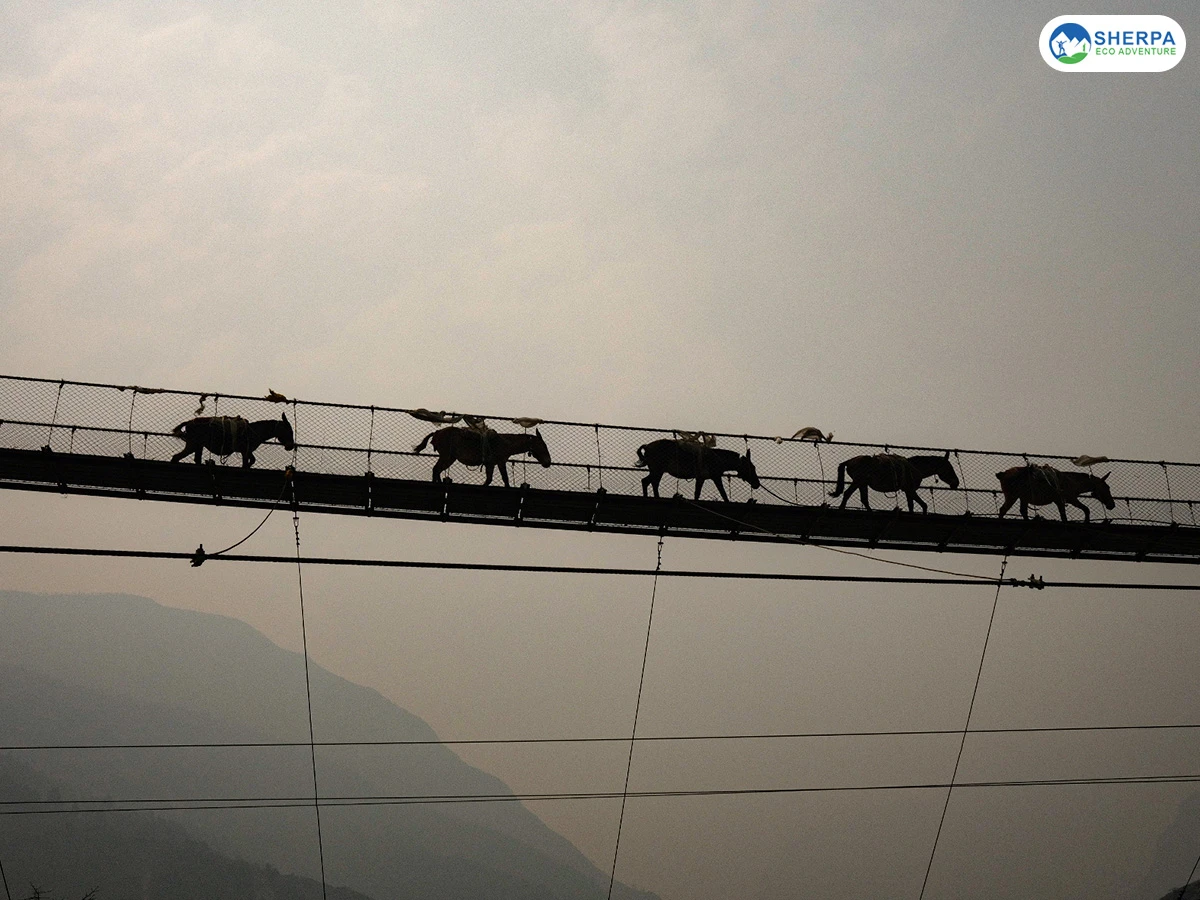
Personal expenses are generally separate from the main trekking package and may include bottled or treated water, beverages, snacks, hot showers, Wi-Fi, charging, laundry, extra food, souvenirs, tips, and other personal purchases. Costs can increase at higher elevations because supplies are transported long distances by porter or mule. It is therefore advisable to carry sufficient Nepalese cash before leaving the main city. Having a small emergency fund is also recommended for unexpected expenses or itinerary changes.

FAQs

The Manaslu Circuit via Tsum Valley Trek is a challenging Himalayan adventure that combines the remote and culturally rich Tsum Valley with the spectacular Manaslu Circuit. The trek takes you through traditional villages, Buddhist monasteries, lush forests, deep river valleys, alpine landscapes, and dramatic Himalayan scenery. The journey also includes the crossing of Larkya La Pass at 5,106 m, making it a rewarding experience for adventure-loving trekkers.

A typical itinerary takes around 16 to 20 days, depending on the starting and ending points, acclimatization days, side trips, and transportation arrangements. A well-planned 16-day itinerary is possible for experienced and physically fit trekkers. 

Previous high-altitude trekking experience is recommended but not always essential. Trekkers with good fitness, determination, and proper preparation can complete the route with an experienced guide. Previous experience with multi-day hiking and steep mountain terrain will make the trek considerably easier.

Yes. Altitude sickness is a potential risk because the trek reaches elevations above 5,000 m. Proper acclimatization, gradual ascent, adequate hydration, nutritious meals, sufficient rest, and maintaining a comfortable pace help reduce the risk. Any symptoms of altitude sickness should be reported to your guide immediately.

The best seasons are spring (March to May) and autumn (September to November). Autumn generally offers clear skies and excellent mountain visibility, while spring provides pleasant weather and blooming rhododendrons. Winter is colder and more challenging, while the monsoon season can bring rain, slippery trails, landslides, and limited mountain visibility.

The best seasons are spring (March to May) and autumn (September to November). Autumn generally offers clear skies and excellent mountain visibility, while spring provides pleasant weather and blooming rhododendrons. Winter is colder and more challenging, while the monsoon season can bring rain, slippery trails, landslides, and limited mountain visibility.

Accommodation is mainly in local tea houses and mountain lodges. Rooms are generally simple twin-sharing rooms with beds, mattresses, blankets, and pillows. Facilities become more basic at higher elevations.

Most tea houses have shared bathrooms, while some provide private facilities. Hot showers are available in many lower and mid-altitude villages for an additional charge. At higher elevations, facilities become more basic, and hot showers may be limited or unavailable.

Yes. Comprehensive travel insurance is strongly recommended. Your policy should cover high-altitude trekking, emergency medical treatment, evacuation, and helicopter rescue up to the maximum altitude of your itinerary. Check the policy carefully before departure.

Yes. The Manaslu and Tsum Valley areas require special trekking permits, including restricted-area permits for applicable sections, along with other required conservation or trekking permits. These are normally arranged by the trekking agency before the trek.

The Manaslu and Tsum Valley region has special permit and guide requirements, so independent trekking is restricted. Trekkers should travel with an authorized trekking agency and licensed guide, following the applicable regulations.

It is advisable to carry enough Nepalese rupees for personal expenses throughout the trek. ATMs and reliable banking facilities are very limited in remote areas. Keep extra cash for drinks, snacks, showers, charging, Wi-Fi, tips, souvenirs, and unexpected expenses.


The trek provides views of Mt. Manaslu (8,163 m) and numerous surrounding Himalayan peaks. Depending on the route and weather, trekkers can also see peaks such as Himalchuli, Ngadi Chuli, Ganesh Himal, Shringi Himal, Cheo Himal, Himlung Himal, and Annapurna-region mountains.

Tsum Valley is known for its remote Himalayan culture, ancient Buddhist monasteries, traditional villages, Mani walls, chortens, prayer flags, and peaceful mountain environment. The valley offers an opportunity to experience a less-developed and culturally distinctive side of the Nepal Himalayas.

A licensed guide is essential for navigating the remote route, managing permits, supporting acclimatization, and handling unexpected situations. A porter is highly recommended because carrying a heavy backpack at high altitude can make the trek considerably more difficult.

Your guide and trekking team will assess the situation and help determine the safest option. Depending on the severity and location, this may involve rest, descent to a lower altitude, medical assistance, or emergency evacuation. Appropriate travel insurance is important in case evacuation becomes necessary.

Price Per personUS$1649(Price varies by group size)
Group Discount Price
Number of traveler Price per person
  • 1 paxUS$2799
  • 2 - 4 paxUS$1999
  • 5 - 9 paxUS$1799
  • 10 - 14 paxUS$1649
Book This TripCustomize Trip
Similar Trips
Best Selling
Manaslu Circuit Trek

Manaslu Circuit Trek

View all packages