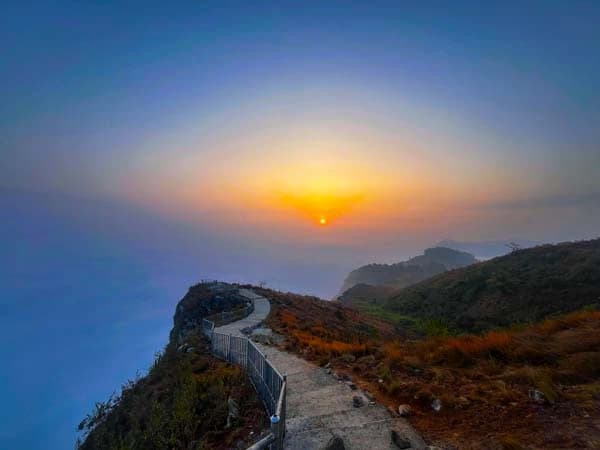
Bethanchowk Narayansthan Overnight Hike difficulty
Hike distance: The Bethanchowk Overnight Hike is a short and rewarding adventure, spanning about 12–15 kilometers (7–9 miles) round trip, depending on your chosen starting point. This hike is typically completed in 2 days / 1 night, with around 4–5 hours of hiking per day.
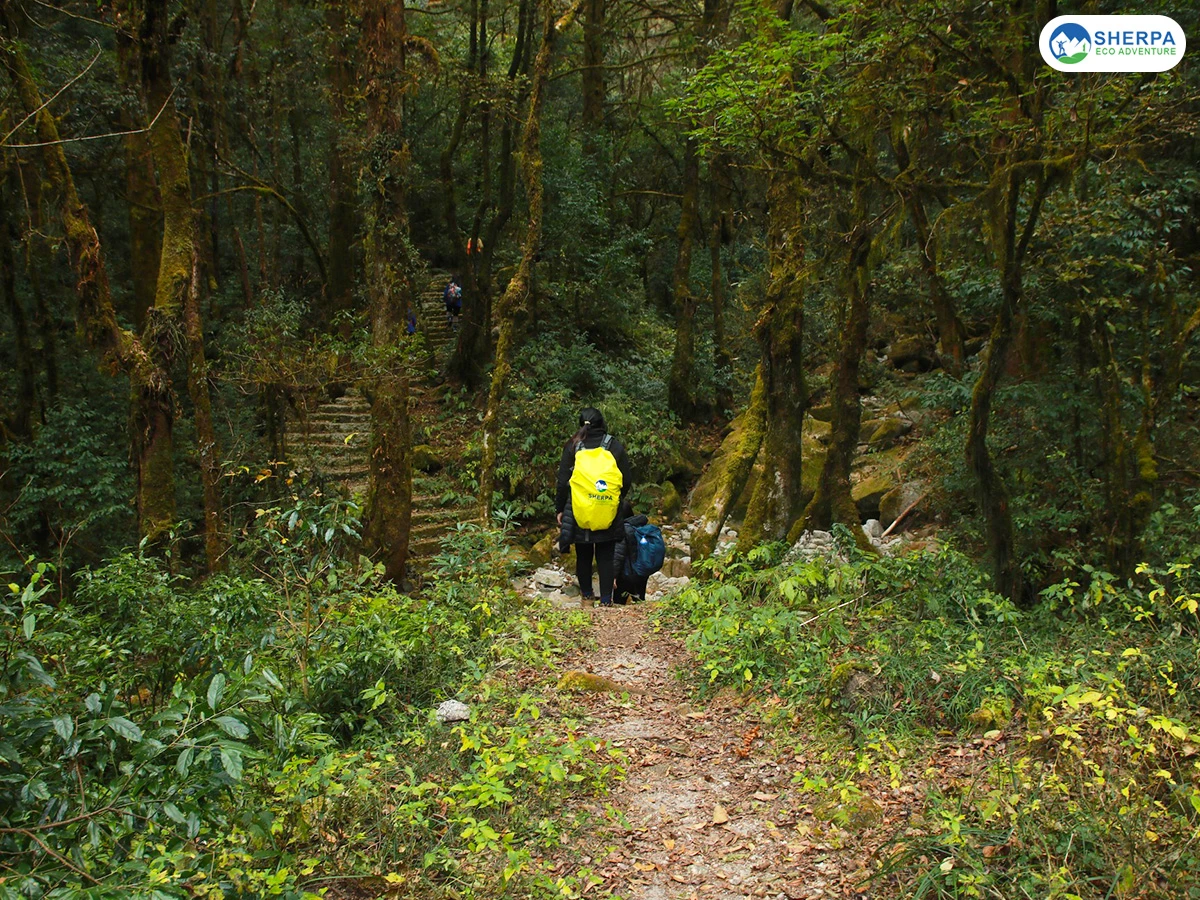
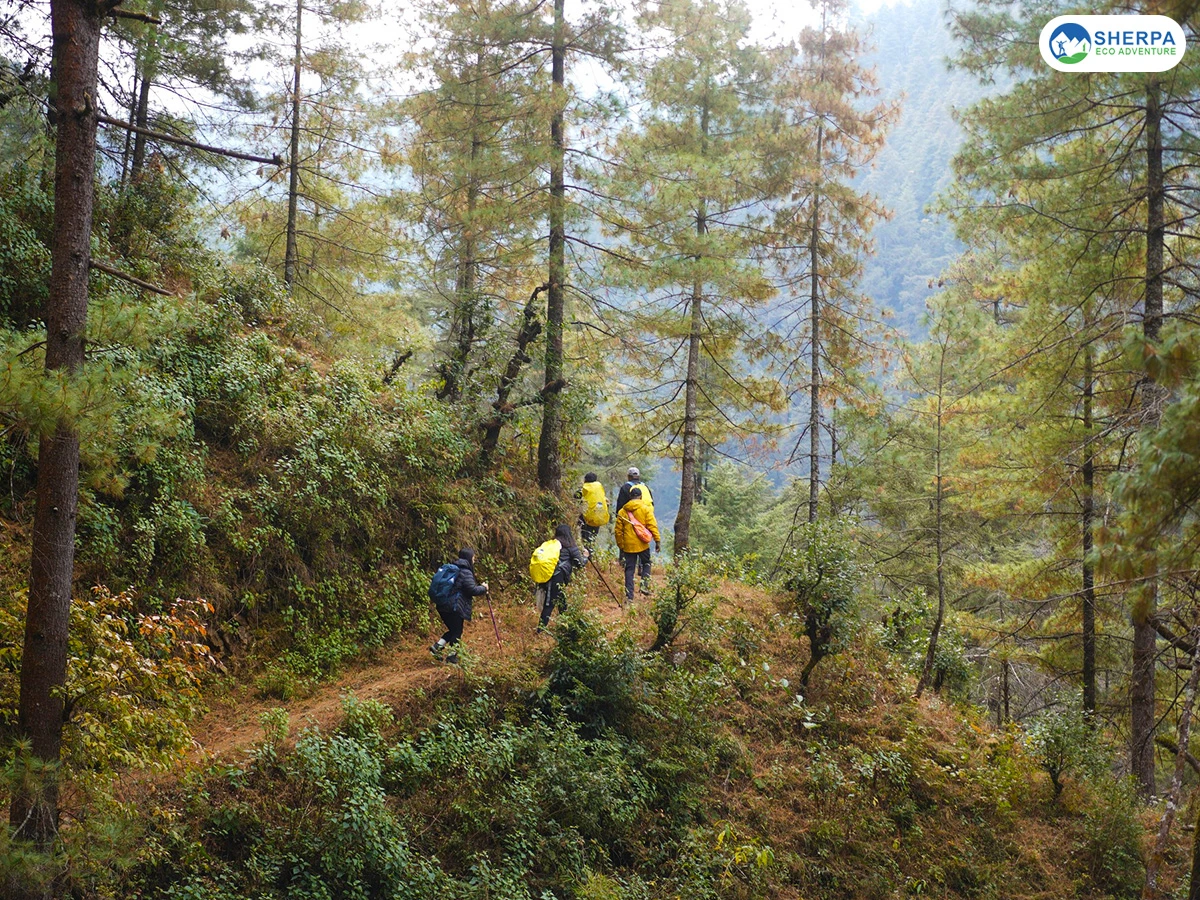
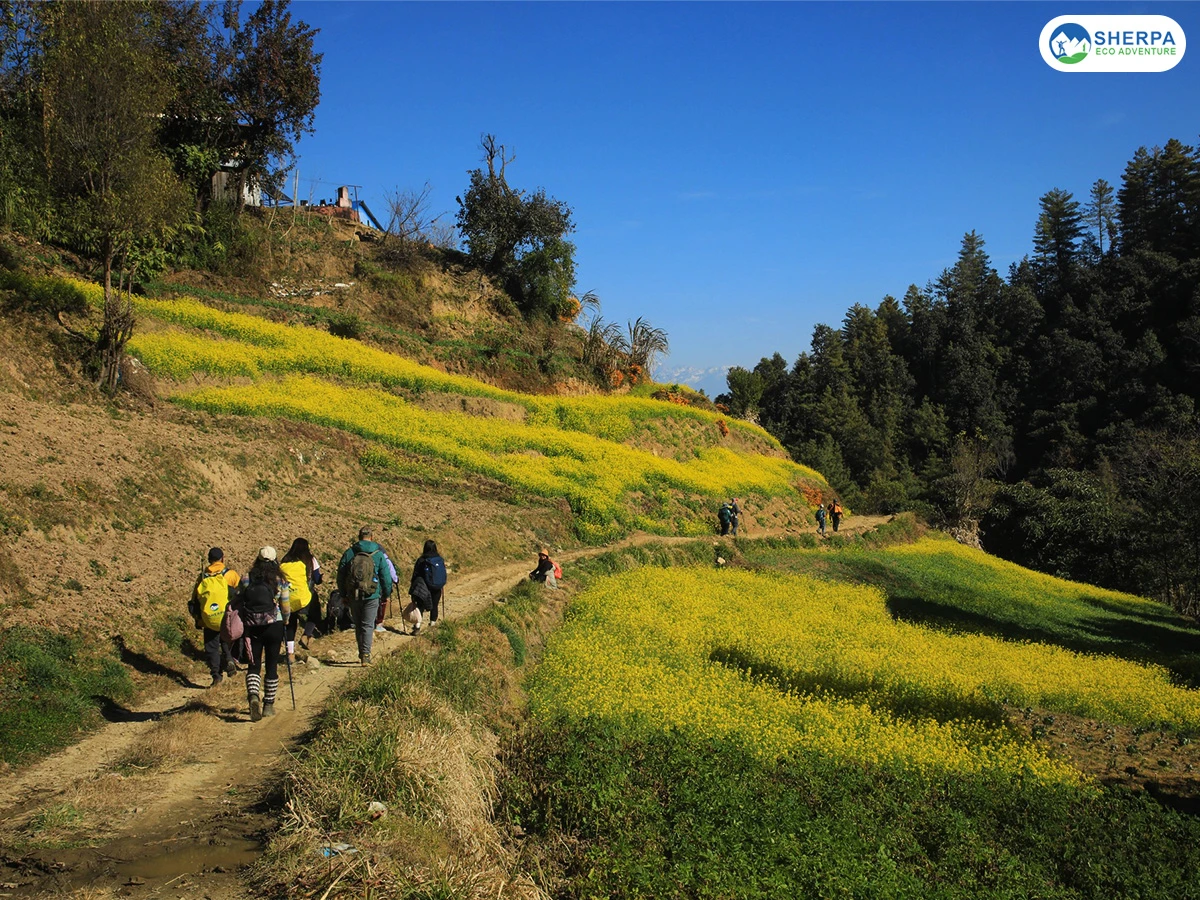
Difficulty level and terrain: The Bethanchowk hike is considered easy to moderate, making it suitable for beginners, families, and experienced hikers alike. The trail includes gradual ascents through rhododendron forests, terraced fields, and village paths, with some steeper uphill climbs near the summit. Overall, it offers a fun challenge without being overly demanding.
Altitude sickness: Bethanchowk sits at about 3,000 meters (9,842 ft), which is much lower than high-altitude treks. As a result, the risk of altitude sickness is minimal. However, hikers may still feel shortness of breath or mild fatigue during the final ascent, so pacing yourself and staying hydrated is recommended.
Preventive measures: To avoid altitude sickness during your trekking adventure, ensure you stay hydrated by drinking ample water and steer clear of alcohol and smoking. Prioritize acclimatization by adhering to the suggested schedule, and promptly communicate any discomfort to your guide for optimal safety. For more detailed guidance on altitude-related precautions, visit our website for expert tips and advice.
Previous hiking experience: No prior trekking experience is necessary for the Bethanchowk Overnight Hike. The route is beginner-friendly and perfect for those wanting a first taste of Himalayan hiking. Still, prior experience with short hikes or outdoor camping can make the adventure more enjoyable.
Hike preparation: Before setting out on the Bethanchowk Overnight Hike, it’s helpful to do some light cardio exercises such as walking, jogging, or short hikes to build stamina. Wearing comfortable shoes with good grip is essential, as the trail includes both forest paths and uphill climbs. Since evenings at the summit can get chilly, packing layered clothing is recommended to stay warm. Don’t forget practical essentials like a flashlight, snacks, and water bottles, along with a camera to capture the stunning sunrise views. Finally, be prepared to embrace the local culture through either a homestay experience or camping under the stars, which makes the journey even more memorable.
The best time to do the Bethanchowk Overnight Hike in Nepal
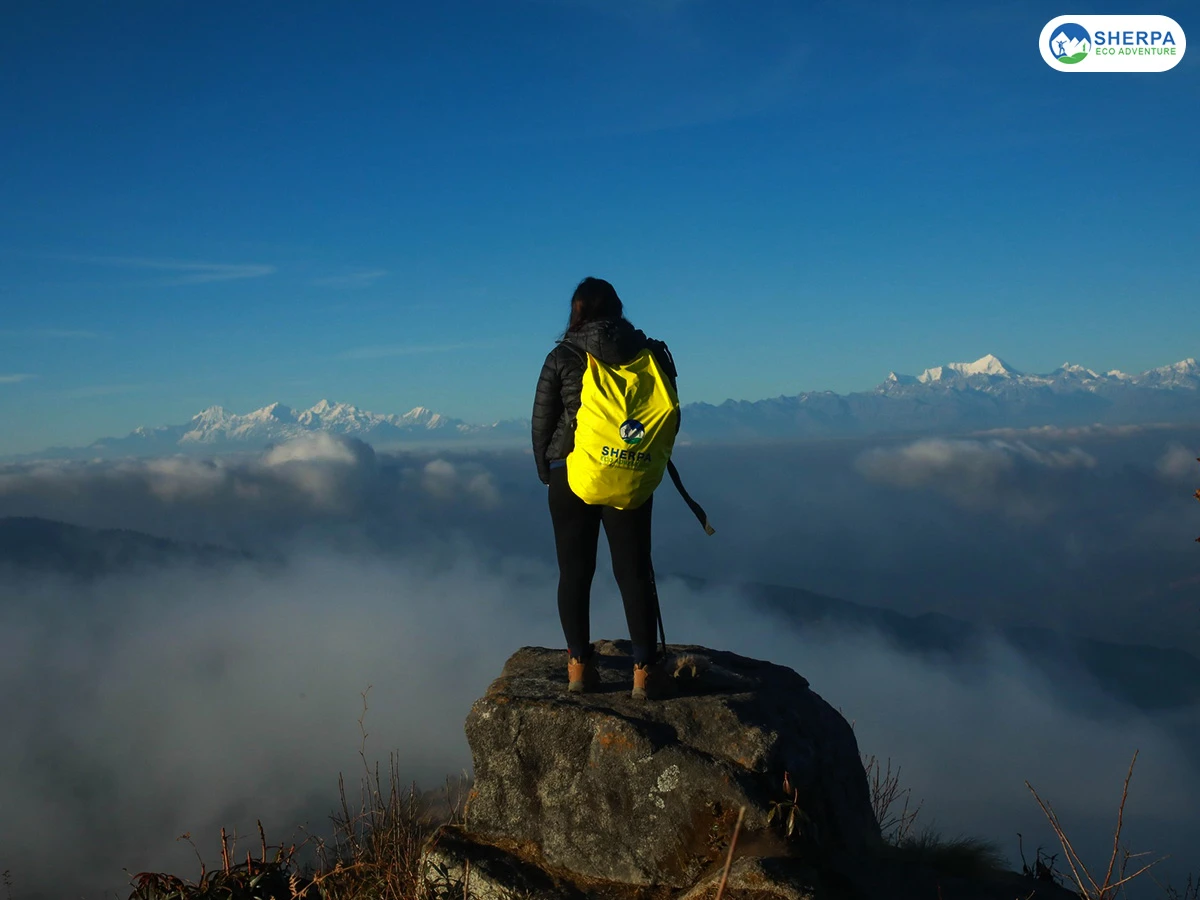
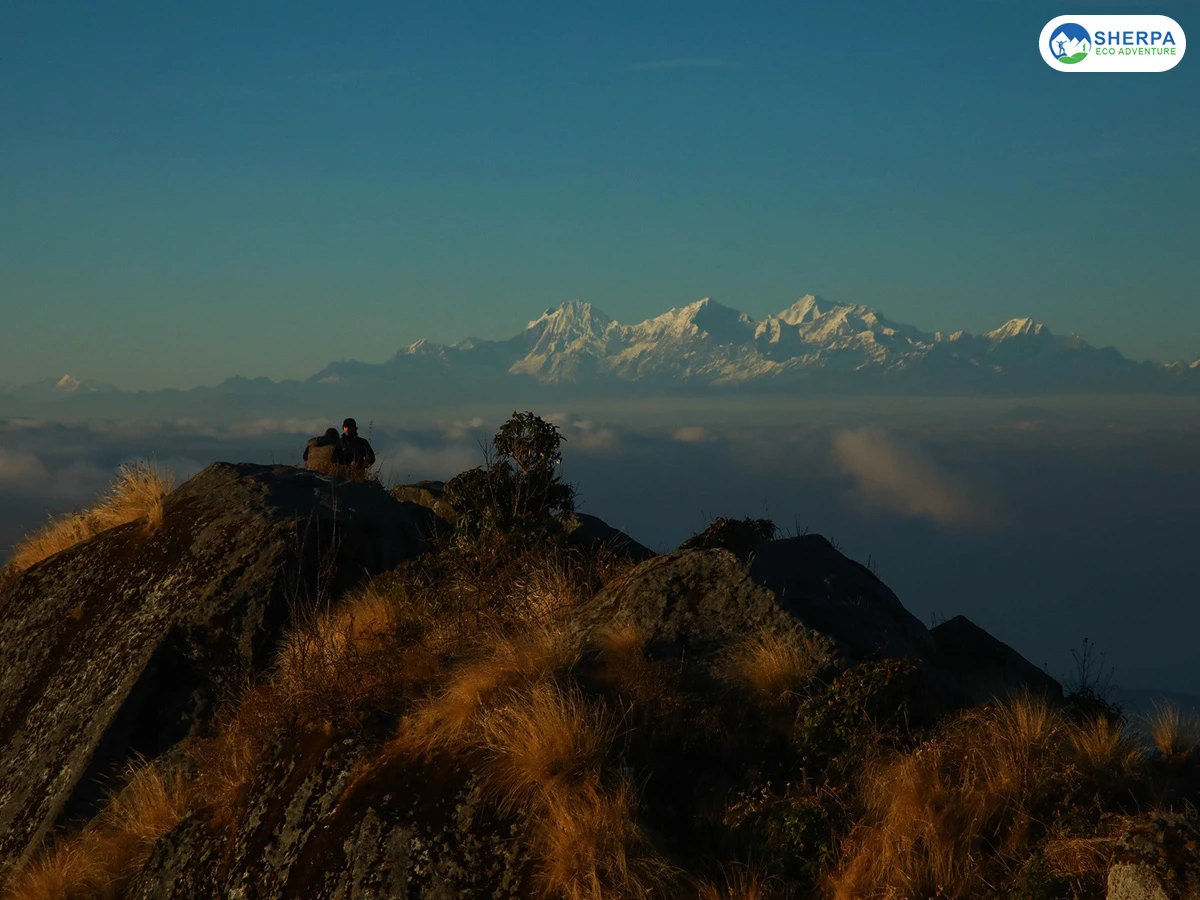
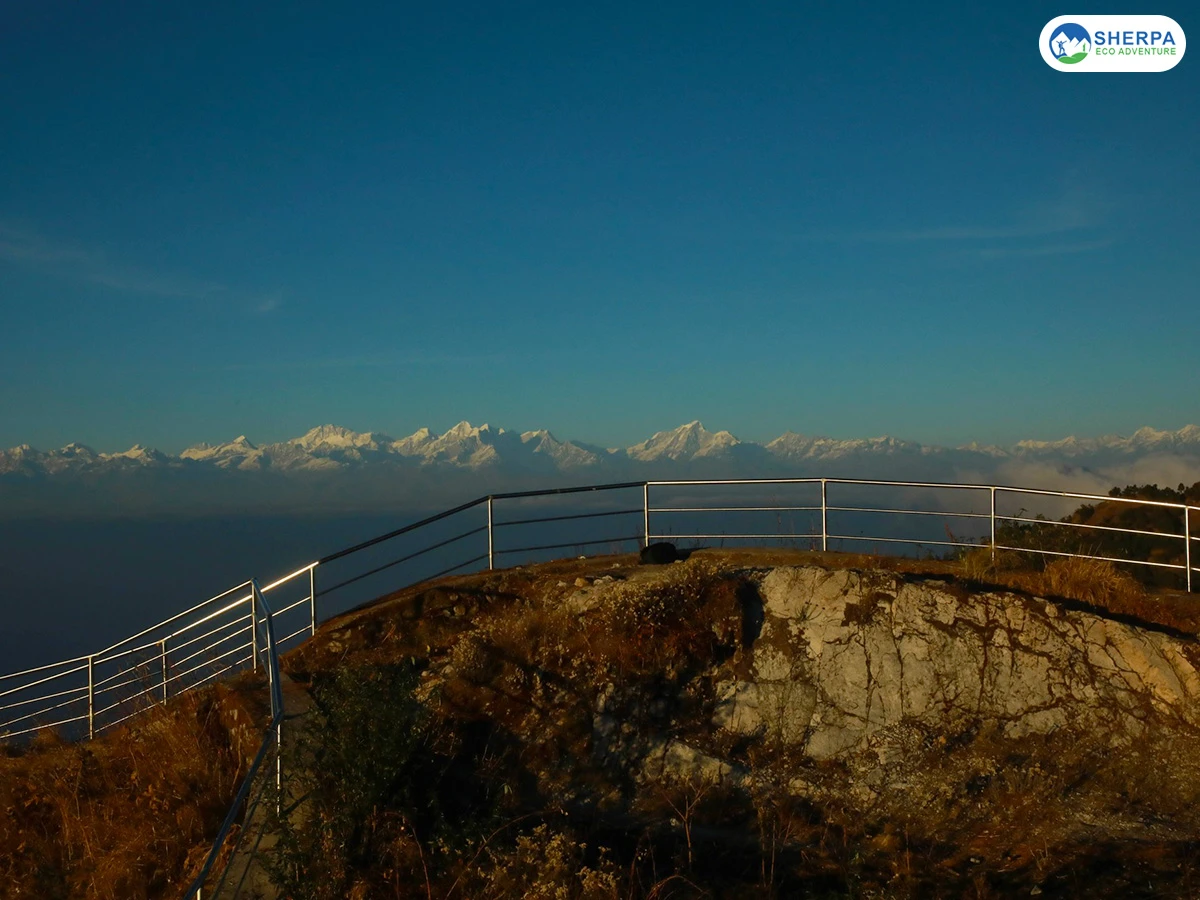
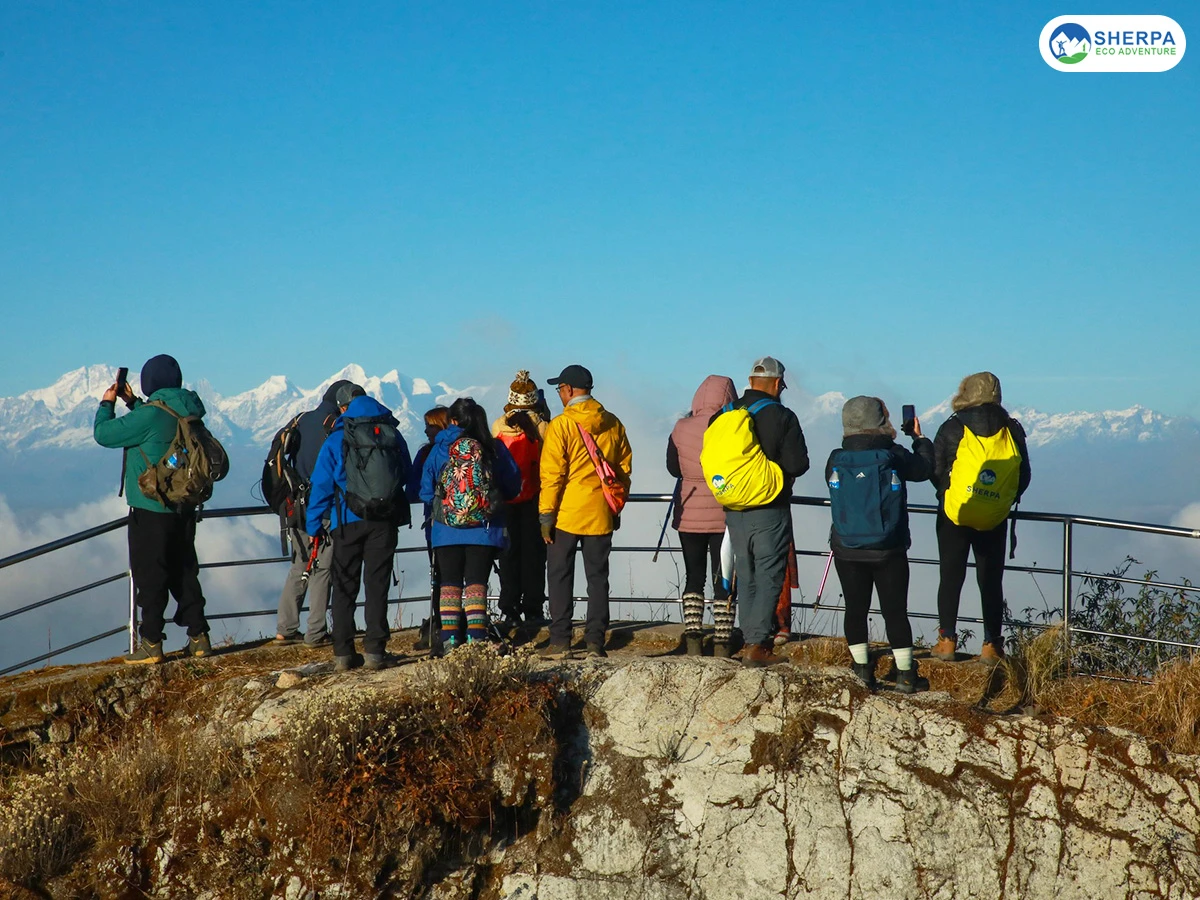
Spring (March to May): Spring is the most beautiful time to hike to Bethanchowk. The forested trail comes alive with vibrant rhododendron blossoms in shades of red, pink, and white, making the hike extra magical. The weather is pleasant, skies are generally clear, and the panoramic Himalayan views are at their finest—perfect for camping under the stars and catching a breathtaking sunrise.
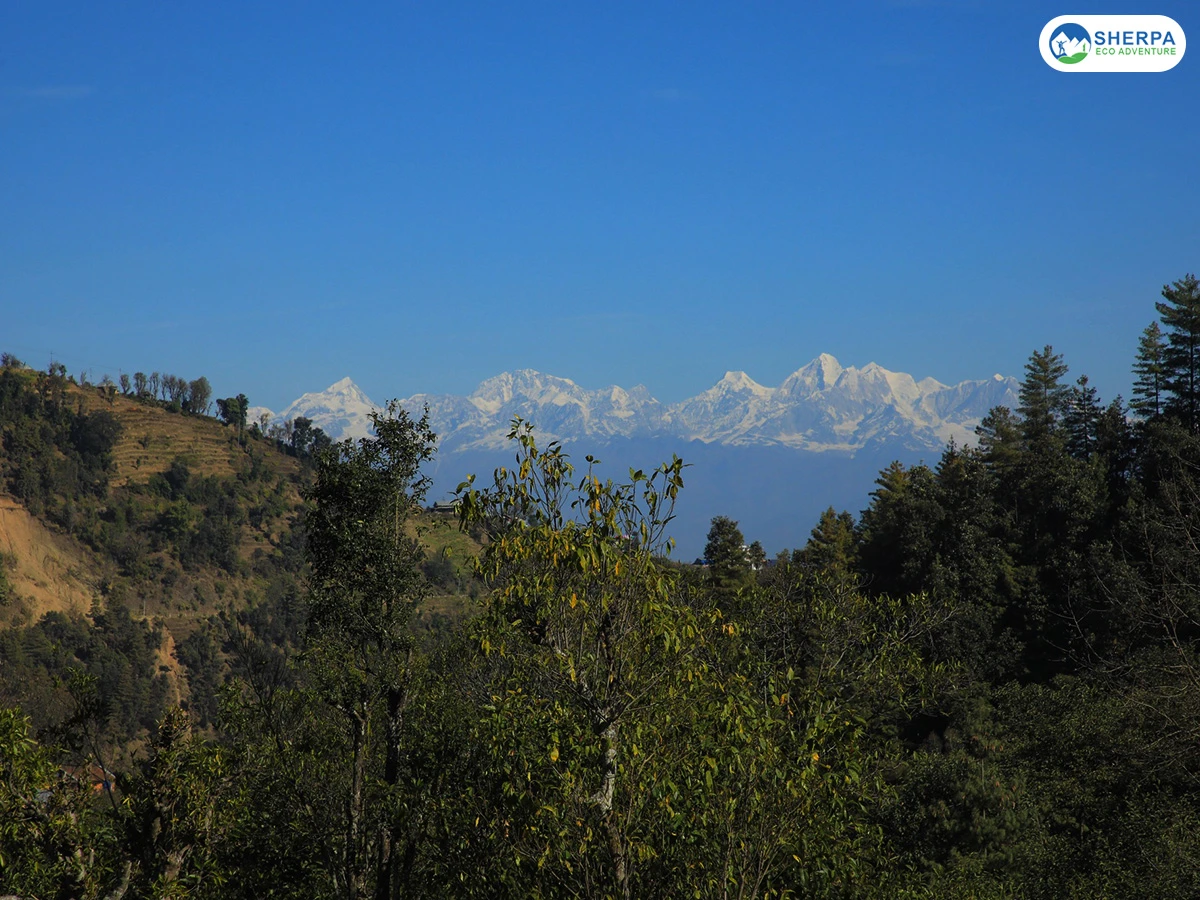
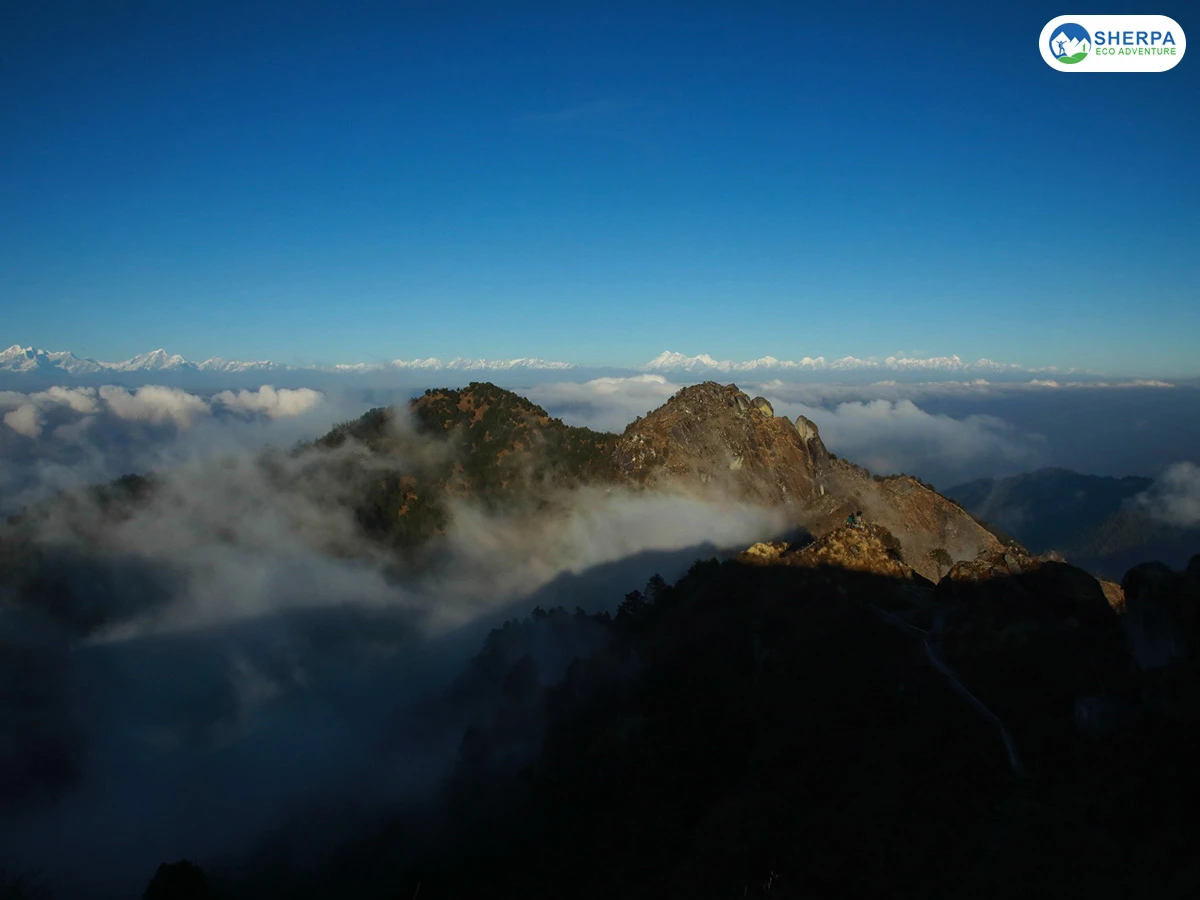
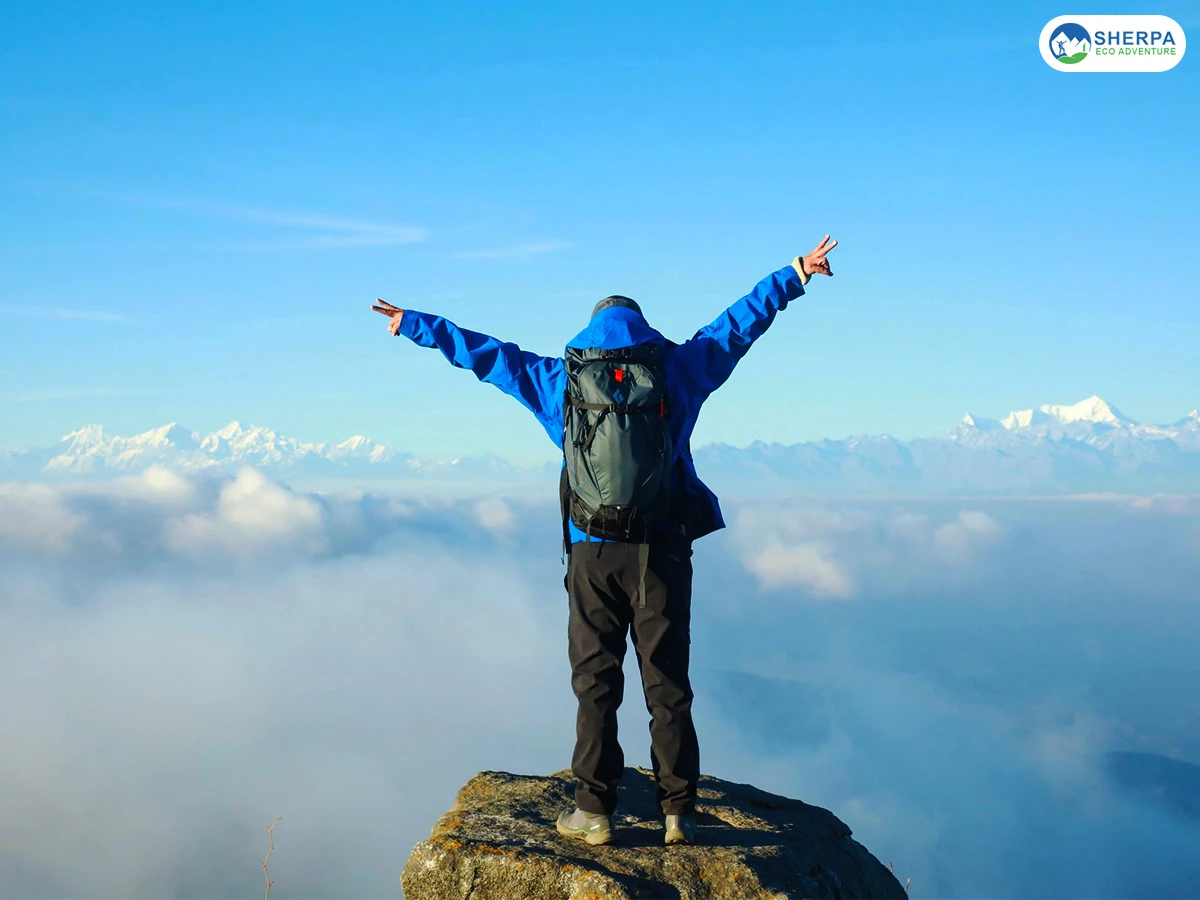
Autumn (September to November): Autumn is another ideal season for the Bethanchowk Overnight Hike. Crisp air, clear skies, and stunning visibility make it the best time to witness the Himalayan ranges stretching from Everest to Annapurna. The trail feels refreshing with post-monsoon greenery, though being a popular season, you may find more hikers on the route.
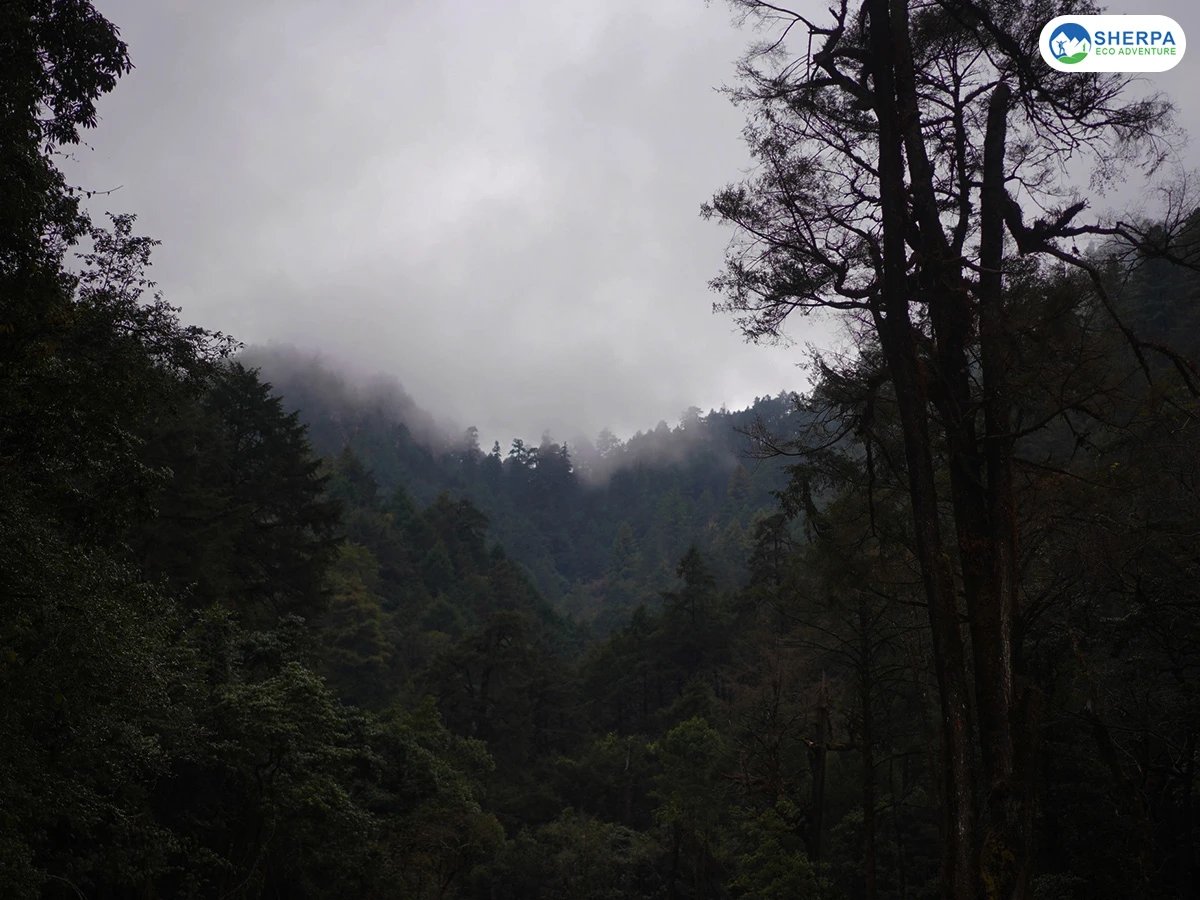
Summer/monsoon (June to August): The monsoon months bring heavy rainfall, making the trails muddy and slippery. While the surrounding forests turn lush and green, there is also a higher chance of leeches and reduced mountain visibility due to clouds. Unless you’re seeking a rainy adventure, this season is less recommended.
Winter (December to February): Winter hikes to Bethanchowk are chilly but rewarding. On clear days, you can enjoy crisp mountain views with fewer crowds. Nights can get quite cold at the summit, so warm clothing is essential. For those who enjoy peaceful hikes and don’t mind the cold, winter offers a serene and quiet experience.
Accommodation and Meals
Rooms and washrooms: Since Bethanchowk is an overnight hike close to Kathmandu, lodging options are simpler compared to long treks. Most hikers either camp at the hilltop or stay in local homestays or small guesthouses in Dhungkharka or nearby villages. Rooms are modest, often with twin beds and basic bedding, though bringing a sleeping bag or blanket is recommended for warmth. Washrooms are usually shared and basic, with squat-style toilets being common in local houses. However, I We arrange your stay at Xanadu Resort, which offers a much more comfortable and relaxing accommodation experience.
Hot showers: Hot shower facilities are limited in the Bethanchowk area. Some homestays may provide bucket showers with warm water, while in other cases you may only find cold water. For a short hike like this, many hikers prefer to freshen up with wet wipes instead.
Charging: You can charge your phones and cameras at homestays or tea shops before or after the hike, but electricity supply may not always be reliable. It’s best to bring a fully charged power bank for backup, especially if you plan to camp at the hilltop where no charging options are available.
WiFi: WiFi is not common in Bethanchowk homestays. But you can find it in the resort we stay. However, mobile network coverage (mainly NTC and Ncell) is generally available on the trail and at the hilltop, although the signal may fluctuate in forested areas. A local SIM card is sufficient for calls and light internet use.
Meals (Breakfast, Lunch and Dinner): During the Bethanchowk hike, meals are usually home-cooked Nepali food served by local families. Expect options like dal bhat, curry, rice, chapati, noodles, and seasonal vegetables. For breakfast, you may get tea or coffee with bread, eggs, or porridge. The food is simple, fresh, and filling, giving you a taste of authentic local hospitality.
Drinking water and beverages: You can refill your bottles with boiled or filtered water from homestays or tea shops for a small charge. Carrying a water purification tablet or filter is also recommended. Tea, coffee, and soft drinks are available in most villages. Unlike long treks, alcoholic beverages are not common in this area, though local millet-based drinks may be offered in homestays.
Additional Information
Travel insurance: Since Bethanchowk is a short overnight hike close to Kathmandu, travel insurance is not mandatory. However, it’s always wise to have general travel insurance that covers medical emergencies, accidents, or trip cancellations, especially if you’re visiting Nepal from abroad.
Passport and visa: For international travelers, a valid passport with at least six months validity is required to enter Nepal. You can obtain a tourist visa on arrival at Tribhuvan International Airport or through the Nepalese Embassy/Consulate in your home country. Nepali citizens do not require additional permits for this hike.
Money exchange: The currency used is the Nepalese Rupee (NPR). Since this is a short hike, you won’t find money exchange facilities along the route. It’s best to carry some cash from Kathmandu for homestays, meals, or small purchases in Dhungkharka. ATMs are available in Kathmandu and Kavre Bazaar, but not in Bethanchowk itself.
Tips: Tipping is not obligatory for this short hike. However, if you’re using a local guide or staying in homestays, a small tip or contribution is always appreciated as a gesture of goodwill and support for the local community.
Luggage: Since it’s an overnight hike, pack light and compact. A small backpack (5–7 kg) is sufficient to carry essentials such as water, snacks, an extra layer of clothing, a flashlight, and personal items. If camping, ensure your gear is arranged in advance, as carrying heavy loads is unnecessary for such a short trip.
Personal expense: Our Bethanchowk hike package generally includes transportation, guide, meals, and accommodation (homestay or camping). However, you should still budget for personal expenses such as snacks, beverages, souvenirs, tips, or any additional services not covered in the package.