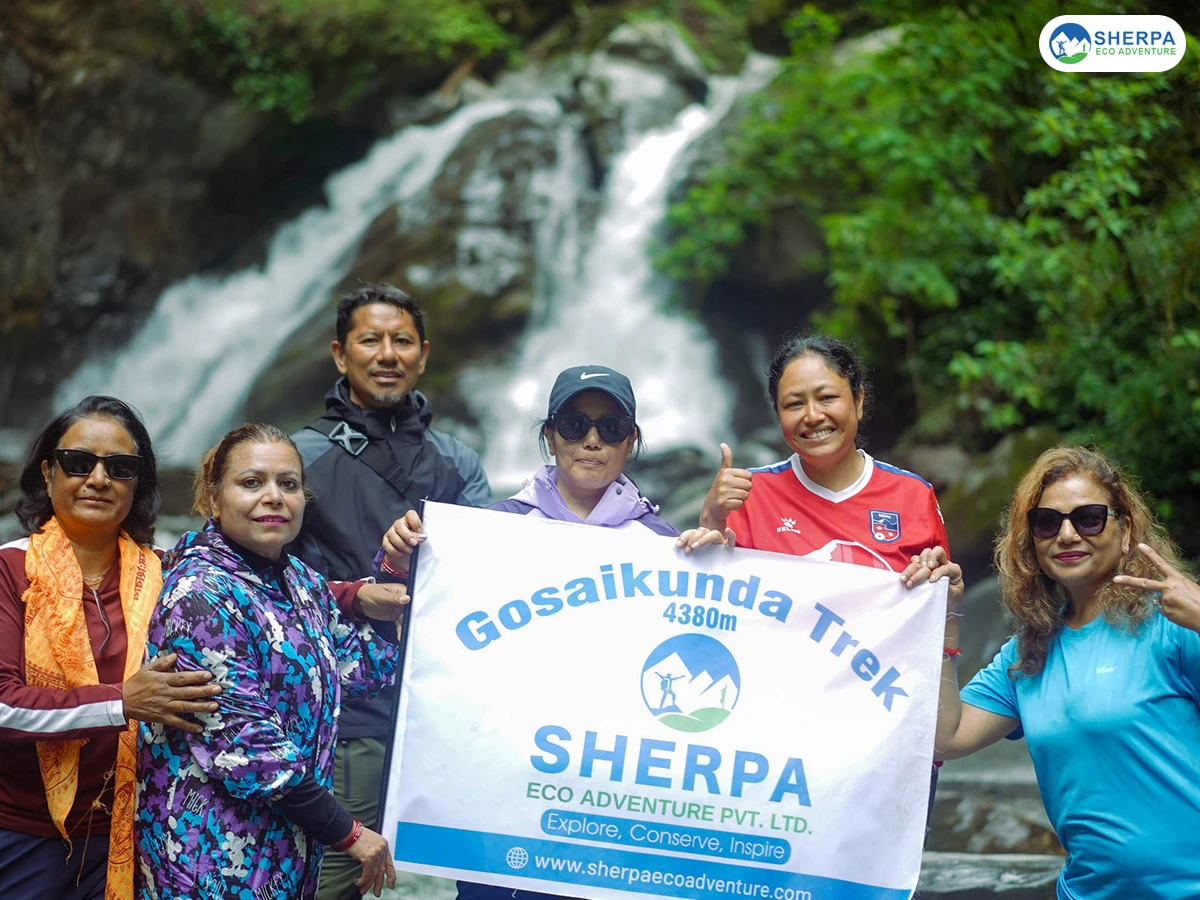
Gosaikunda Trek

27 Trip Photos
Gosaikunda Lake
Popular
At a Glance
  • Duration7 Days
  • Trip GradeModerate
  • CountryNepal
  • Maximum Altitude4380 meters
  • Group Size14
  • StartsKathmandu
  • EndsKathmandu
  • Travel StyleTrekking
  • Best TimeSpring | Autumn

The Gosaikunda Trek is a sacred journey to one of Nepal’s holiest high altitude lakes, nestled at 4,380 meters. Spanning seven days, this trek is a spiritual and scenic adventure close to Kathmandu. Renowned for its sacred significance in both Hinduism and Buddhism, Gosaikunda is believed to be the abode of Lord Shiva and a place of divine purification.

The trek begins at Dhunche and gradually ascends through picturesque villages, pine and rhododendron forests, and alpine meadows. Pilgrims and trekkers alike are drawn to the pristine blue waters of Gosaikunda, particularly during the Janai Purnima festival, when thousands gather to bathe in its sacred waters.

Throughout the route, you will experience Tamang hospitality and Tibetan Buddhist influence, enhanced by prayer flags, mani walls, and ancient monasteries. Gosaikunda Trek is an excellent introduction to Himalayan trekking, offering a spiritual experience, cultural immersion, and panoramic views without venturing too far from Kathmandu.

Bookings for our Gosaikunda Trek for 2026–2027 are now available. Currently, we have a special holiday discount available for the Gosaikunda trek price, allowing you to secure your spot for the upcoming year. This represents the most competitive Gosaikunda trek package available.

Highlights

  • Trek to the sacred alpine lake of Gosaikunda, surrounded by panoramic snow capped peaks.
  • Discover spiritual heritage through ancient monasteries, chortens, and Hindu shrines.
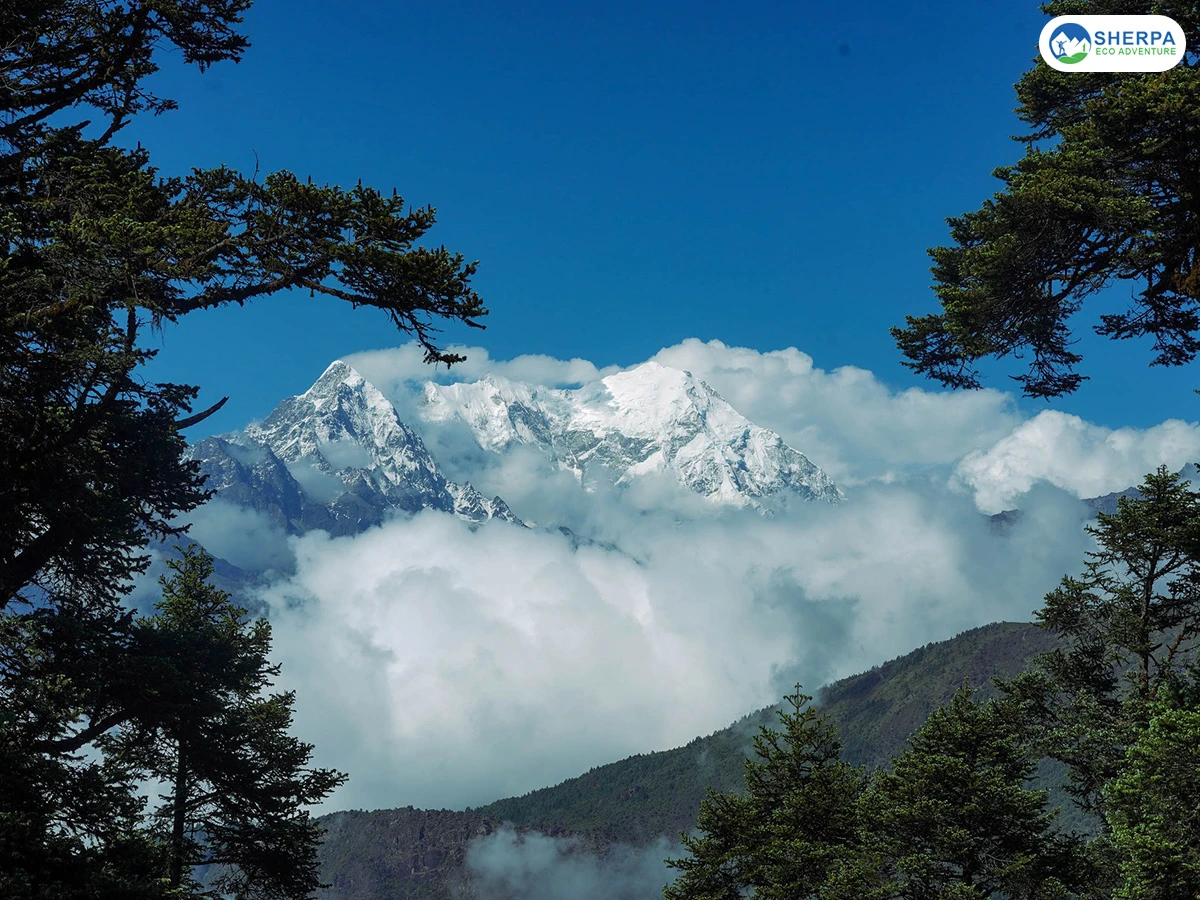
  • Enjoy sweeping views of Langtang Lirung, Ganesh Himal, and Manaslu ranges.
  • A short, accessible trek from Kathmandu with immense cultural and natural beauty.
  • Immerse in the warm hospitality of Tamang and Tibetan Buddhist communities.
  • Explore lush forests of rhododendron and bamboo.
  • Ideal for both beginner and experienced trekkers seeking a balanced challenge.
  • Witness rare alpine flora and fauna within Langtang National Park.
  • Trek to Tserko Ri for a breathtaking sunrise and an inspiring mountain view.

What should I expect during the Gosaikunda trek?

The Gosaikunda trekking trail rises through pristine forests, terraced fields, alpine pastures, and small settlements. Along the way, trekkers can admire the rugged beauty of the Himalayas, including Langtang Lirung (7,234m), Ganesh Himal (7,422m), Manaslu (8,163m), and the distant Annapurna range.

The villages along the trail are primarily inhabited by the Tamang people, descendants of Tibetan lineage, whose culture, lifestyle, and architecture resemble Tibetan traditions. Ancient monasteries, stupas, and vibrant prayer flags highlight the religious depth of the area.

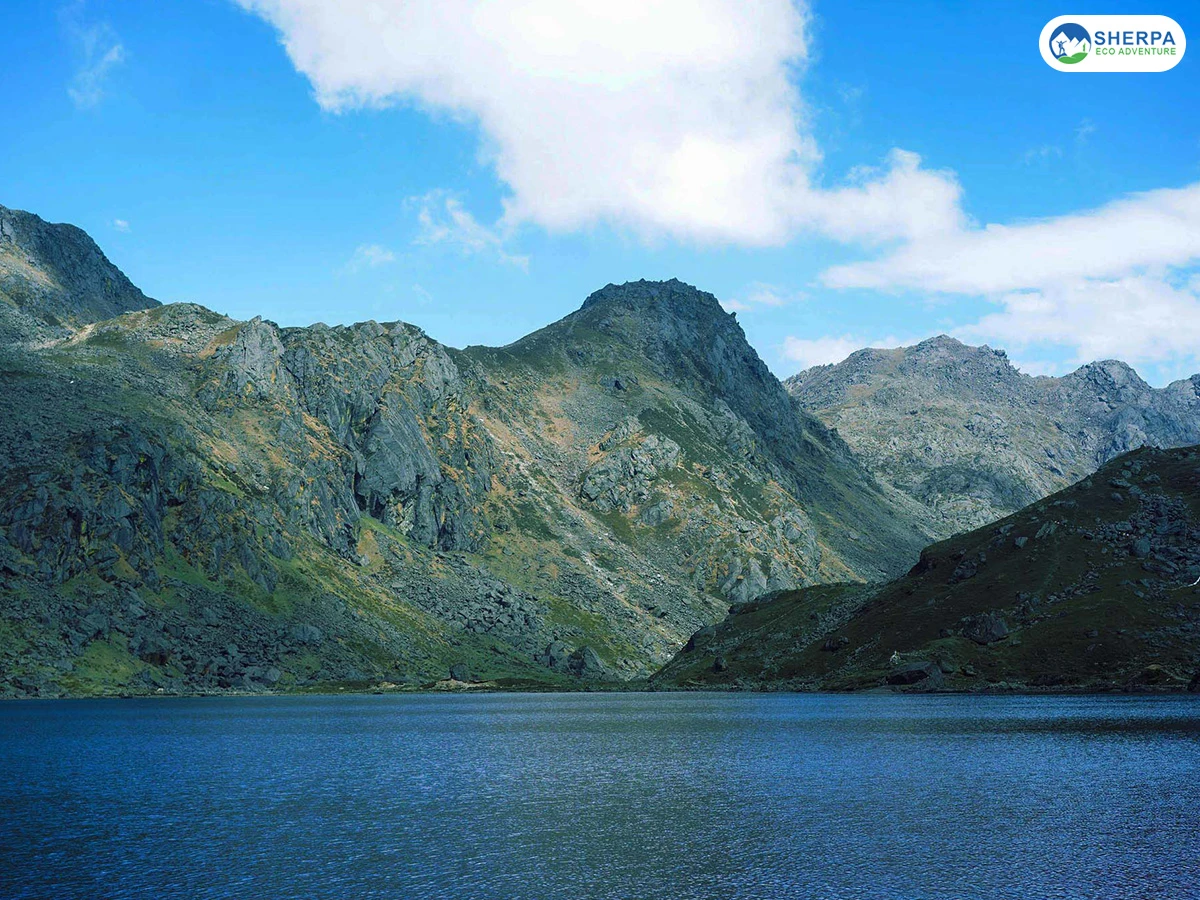
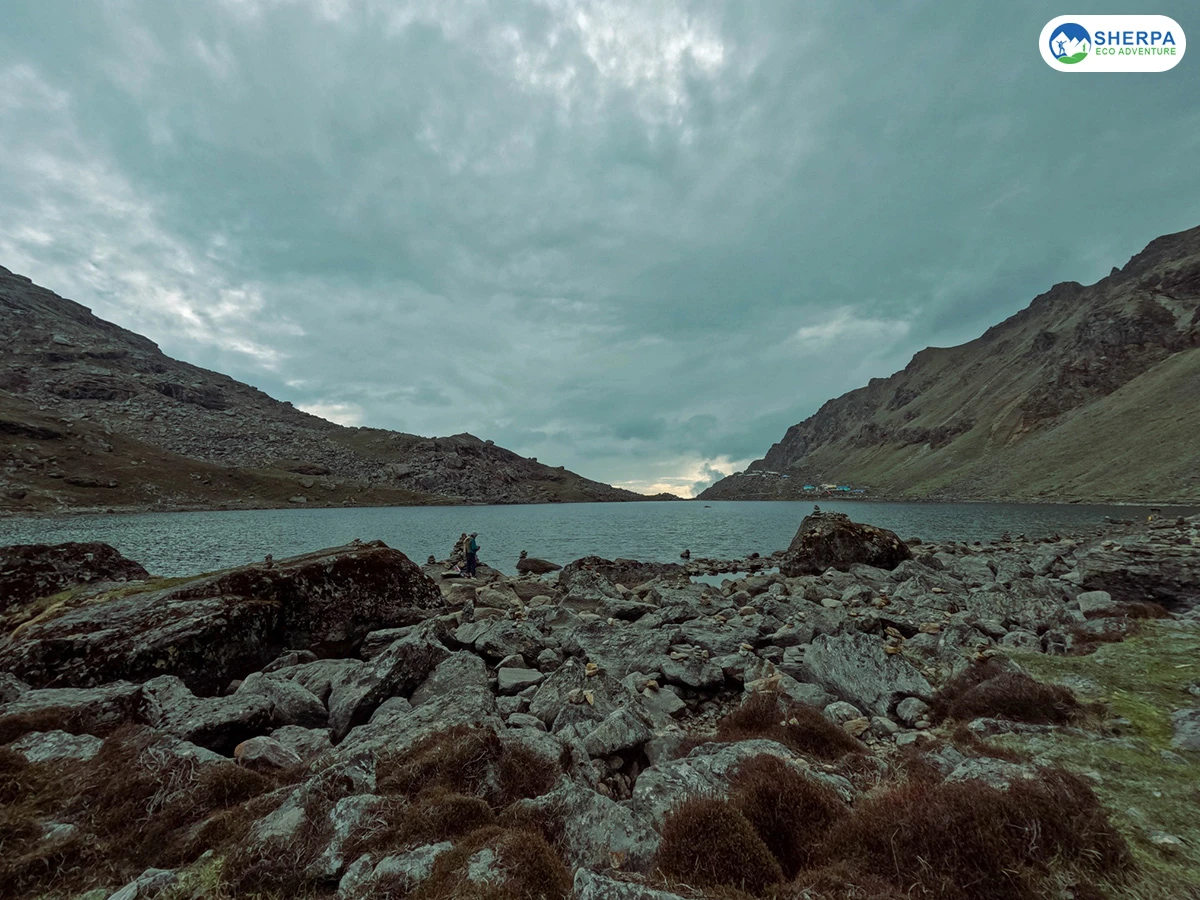
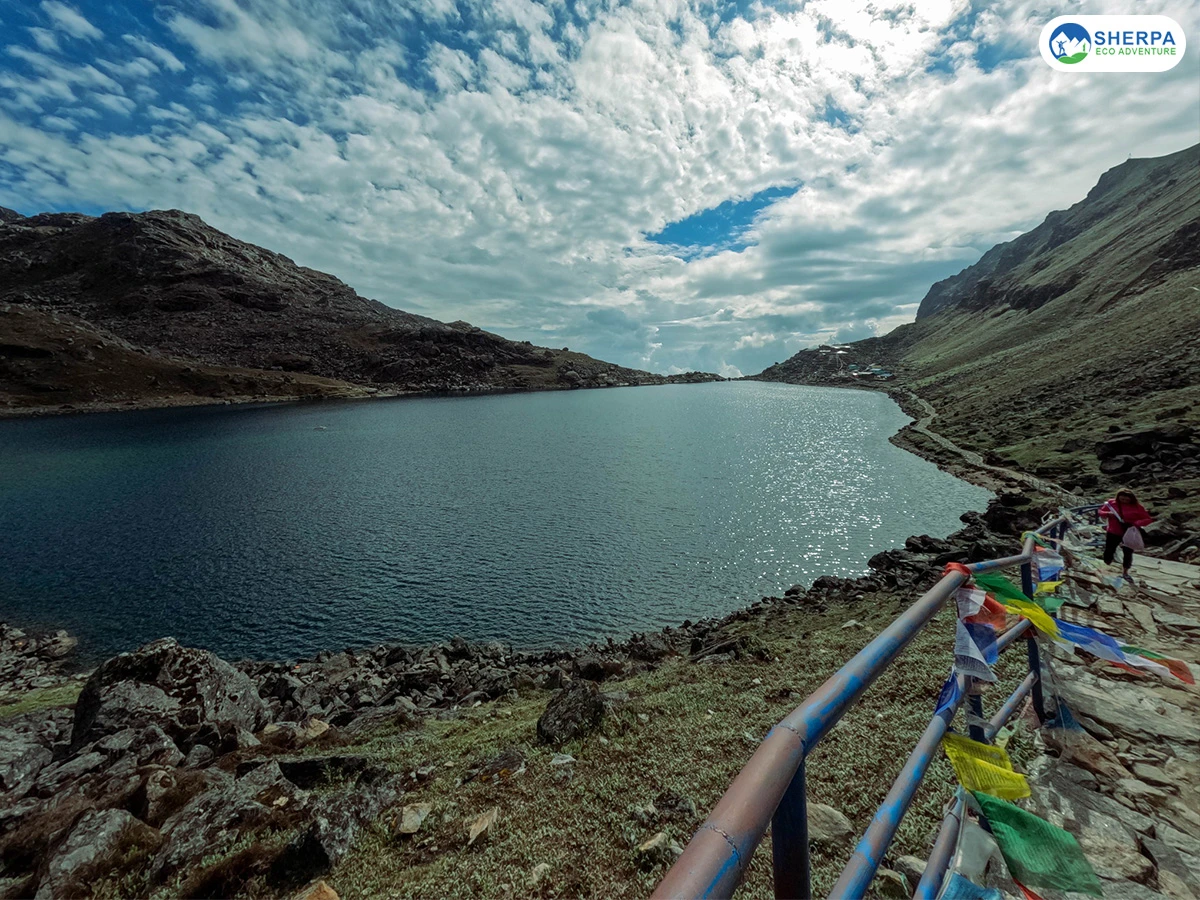
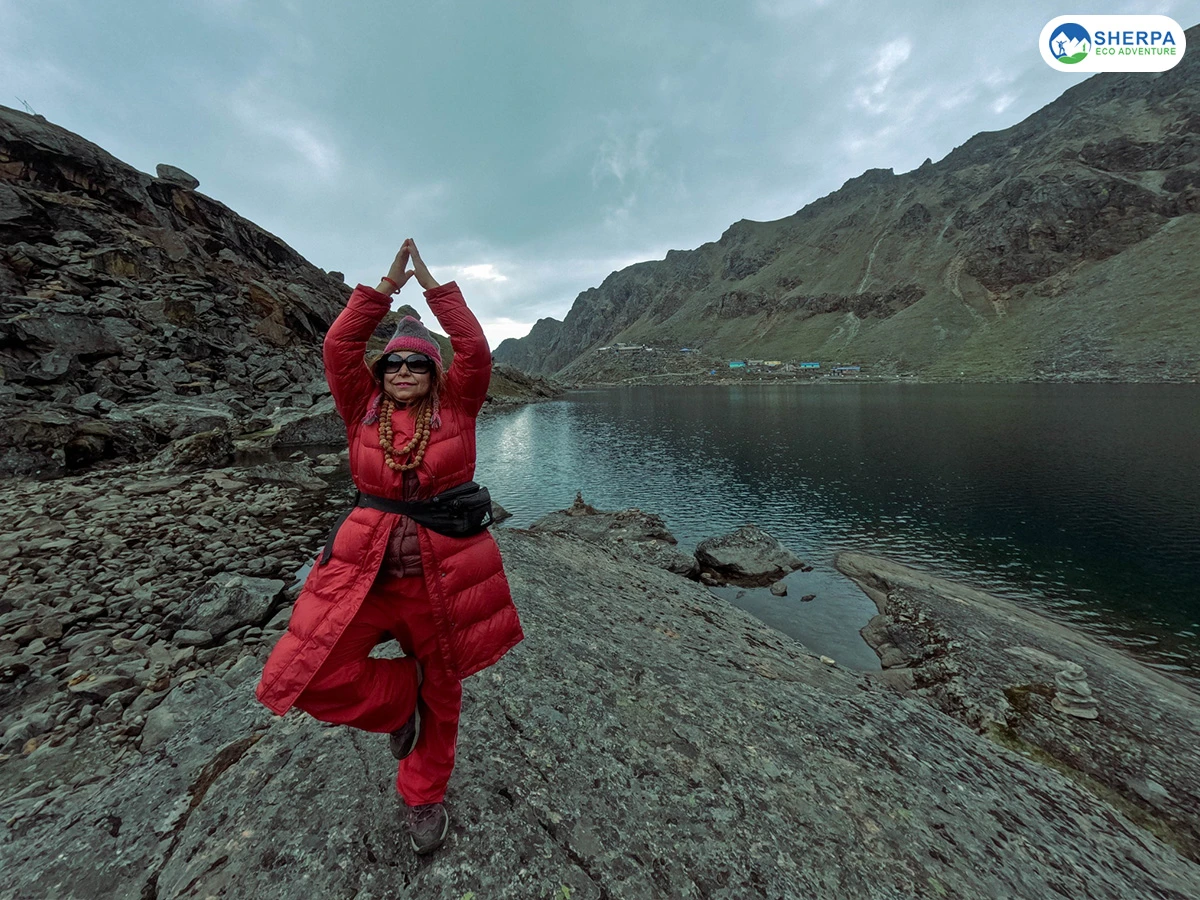
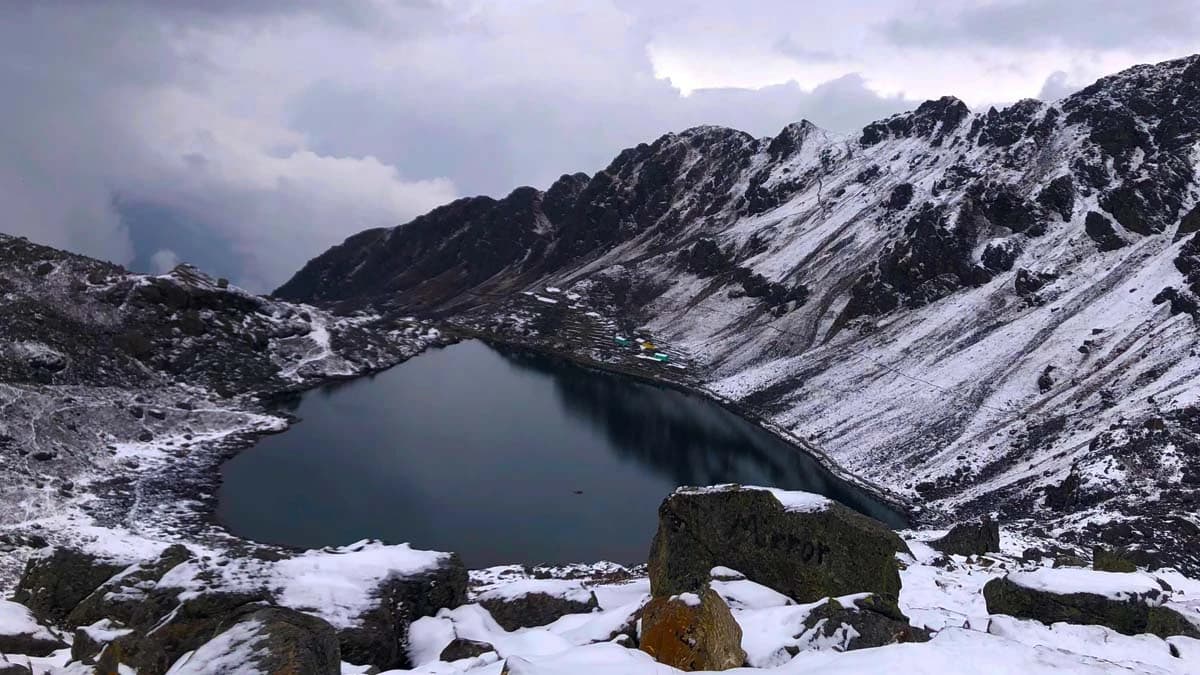
Gosaikunda itself is a cluster of alpine lakes, with the main lake revered as holy. The turquoise waters surrounded by towering peaks offer an unforgettable experience.

This trek is moderate in difficulty, making it ideal for those seeking a meaningful Himalayan journey without extensive high altitude exposure. For those wanting more adventure, Gosaikunda can be combined with the Helambu or Langtang Valley treks.

Is Gosaikunda trekking right for you?

The Gosaikunda Trek stands out as a top choice for trekkers seeking a spiritual, scenic, and moderately challenging Himalayan experience. This journey offers a perfect introduction to high altitude trekking in Nepal. With well maintained trails, diverse landscapes, and cultural immersion, the 7 to 8 day Gosaikunda trek is achievable for most hikers equipped with basic fitness and the right gear.

Our experienced guides and porters ensure your safety, comfort, and a meaningful experience throughout the trek. Whether you're a first time trekker or a returning adventurer, the Gosaikunda trail rewards you with sacred alpine lakes, panoramic views of Langtang Lirung and Ganesh Himal, and peaceful forested paths.

If you're searching for a manageable trek close to Kathmandu, filled with natural beauty, spiritual resonance, and authentic local hospitality, then the Gosaikunda Trek is a remarkable choice.

To elevate your Himalayan journey, consider extending your trek by linking it with the Langtang Valley, Tamang Heritage Trail, or crossing the breathtaking Laurebina Pass, each offering unique perspectives and deeper adventures in the Langtang region.

Perks of doing the Gosaikunda trek with us

When our knowledgeable team is in charge, starting the Gosaikunda trek becomes a flawless experience. With their steadfast assistance, you can navigate this expedition with utmost confidence. Our committed team prioritizes your safety on the trek, guaranteeing a smooth and worry free Gosaikunda trekking experience.

With Sherpa Eco Adventure, your Gosaikunda Trek becomes seamless and rewarding. Our seasoned guides ensure your safety, comfort, and cultural immersion. Here’s what sets us apart:

  • Trek with certified and experienced guides and porters.
  • Flexible itinerary tailored to your schedule.
  • Unmatched hospitality and responsible trekking ethics.
  • Best value Gosaikunda trek cost with transparent pricing.
  • 24/7 support system throughout your trip.
  • Complimentary airport transfers, welcome, and farewell dinners.
  • No hidden costs. Clear, honest pricing.
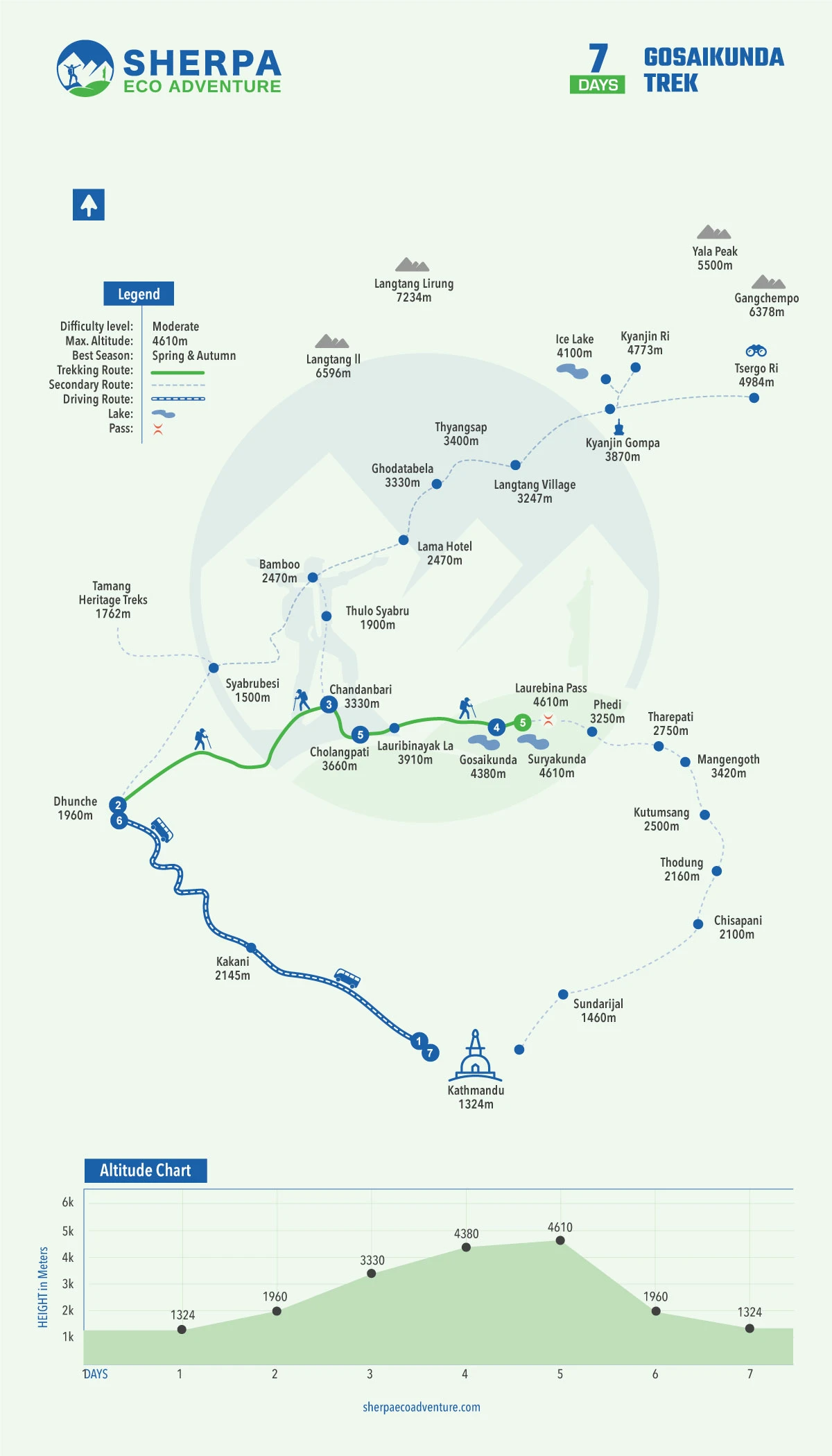
Day to Day Itinerary

Our team is dedicated to providing seamless airport assistance at Tribhuvan International Airport, including baggage handling. Upon your arrival, we'll ensure a comfortable transfer to your chosen hotel. After settling in, take some time to rejuvenate. Later, we'll arrange a meeting at our office to introduce you to our experienced trek leader.

After reviewing the itinerary on our top travel website, you'll prepare your travel essentials and make any final online purchases. We'll conclude the day with an exquisite dinner, immersing ourselves in Nepali cultural performances and melodies.

Max Altitude:1324 meters Meal:Welcome DinnerAccommodation:Hotel

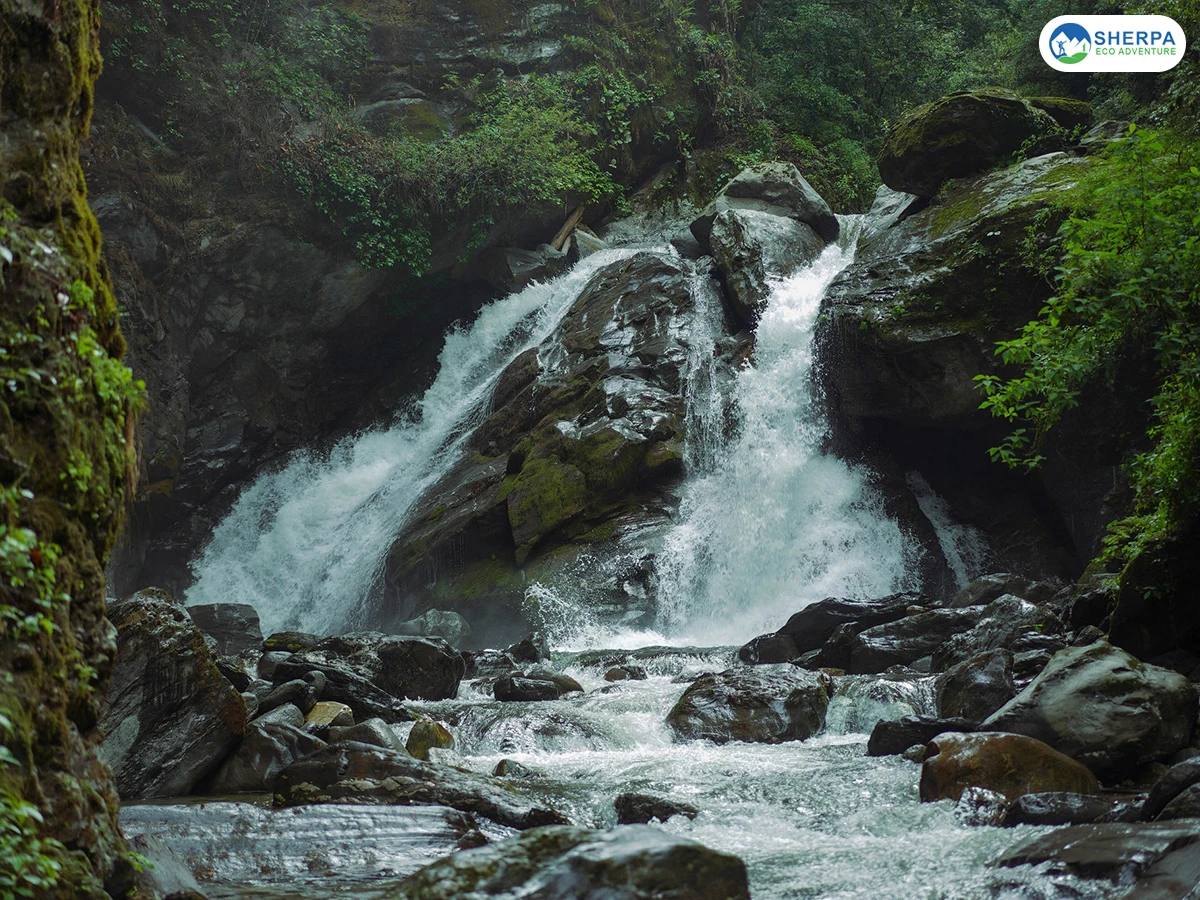
After breakfast, your trek begins with a scenic drive north from Kathmandu to Dhunche, the administrative center of Rasuwa district and the gateway to the Langtang and Gosaikunda regions. The road winds through the lush hills, following the Trishuli River and offering views of rustic villages, riverside cliffs, and cascading waterfalls. Though the road is rugged in sections, the journey introduces you to Nepal’s mountainous terrain and rural life. Upon arrival in Dhunche, take a gentle stroll around the town and soak in the fresh mountain air. Overnight at a cozy guest house.

Max Altitude:1960 meters Meal:Breakfast, Lunch & DinnerAccommodation:Guest HouseDistance:117 kilometer | 72.7 milesDuration:6–7 Hours

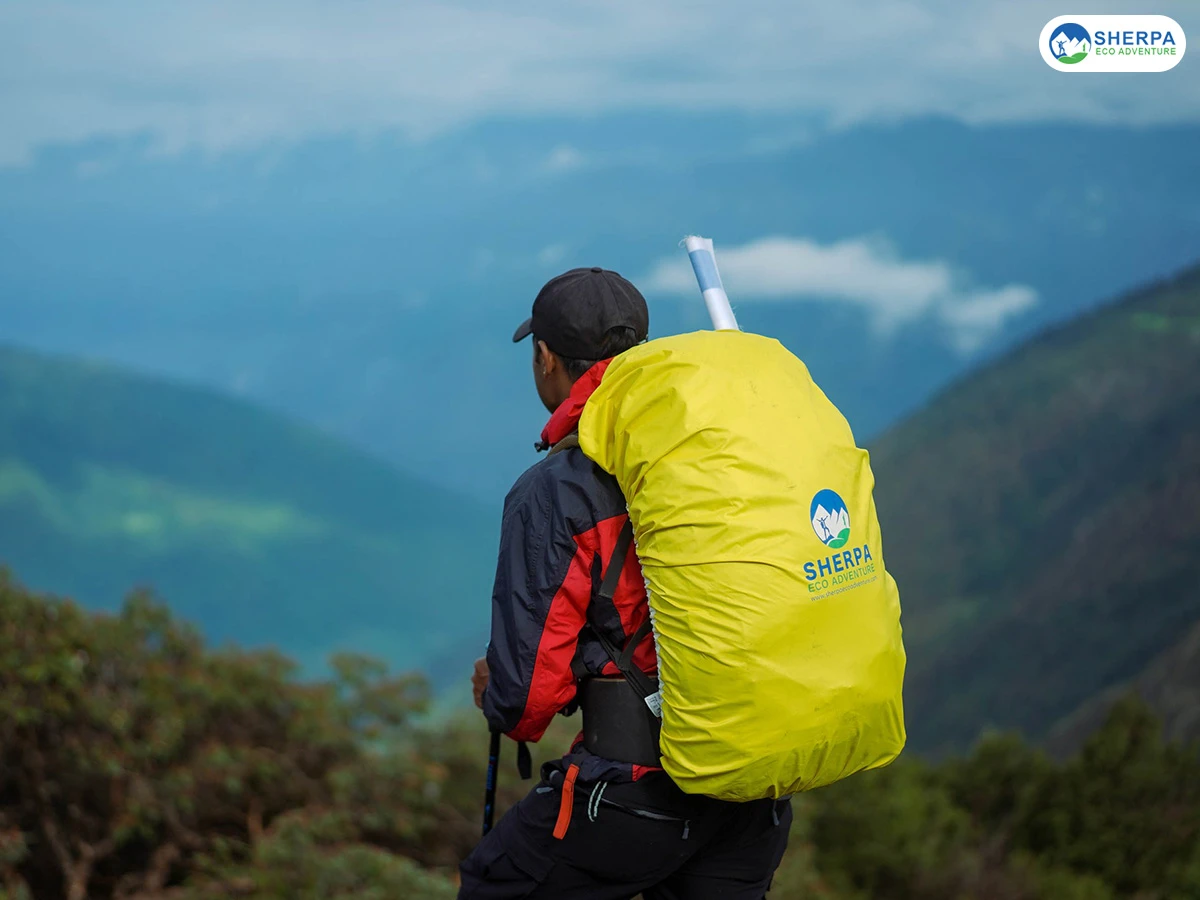
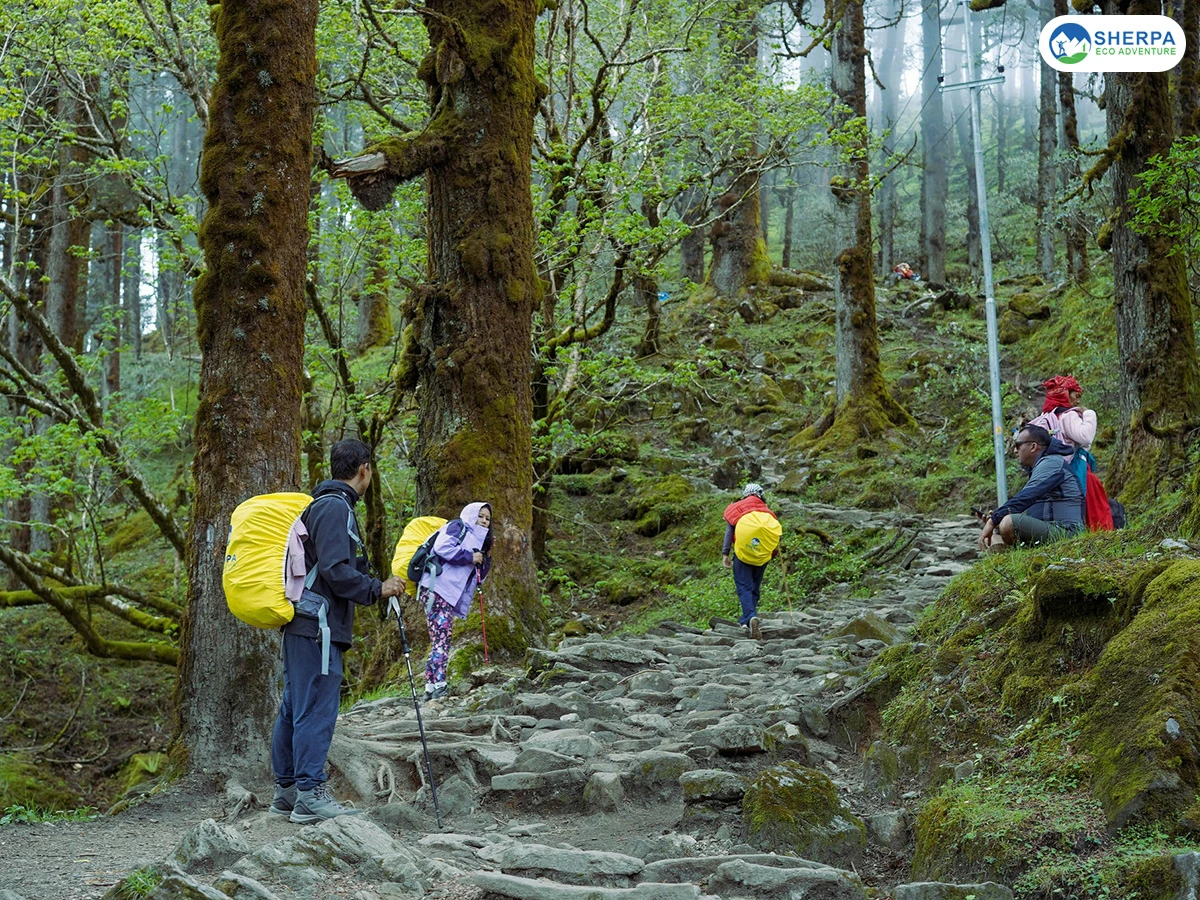
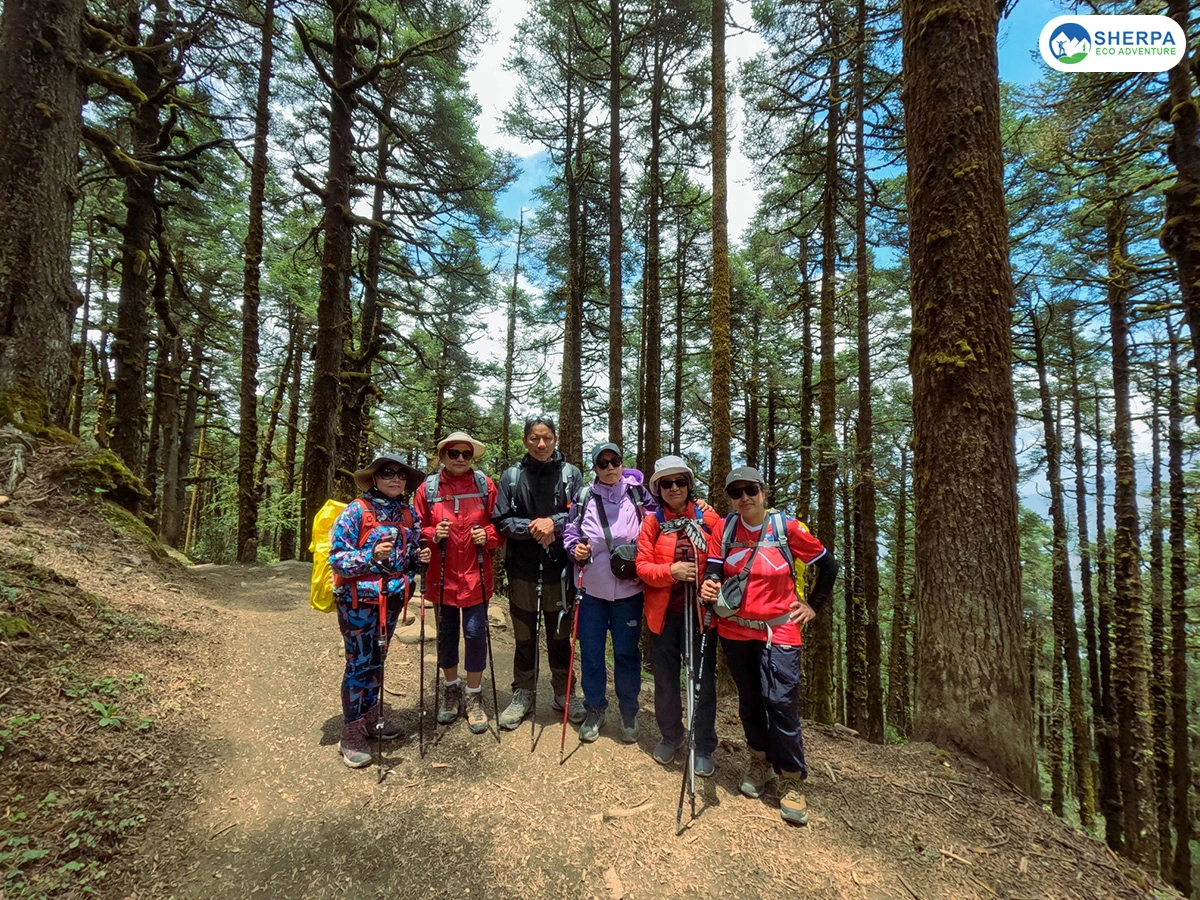
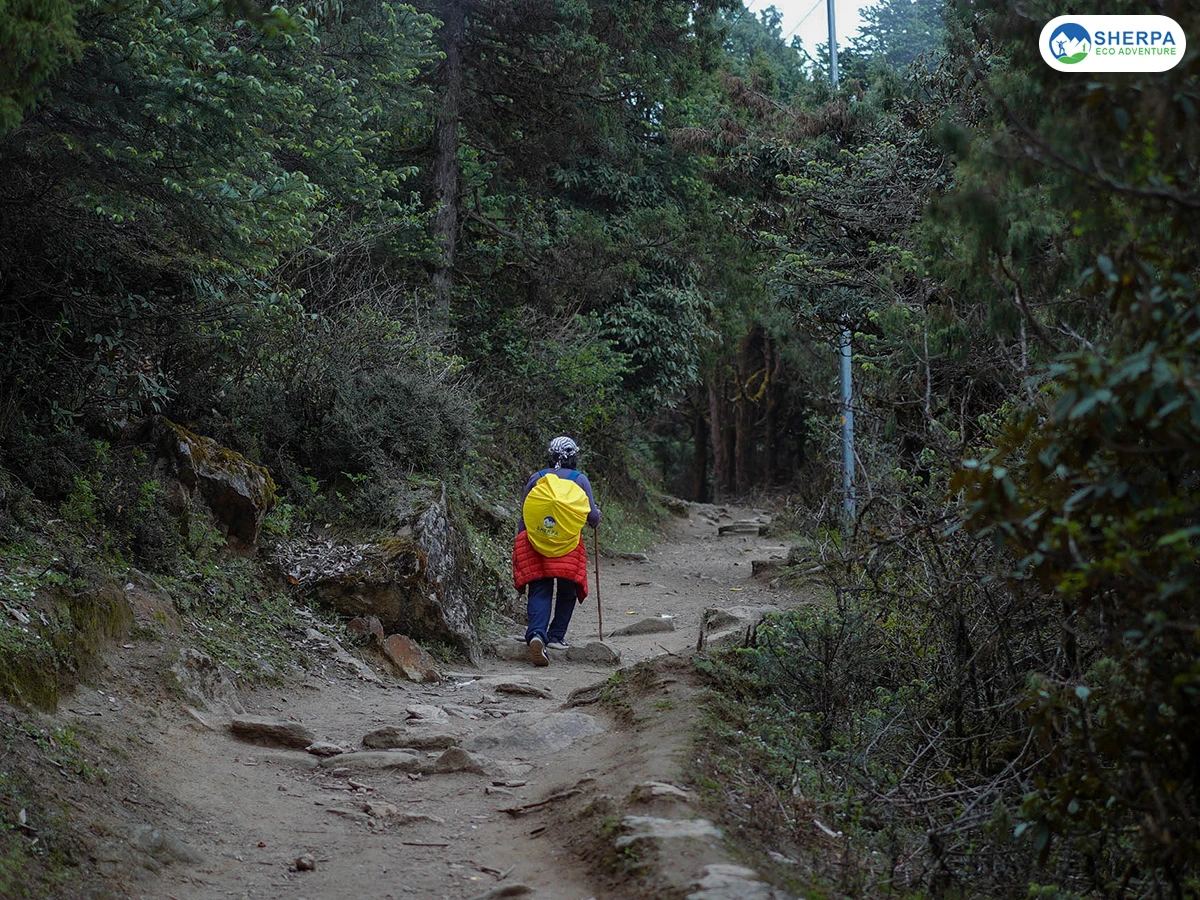
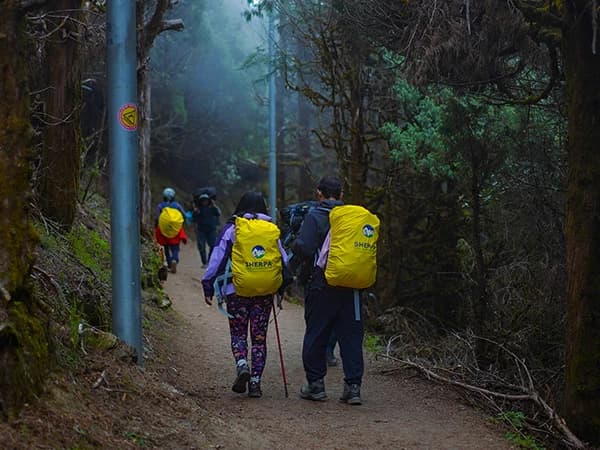
Today marks your first day on the trail. The trek starts with a gentle climb through pine, oak, and rhododendron forests. The well marked path leads you along terraced slopes and small Tamang settlements, offering occasional glimpses of the Langtang range on a clear day. As you ascend, the forests become denser and cooler. Around midway, you'll reach Deurali, a perfect spot for lunch and rest.

Continuing uphill, the trail eventually opens into Chandanbari which is also known as Sing Gompa. This peaceful village houses a monastery and a local yak cheese factory, both worth visiting. The cheese here is popular among trekkers for its freshness and taste. Spend the evening enjoying the tranquility and observing the unique mountain lifestyle.

Max Altitude:3330 meters Meal:Breakfast, Lunch & DinnerAccommodation:Tea HouseDistance:9.5 kilometers | 5.9 milesDuration:5–6 Hours

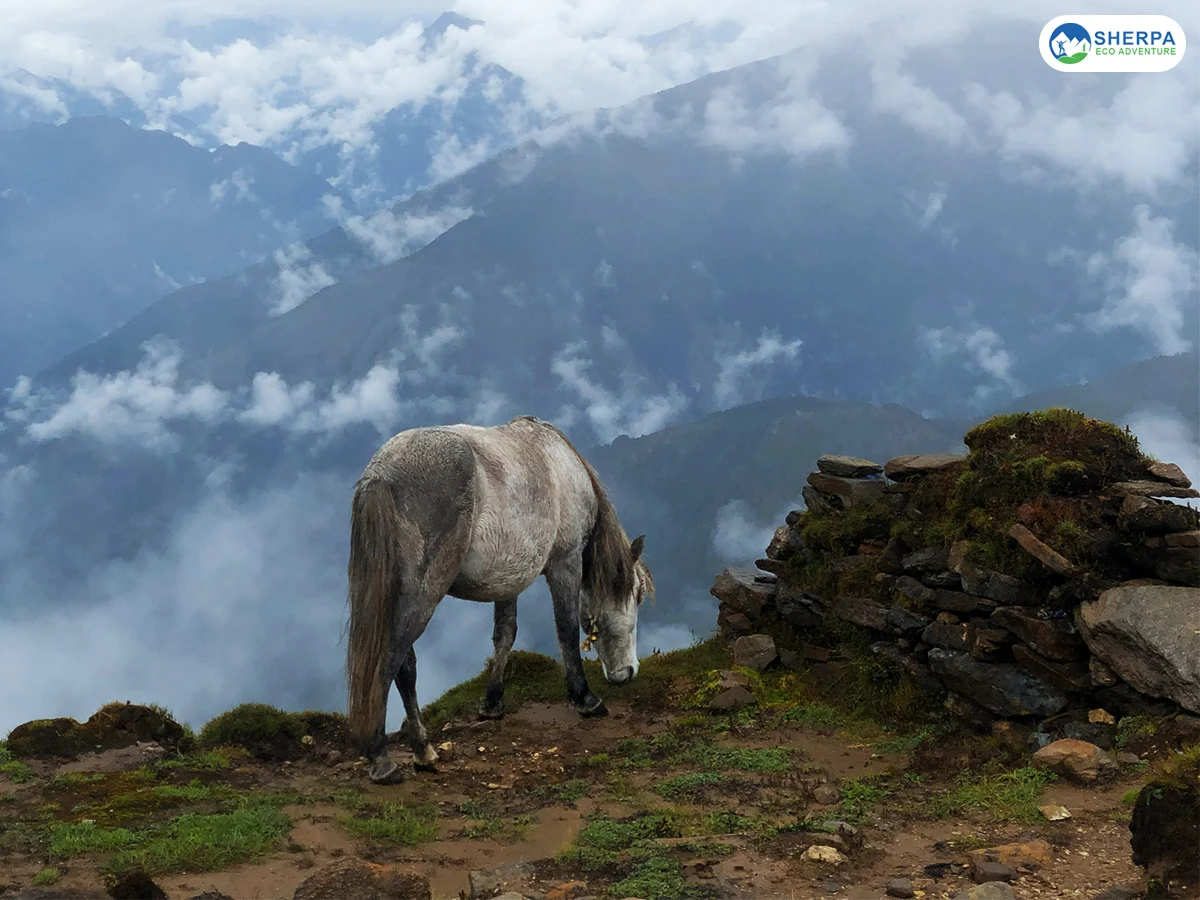
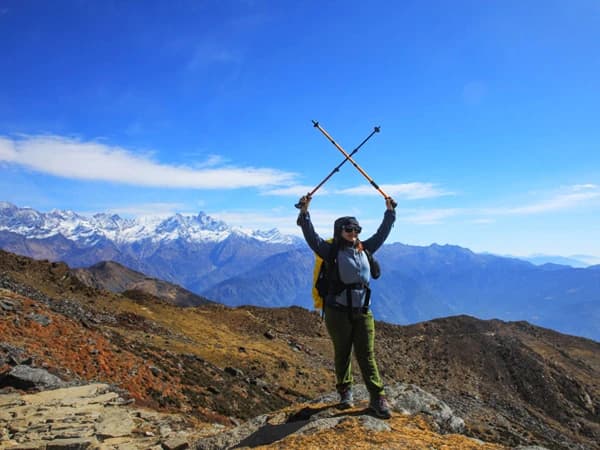
Today’s trek is the most spiritually and visually captivating section of your journey. You’ll start with a gradual ascent through alpine forests, which soon give way to rugged terrain and open hillsides. As you climb, the tree line fades and majestic views of Langtang Himal, Ganesh Himal, and even the Annapurna range to the west start to dominate the skyline.

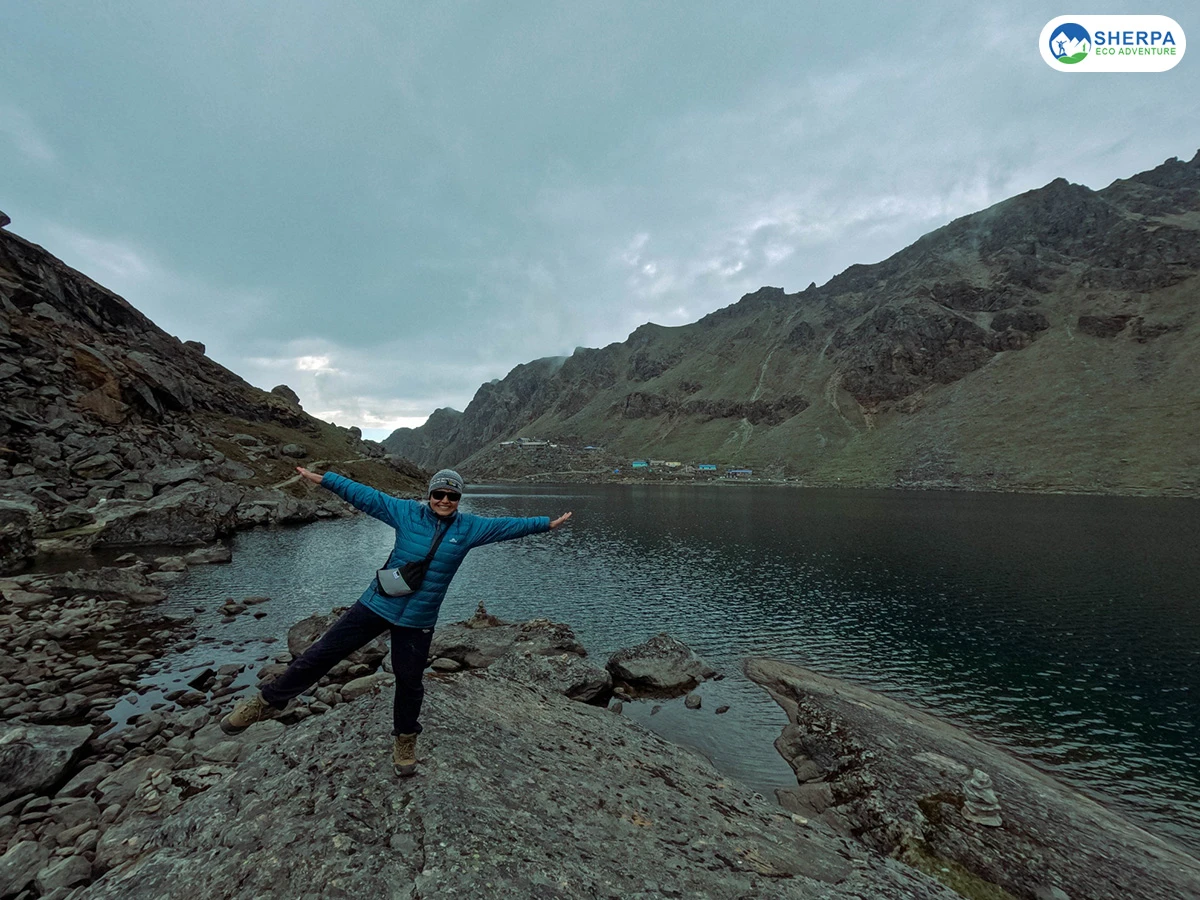
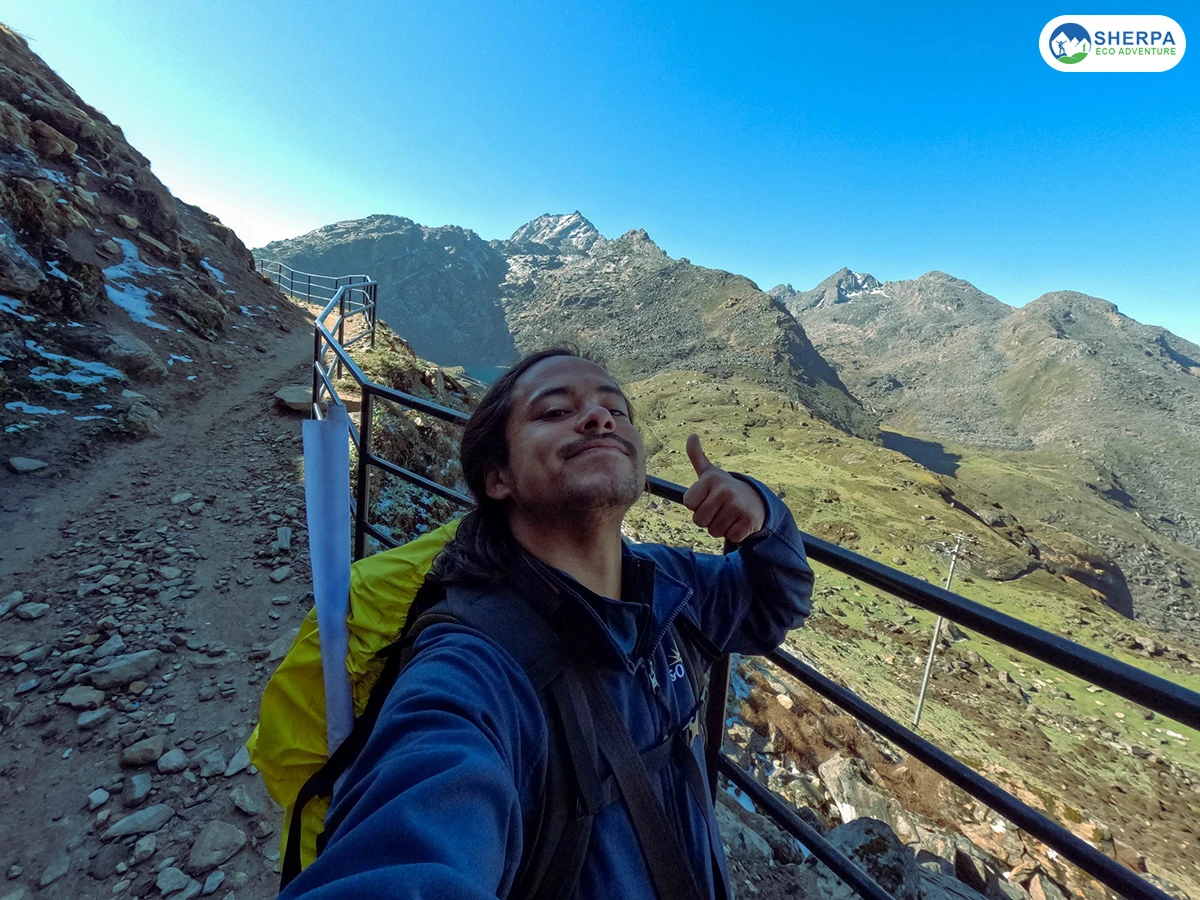
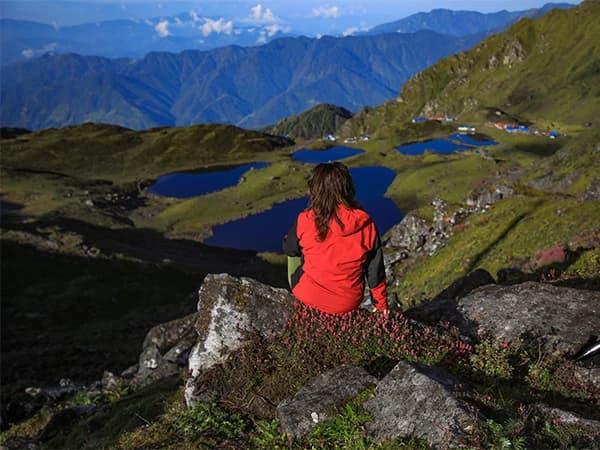
Just before reaching the sacred lakes, you'll pass Lauribina Yak which is also viewpoint known for spectacular panoramas. The trail becomes steeper and more rocky as you approach Gosaikunda. Along the way, you’ll see several smaller lakes, including Saraswati Kunda and Bhairav Kunda, before arriving at the emerald blue Gosaikunda Lake itself that is revered by both Hindus and Buddhists.

Legends say Lord Shiva created the lake by striking his trident into the mountain to quench his thirst. Spend your evening exploring the lake shores, soaking in the spiritual atmosphere, and watching the reflection of snow capped peaks in the crystal clear water. Overnight at a guesthouse with views of the lake.

Max Altitude:4380 meters Meal:Breakfast, Lunch & DinnerAccommodation:Tea HouseDistance:9 kilometers | 5.6 milesDuration:5–6 Hours

Today, we hike to the sacred Suryakunda Lake, a serene alpine tarn revered by locals and pilgrims alike. The trail takes us through rugged paths, open meadows, and scattered rock formations, offering panoramic views of the Ganesh Himal and Langtang ranges. At Suryakunda, the crystal-clear lake reflects the surrounding peaks, and the peaceful atmosphere provides a perfect moment for reflection and photography.

After exploring the lake and soaking in the spiritual and natural beauty of the area, we retrace our steps downhill to Cholangpati, a scenic village nestled among alpine pastures. Along the way, we pass grazing yaks, mani walls, and fluttering prayer flags, giving a true glimpse of rural Himalayan life. Upon arrival, relax and enjoy the cozy guest house while savoring a warm dinner and recounting the day’s highlights.

Max Altitude:4610 meters (Suryakunda) | 3660 meters (Cholangpati) Meal:Breakfast, Lunch & DinnerAccommodation:Guest HouseDistance:10 kilometers | 6.2 milesDuration:5–6 Hours

After breakfast at Cholangpati, we begin our descent toward Dhunche, retracing the trail through lush rhododendron forests, terraced fields, and small villages. The path gradually winds down the hillsides, offering stunning views of the surrounding peaks and the Langtang valley below.

Along the way, we pass local settlements and suspension bridges spanning crystal clear streams, providing glimpses into the daily life of the Himalayan communities. The descent is refreshing after the high-altitude trek, and the changing landscape from alpine meadows to subtropical forests that adds variety to the journey. Upon arrival in Dhunche, check in at your guest house and enjoy a warm meal, celebrating the successful completion of the trek.

Max Altitude:1960 meters Meal:Breakfast, Lunch & DinnerAccommodation:Guest HouseDistance:16 kilometers | 10 milesDuration:6–7 hours

After breakfast, drive back to Kathmandu via the same picturesque highway. It’s a relaxing return through Nepal’s countryside, giving you time to process your experiences and take in any missed scenery. Once in Kathmandu, check back into your hotel and enjoy some free time for last minute shopping in Thamel or relaxing in a café.

In the evening, celebrate your successful trek with a farewell dinner hosted by Sherpa Eco Adventure. Enjoy delicious Nepali cuisine, share stories with fellow trekkers, and receive a personalized certificate of completion from your guide.

Max Altitude:1324 meters Meal:Breakfast, lunch,& Farewell DinnerAccommodation:HotelDistance:117 kilometers | 72.7 milesDuration:6–7 Hours

Our team will provide transportation to Tribhuvan International Airport. Ensure you're prepared according to your flight schedule. We trust you enjoyed your trekking experience with us in Nepal.

Customize Trip
Trip Service Details
Included
  • Airport pickup and drop off services are available.
  • Providing comprehensive meal coverage, including breakfast, lunch, and dinner, on a full board basis throughout the Gosaikunda Trek.
  • Sherpa Eco Adventure’s proficient, government-certified, English-speaking trekking Sherpa guides.
  • Remuneration for the guide, encompassing salary, meals, beverages, accommodation, transportation, and insurance.
  • Two nights of accommodation in a three-star hotel in Kathmandu with breakfast included (B/B).
  • All required documents, such as the Lantang National Park Area Permit  and TIMS card (Trekking Information Management System).
  • Accommodation during the trek in the mountain.
  • Assistant guide for Group 5 or Above
  • A certificate of appreciation was awarded upon the successful completion of the trek.
  • Farewell dinner at a typical Nepali restaurant featuring an authentic Nepali culture show.
  • An oximeter to monitor oxygen and pulse levels is advantageous for all trekkers, helping them stay informed about the risk of high-altitude sickness during mountain treks.
  • A comprehensive first aid kit, which will be carried by the guide throughout the trek,
  •  Emergency rescue operation assistance will be organized, and the expenses will be covered by your travel insurance.
  • All government, Local taxes (VAT), and official expenses
Excluded
  • Nepal entry visa fees (a day tourist visa is available at Kathmandu Airport upon arrival for USD 30).
  • Additional accommodation and meals due to delays may affect the itinerary of this trekking program.
  • A variety of beverages, encompassing both alcoholic and non-alcoholic options, along with hot and cold drinks.
  • Unforeseen expenses beyond our control may arise due to factors such as the landscape, weather conditions, illness, changes in government policies, strikes, physical conditions, and similar variables.
  • Individual expenditures, including snacks, laundry, phone usage, Wi-Fi, hot showers, etc., incurred at tea houses during the trek.
  • The travel insurance must include coverage for emergency rescue evacuations from elevations of up to 6,000 meters.
  • Individual trekking gear is required for this expedition.
  • Tipping and expressing gratitude to guides and staff, as per the recommendation of Nepali culture.
  • Additional expenses are not covered in the Price Inclusive section of this trek.
Dates & Availability
Starts:Mar 02, 2026Ends:Mar 08, 2026
PriceUS$0
AvailabilityGuaranteed
Starts:Mar 06, 2026Ends:Mar 12, 2026
PriceUS$0
AvailabilityGuaranteed
Starts:Mar 09, 2026Ends:Mar 15, 2026
PriceUS$0
AvailabilityGuaranteed
Starts:Mar 12, 2026Ends:Mar 18, 2026
PriceUS$0
AvailabilityGuaranteed
Starts:Mar 17, 2026Ends:Mar 23, 2026
PriceUS$0
AvailabilityGuaranteed
Starts:Mar 19, 2026Ends:Mar 25, 2026
PriceUS$0
AvailabilityGuaranteed
Starts:Mar 23, 2026Ends:Mar 29, 2026
PriceUS$0
AvailabilityGuaranteed
Starts:Mar 25, 2026Ends:Mar 31, 2026
PriceUS$0
AvailabilityGuaranteed
Starts:Mar 27, 2026Ends:Apr 02, 2026
PriceUS$0
AvailabilityGuaranteed
Starts:Mar 30, 2026Ends:Apr 05, 2026
PriceUS$0
AvailabilityGuaranteed

These dates offer the opportunity for group participation. Should you prefer to arrange a trip on your preferred dates, we can tailor the itinerary accordingly. Feel free to contact us for personalized and specialized dates and travel plans.

Additional Info

Gosaikunda Trek difficulty

Trek distance: The Gosaikunda Trek covers a total distance of approximately 40 to 60 kilometers (25 to 37 miles) depending on the starting and ending points (e.g., Dhunche to Gosaikunda or adding the Laurebina Pass extension). Most trekkers complete the journey in 5 to 8 days, walking an average of 8 to 12 kilometers per day. Expect to trek for 5 to 7 hours daily, depending on terrain and altitude acclimatization.

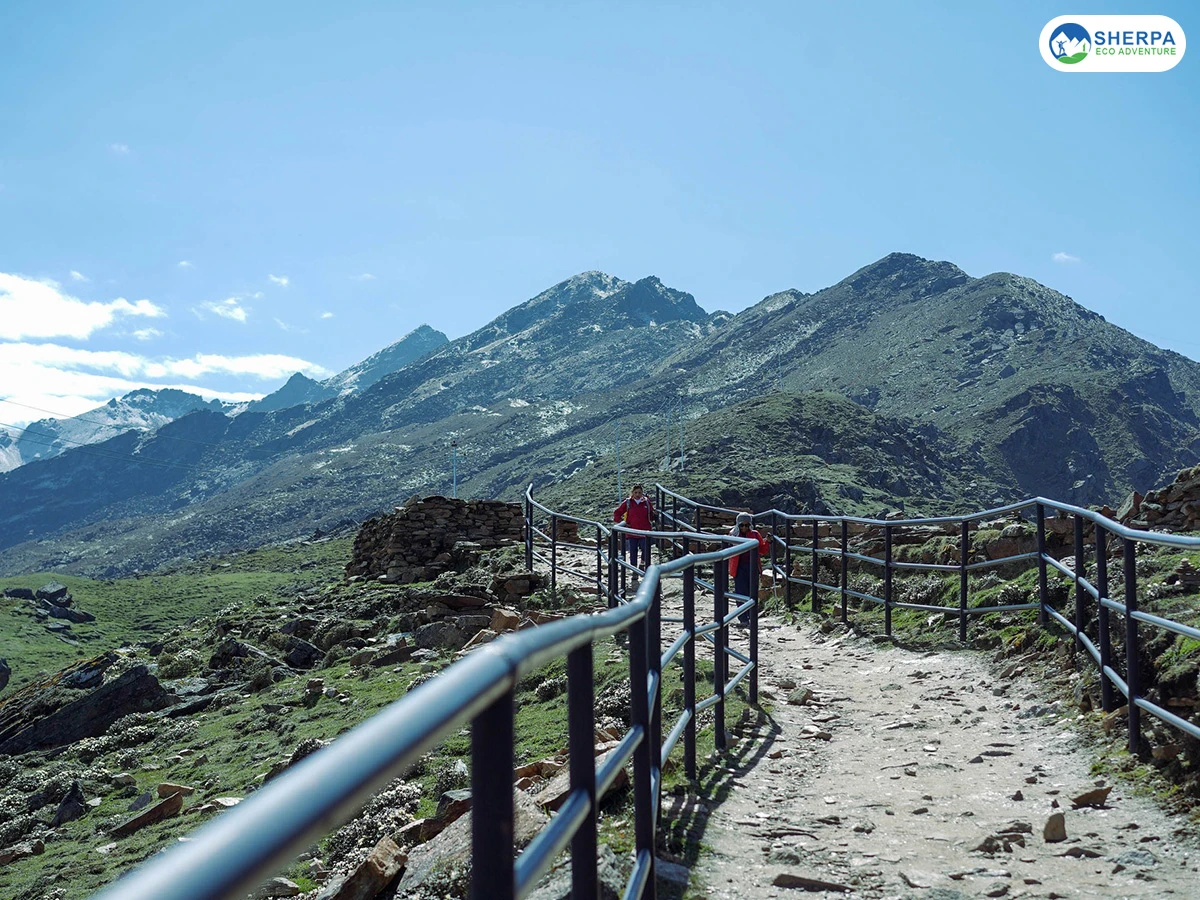
Difficulty level and terrain: The Gosaikunda Trek is rated as moderately difficult, making it accessible to trekkers with average fitness levels. The trail ascends gradually from subtropical forests through rhododendron and pine woods, before reaching alpine landscapes and eventually the sacred high altitude lake. You'll encounter steep uphill climbs, especially from Lauribina to Gosaikunda, with several stone steps and switchbacks along the way. While technical mountaineering skills aren't required, the steepness, high elevation, and weather variability can challenge beginners.

Altitude sickness: One of the key challenges of the Gosaikunda trek is altitude. The trail reaches its highest point at Gosaikunda Lake (4,380 meters / 14,370 feet), which makes altitude sickness a real concern. Trekkers may experience symptoms like headaches, nausea, dizziness, fatigue, or trouble sleeping if they ascend too quickly or fail to acclimatize.

Preventive measures: To avoid altitude sickness during your trekking adventure, ensure you stay hydrated by drinking ample water and steer clear of alcohol and smoking. Prioritize acclimatization by adhering to the suggested schedule, and promptly communicate any discomfort to your guide for optimal safety. For more detailed guidance on altitude related precautions, visit our website for expert tips and advice.

Previous trekking experience: No prior trekking experience is mandatory for the Gosaikunda Trek. That said, it helps to have done high altitude hikes before. Even as a first time trekker, you can complete this trek successfully with proper guidance, a reliable itinerary, and supportive gear. If you’re new to trekking, we recommend joining a guided trip to maximize safety and comfort.

Trek preparation: Before starting your Gosaikunda trek, make sure you're in good physical shape. Engage in consistent cardiovascular workouts and focus on building leg strength to prepare. Additionally, ensure you have the right gear for diverse weather conditions by selecting layers suitable for chilly nights and sunny days. Familiarize yourself with local traditions and culture to enhance your interactions with the indigenous communities you encounter during your journey. For more information and tips, visit a reliable trekking website.

The best time to do the Gosaikunda trek in Nepal

Spring (March–May): The forests bloom with rhododendrons and other alpine flowers, and the weather is mild with clear mountain views.

Autumn (September–November): Post monsoon skies are crystal clear, offering stunning views of the Himalayas. This is the most popular time for the trek.

Gosaikunda Janai Purnima Festival (August): Thousands of Hindu and Buddhist pilgrims hike to the lake during the full moon festival. It's crowded but culturally rich.

Monsoon (June–August): Not recommended due to leeches, landslides, and muddy trails.

Winter (December–February):  Trekking is possible, but expect snow and freezing temperatures. The lake often freezes, creating a mystical winter landscape. Proper gear and experience are necessary.

Accommodation and Meals

Rooms and washrooms: Lodging options along the Gosaikunda trek consist primarily of simple teahouses and lodges. These establishments typically feature compact rooms equipped with twin beds and fresh linens. While certain locations may provide private bathrooms, many have communal facilities. Single rooms are available in certain locations for those who prefer seclusion. Given the absence of room heating, it's advisable to bring along a sleeping bag for warmth.

Hot showers: Hot showers can be found in select tea houses and lodges, but their availability isn't consistent. At lower altitudes, you are more likely to find hot showers, while at higher elevations, they may be limited or unavailable. Additionally, there may be extra charges for hot shower facilities. It's advisable to bring body wipes to ensure you stay refreshed.

Charging: You can recharge your gadgets, like phones and cameras,  at many lodges and tea houses along the Gosaikunda trail route. It's advisable to bring along a power bank as a precaution, particularly during power interruptions or when charging options are scarce.

WiFi: WiFi is accessible in certain areas during the trek, especially in lower altitudes and major villages such as Dhunche. Yet, the speed and reliability of the connection can be inconsistent and may incur additional charges. Consider obtaining a SIM card for tourists in Nepal for data usage during your trek, as network coverage is unavailable throughout the trekking route.

Breakfast: Breakfast selections commonly feature tea or coffee paired with options such as toast, sandwiches, Tibetan bread, pancakes, porridge, eggs, thukpa, and muesli.

Lunch and dinner: For lunch and dinner, anticipate a diverse menu featuring items such as dal bhat, noodles, pasta, momo, curries, burgers, chapati, chilies, thukpa, thenduk, syakpa, and more. You'll have a wide selection of dishes to enjoy.

Drinking water and beverages: Lodges and tea houses often provide boiled or filtered water for a small fee. In terms of beverages, you can enjoy tea, coffee, soft drinks, and even alcoholic beverages like beer and local spirits at most places. Be aware that prices can increase as you ascend due to the difficulty of transportation to higher altitudes.

Additional Information

Travel insurance: Having adequate travel insurance is essential for embarking on the Gosaikunda trek. Ensure it includes provisions for emergency air evacuation and medical expenses. Given the trek's remote location with limited medical facilities, having comprehensive travel insurance ensures prompt rescue and assistance during unforeseen events or medical emergencies.

Passport and visa: Before traveling to Nepal, ensure your passport remains valid for a minimum of six months from your entry date. Additionally, you have the option to secure a tourist visa either upon landing at Tribhuvan International Airport in Kathmandu or from the Nepalese Embassy or Consulate in your nation. Always review the current visa requirements for Nepal before determining your visa acquisition method.

Money exchange: The currency in Nepal is the Nepalese Rupee (NPR). In Thamel, you'll find banks and currency exchange outlets offering favorable exchange rates. Additionally, ATMs in the area generally accept international cards for cash withdrawals. It's important to keep in mind, though, that the Gosaikunda route is devoid of ATMs. Therefore, ensure you withdraw sufficient funds in Kathmandu before embarking on your trek.

Tips: In Nepal, it's customary to tip your guides and porters as a gesture of gratitude for their dedication. Although there's no set amount, it's advised to tip based on the quality of service you receive from guides, porters, and lodge personnel.

Luggage: Opt for minimal luggage and utilize the hotel's storage for extra bags during your trek. Ensure your duffel bag remains under 10 kg and your backpack under 5 kg.

Personal expense: While our Gosaikunda trek package covers transportation, accommodation, meals, permits, and expenses of guides and porters as per the itinerary, you still need to budget additional money for personal expenses. These are tips, travel insurance, international flight fares, shopping, extra snacks and beverages, etc. 

FAQs

The Gosaikunda Trek typically takes 5 to 8 days, depending on your pace and starting point. It covers an average distance of 40–60 kilometers (25–37 miles). On trekking days, you’ll walk 5 to 7 hours daily through forested trails, alpine pastures, and high altitude landscapes.

The trek is rated moderate in difficulty. While the trails are non technical and accessible to fit beginners, the high altitude (up to 4,380m) and steep ascents near Lauribina make it physically demanding. Proper acclimatization, a steady pace, and a reasonable level of fitness are key for a successful trek.

Absolutely. Gosaikunda offers a spiritual, scenic, and cultural experience in a short timeframe. The alpine lake itself is stunning and surrounded by snowy peaks and holds deep religious significance for both Hindus and Buddhists. Combined with views of Langtang Himal and local Tamang culture, it’s a trek that balances nature and culture beautifully.

The best times to trek to Gosaikunda are:

  • Spring (March–May): Wildflowers bloom and the views are clear.
  • Autumn (September–November): Post monsoon skies make for stunning mountain vistas.
  • Janai Purnima (Full Moon in August): A famous pilgrimage event with vibrant local participation.
  • Winter (December–February): For those seeking solitude and snow, but it’s cold and the lake may freeze.

Avoid June to early September due to heavy monsoon rain and leech infested trails.


Yes. As of April 1, 2023, solo trekking without a licensed guide is not permitted in the Langtang National Park area, including Gosaikunda. For safety and navigation, especially in remote and high altitude terrain a guide is essential. Sherpa Eco Adventure offers expert guides who ensure your trek is both safe and enriching.

You’ll need the following:

  • Langtang National Park Entry Permit
  • TIMS Card (Trekkers’ Information Management System)

Both can be arranged by Sherpa Eco Adventure before your departure.

You cannot trek in the Gosaikunda area without a guide. From April 1st, 2023, solo trekking is prohibited in Gosaikunda to ensure the safety of international travelers. Individuals wishing to trek alone can either join our scheduled group trips or opt for a personalized trekking experience with us.

The Gosaikunda trek ensures safety at every step. An expert who has years of experience and training in the area will be guiding you. Our dedicated team remains available throughout your journey to handle any challenges or discomforts you might encounter. Additionally, the local community is known for its warm and hospitable nature, ensuring a worry free experience.

Yes, especially from December to February, snow is common above 3,300 meters, particularly near Lauribina and Gosaikunda Lake. The lake often freezes, creating a magical sight. Be prepared with winter gear if trekking during these months.

Yes, since the trek reaches 4,380 meters, there’s a moderate risk of Acute Mountain Sickness (AMS). Symptoms like headache, dizziness, or nausea can occur if proper acclimatization isn’t followed. Our guides are trained to manage altitude related issues and will monitor your condition daily.

Customize Trip
Similar Trips
noimage

Tamang Heritage Trek

panch-pokhari-trek

Panch Pokhari Trek

Popular
Langtang Valley Trek

Langtang Valley Trek

View all packages